Introduction
Design a high definition camera suitable for the aeronautics and aerospace industries. The camera will consist of two sections, connected by cable, to allow for remote imager placement with respect to the readout electronics.
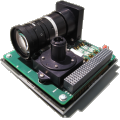
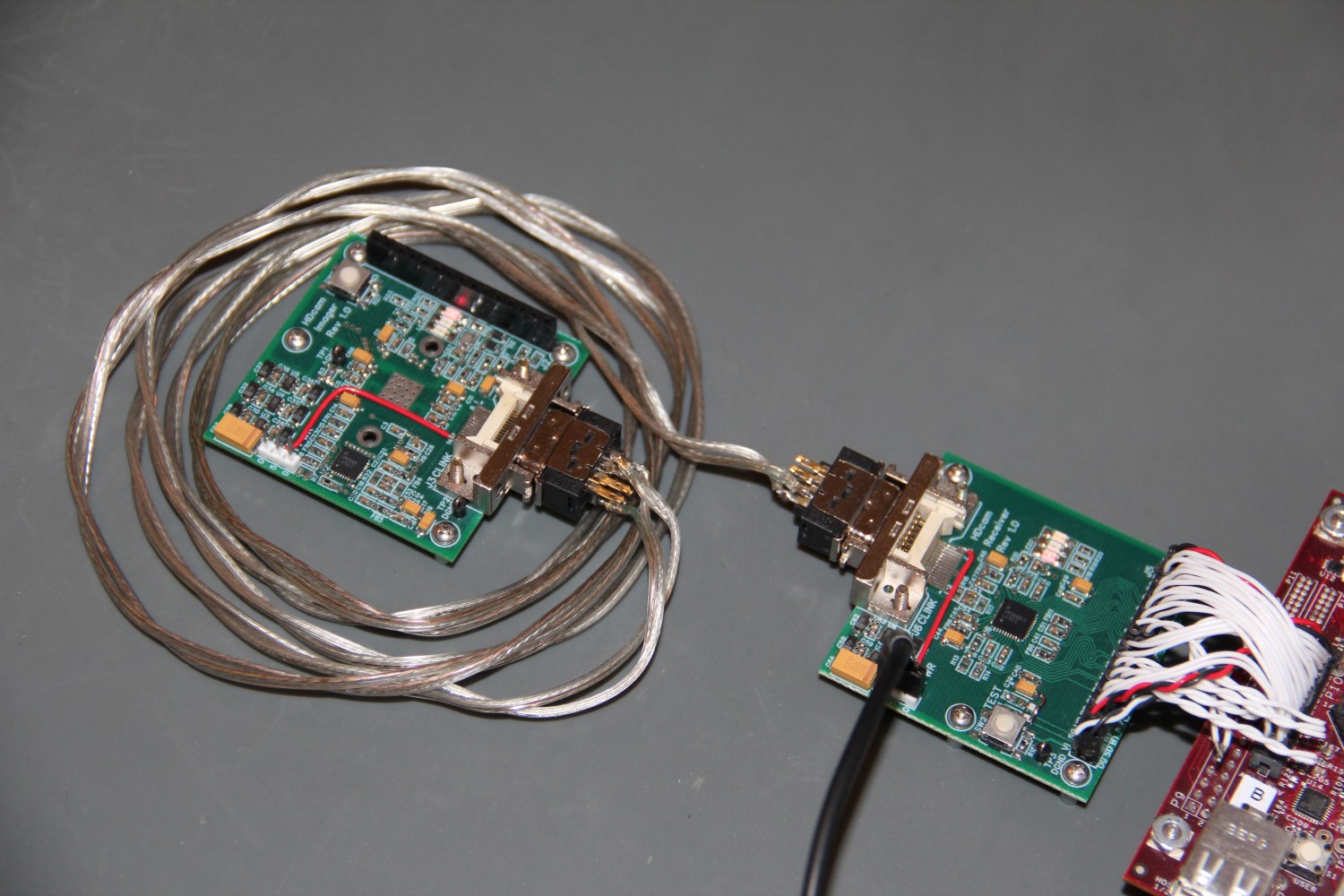
 HDcam Rev 1
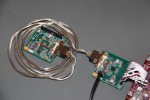
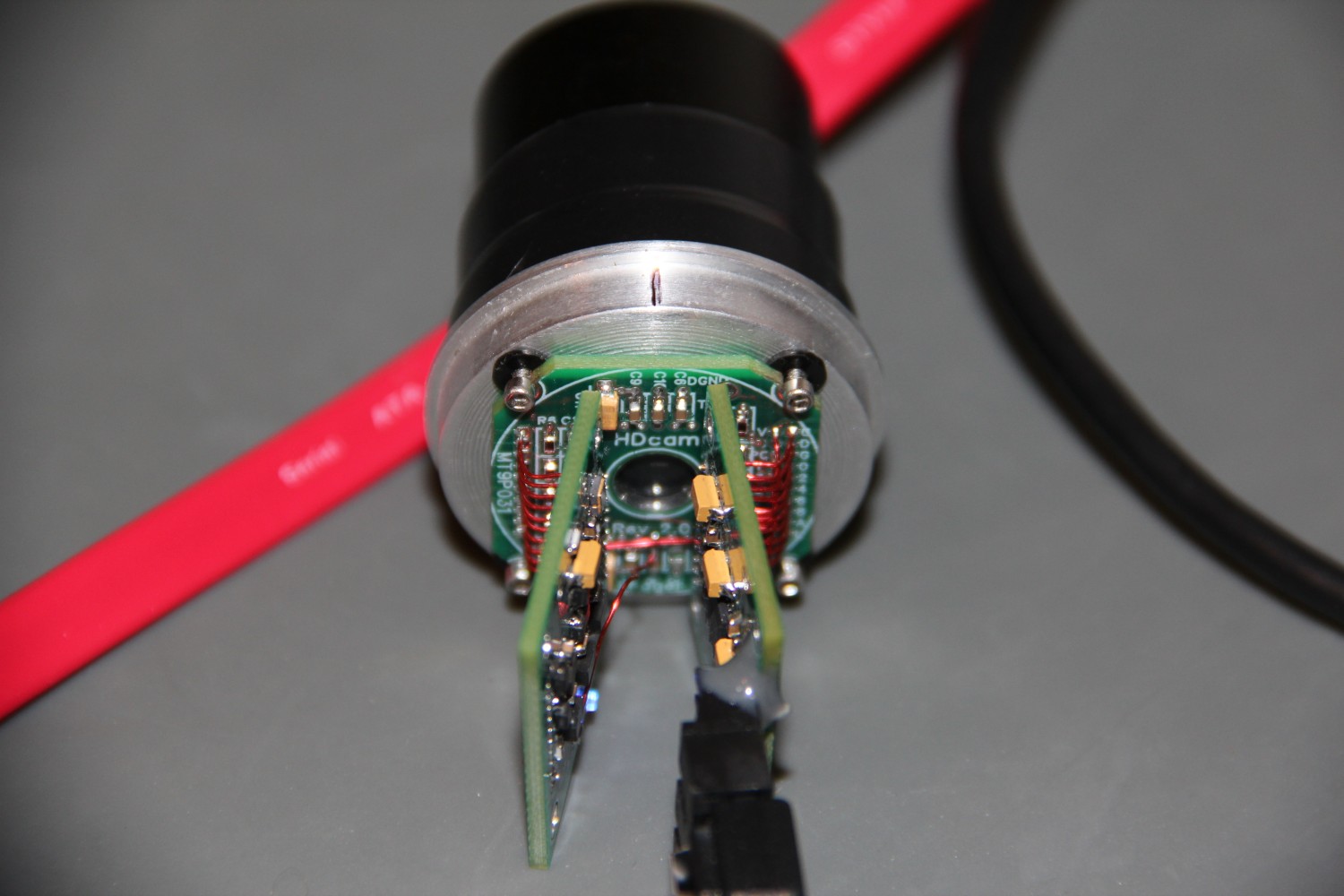
 HDcam Rev 2.0
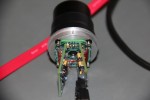
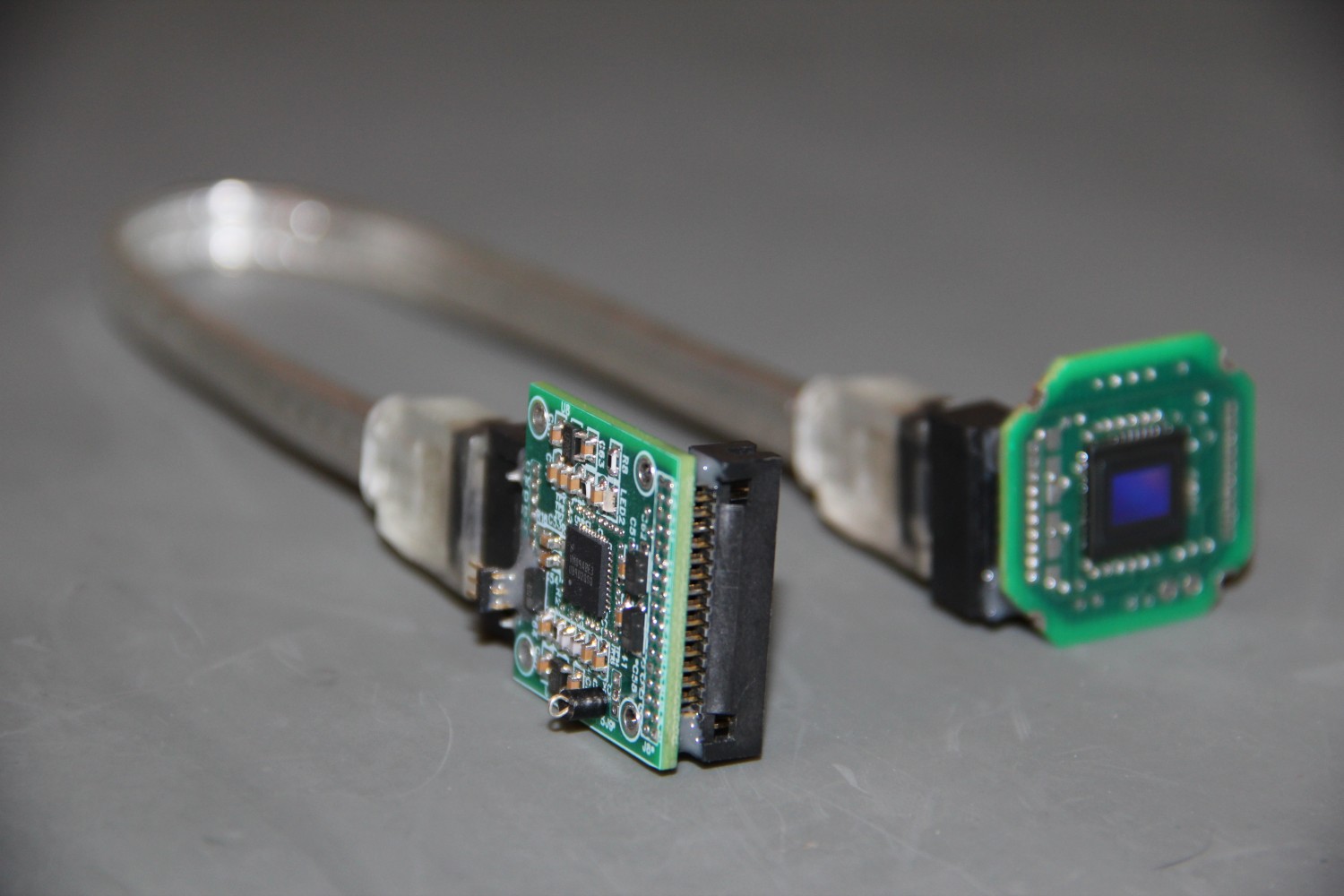
 HDcam Rev 2.1
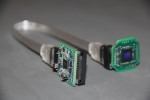
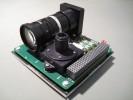 HDcam Rev 3
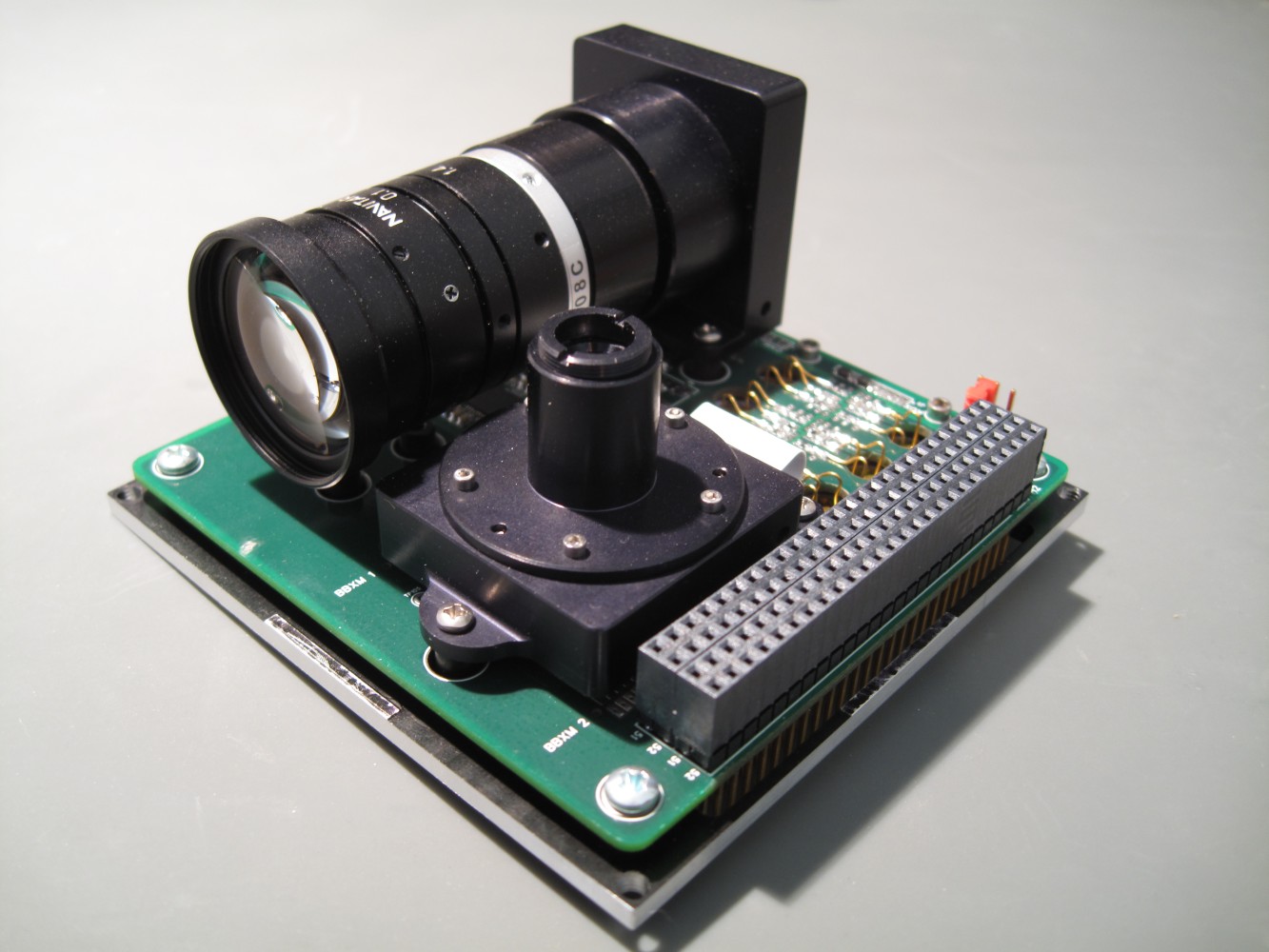
January 2011 - Project Discussions
In January, the Rev 1 schematic design was started, and completed in a week.
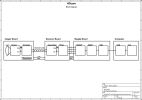 Rev 1.0.0 Diagram
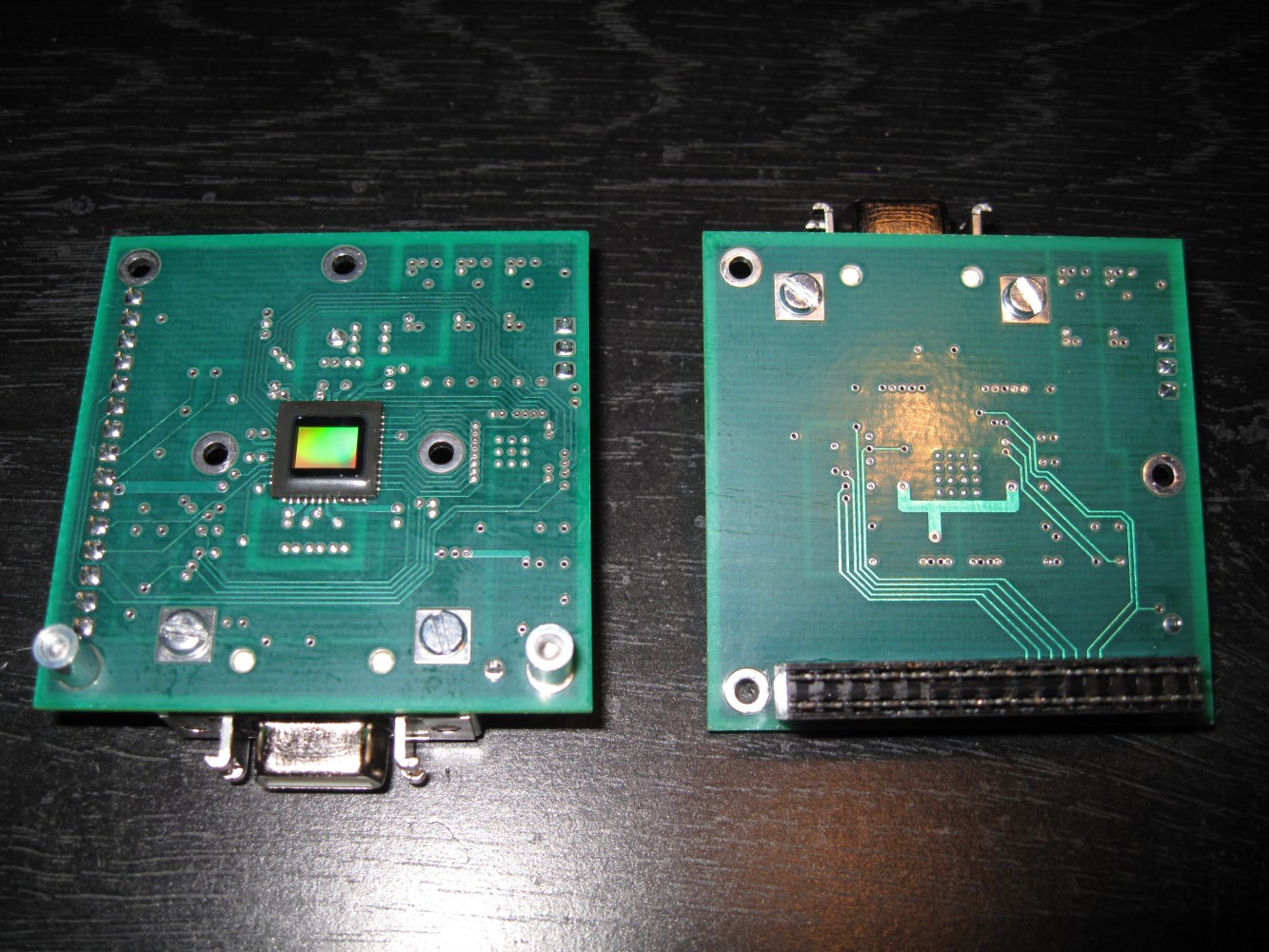
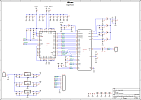 Rev 1.0.0 Imager
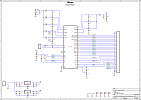 Rev 1.0.0 Receiver
February 2011 - Proposal / Rev 1 Design
In February, the Rev 1 schematic design was updated and the PCB layout finished.
The official proposal was sent to Chuck at the end of the month.
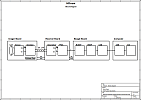 Rev 1.0.2 Diagram
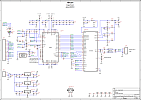 Rev 1.0.2 Imager
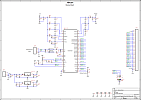 Rev 1.0.2 Receiver
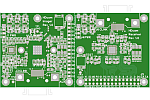 Rev 1.0.2 Layout
March 2011 - Rev 1 Assembly / Testing
In March, the first Rev 1 prototype PCB was assembled and testing began on it.
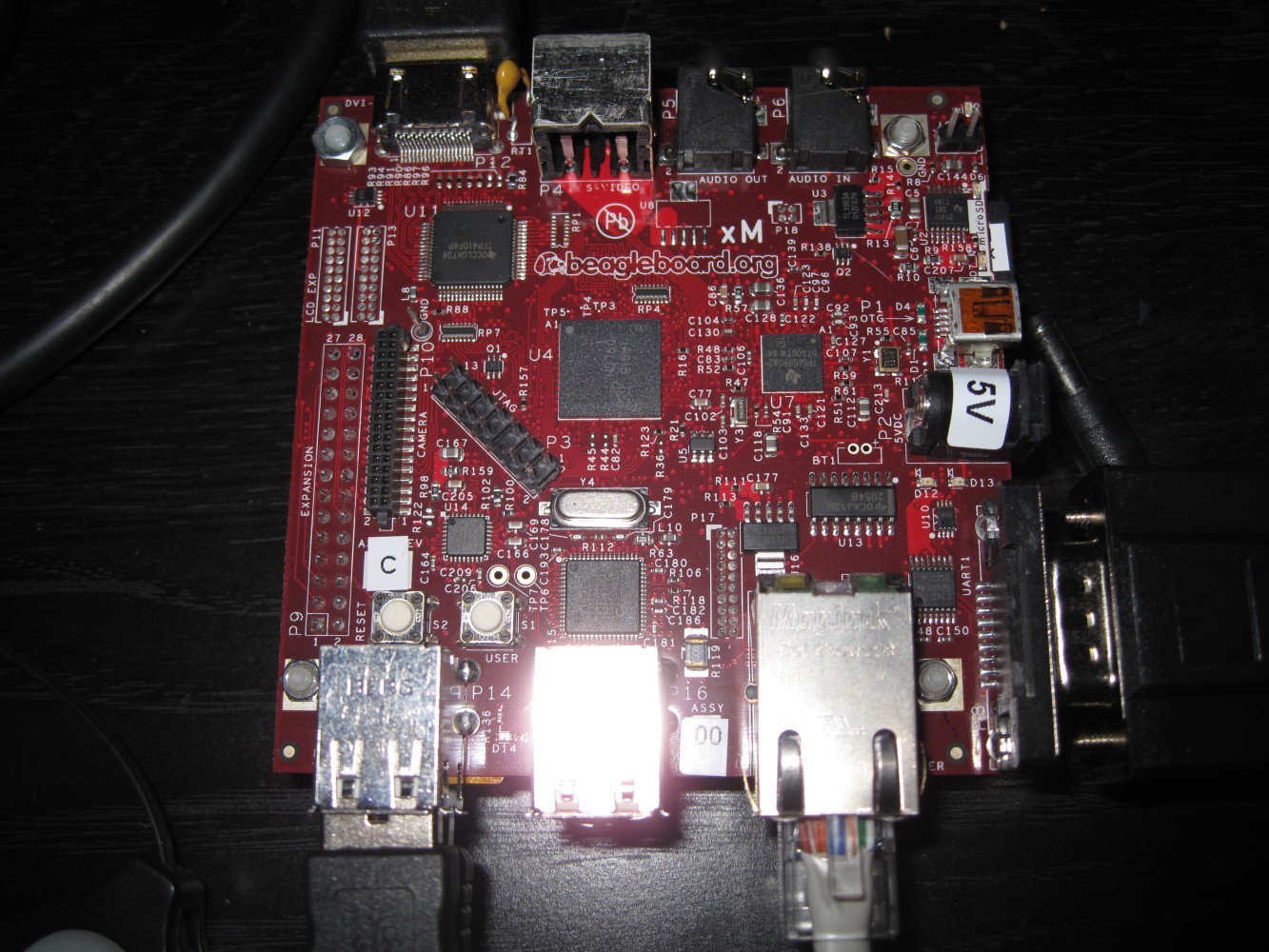
BeagleBoard-xM's were ordered and arrived for evaluation.
 BeagleBoard-xM
April 2011 - BeagleBoard Software / Imager Contact
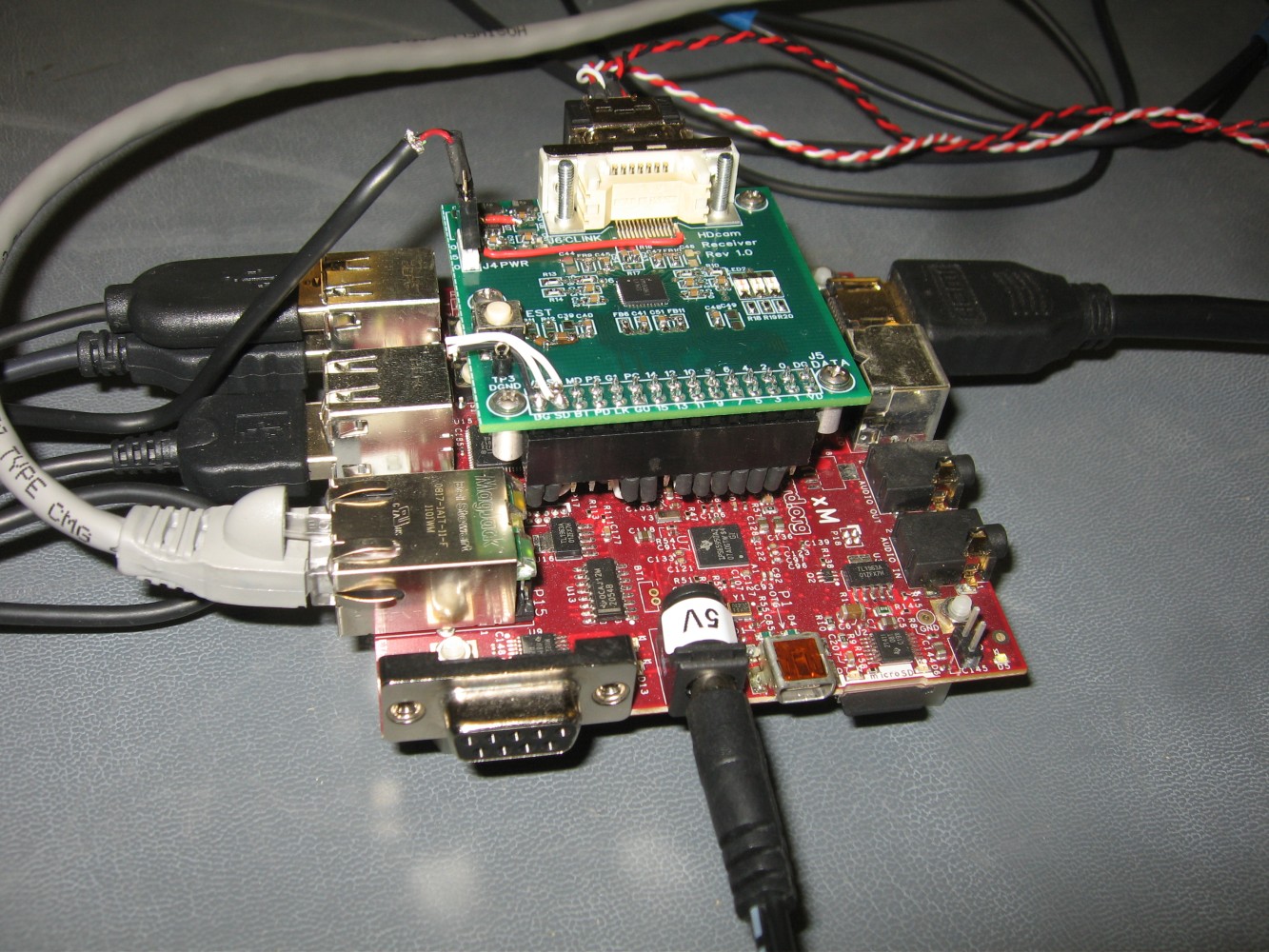
In April, software was installed on the BeagleBoard and Aptina driver was found.
We were successful in probing the I2C bus for devices and reading I2C registers.
The serializer link was complicated to set up correctly and get working.
Necessary information on wakeup was missing from initial serializer datasheet.
Terry started developing SatCam, a Java software interface for the computer user.
Andrew developed i2ctool, a utility for displaying I2C registers in a GUI window.
Mike developed i2c_text, a utility for displaying I2C registers in a text window.
On April 30, we established first contact with the imager and read I2C registers.
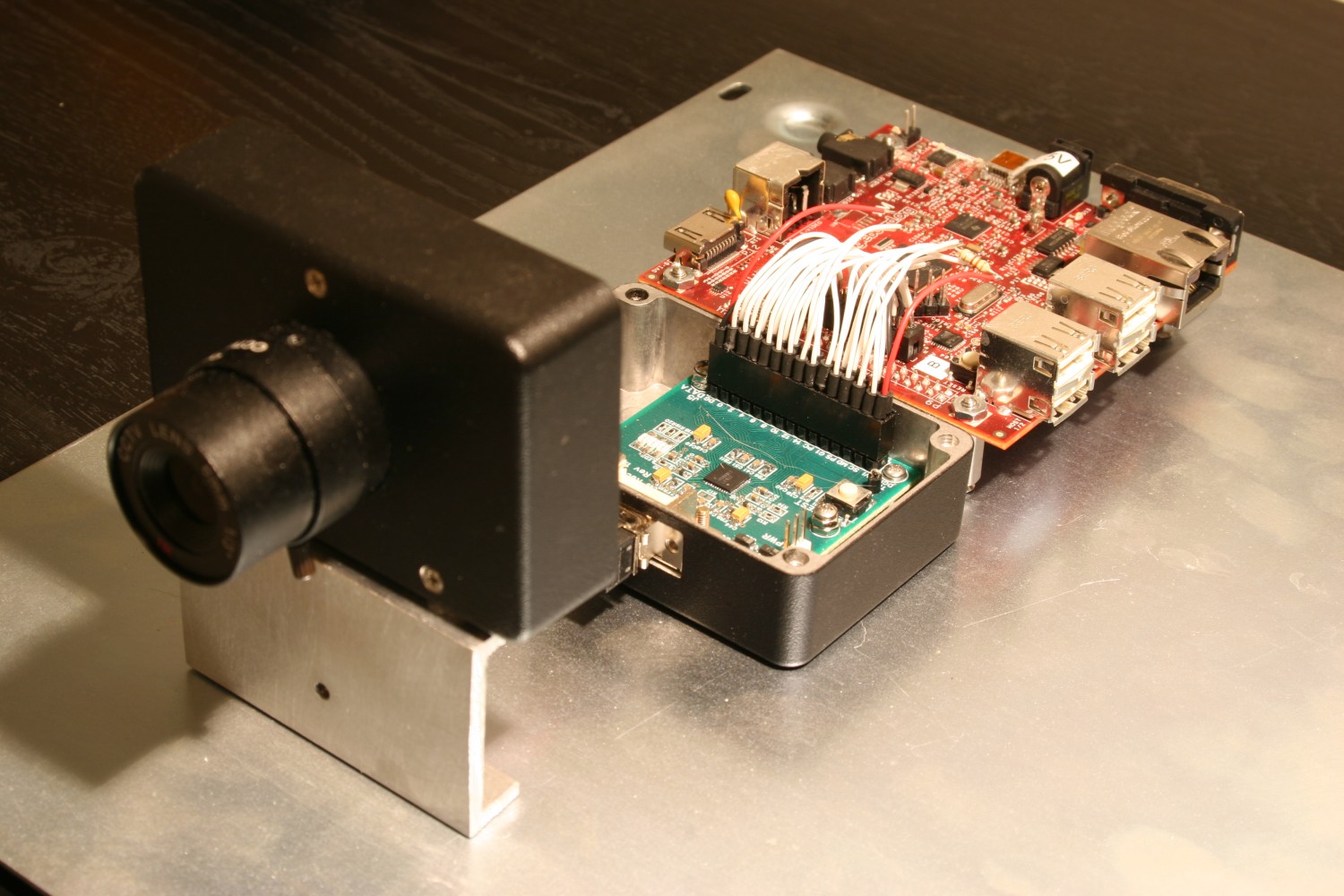
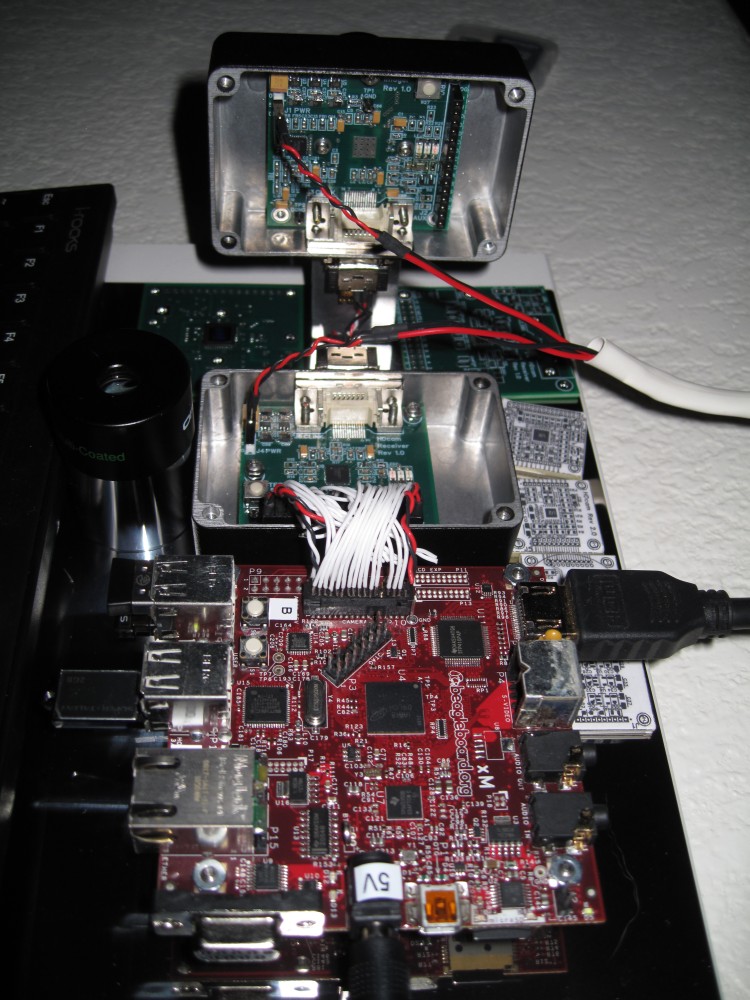
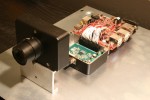 HDcam Prototype Camera
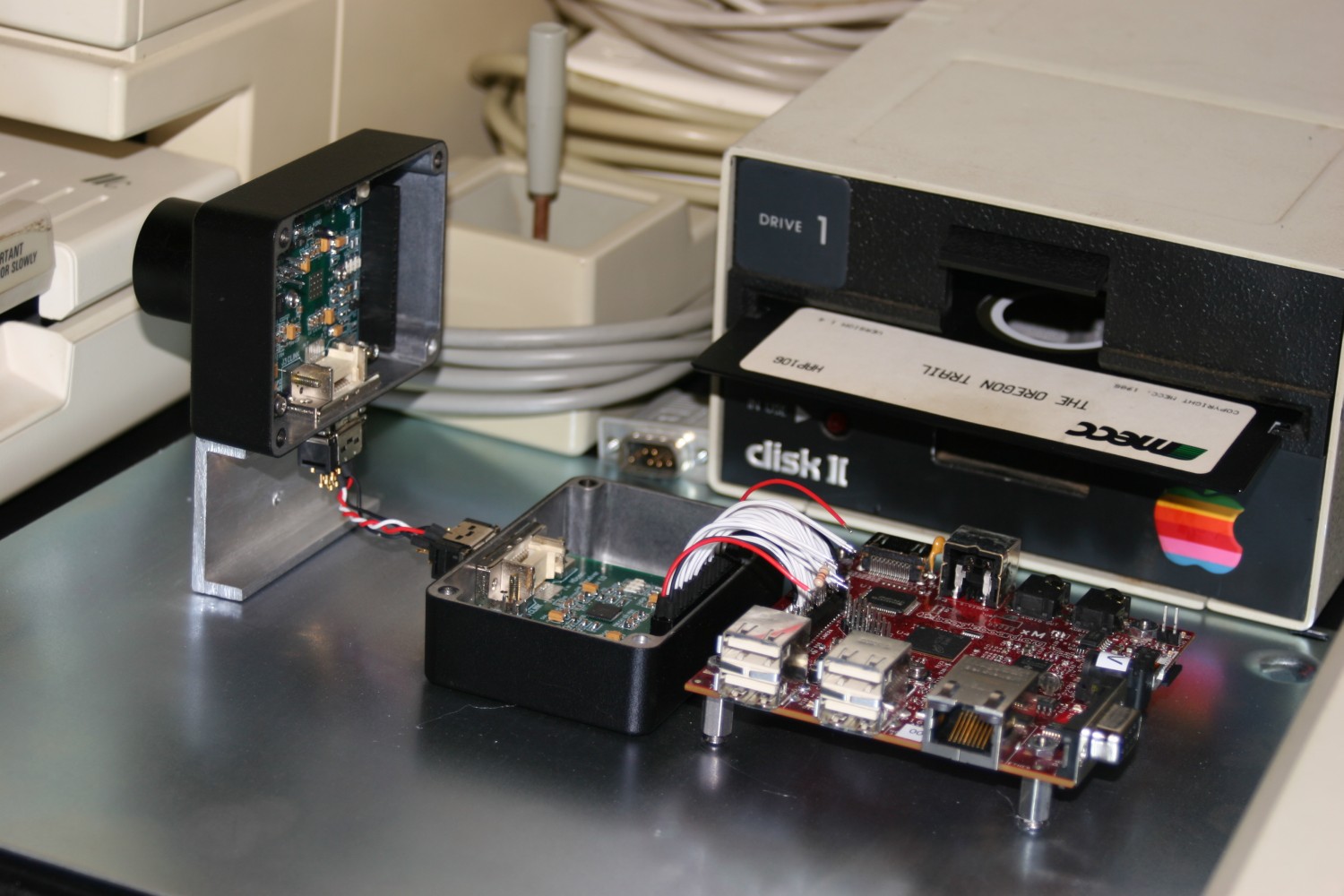
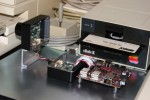 HDcam Prototype by Mass Storage Drive
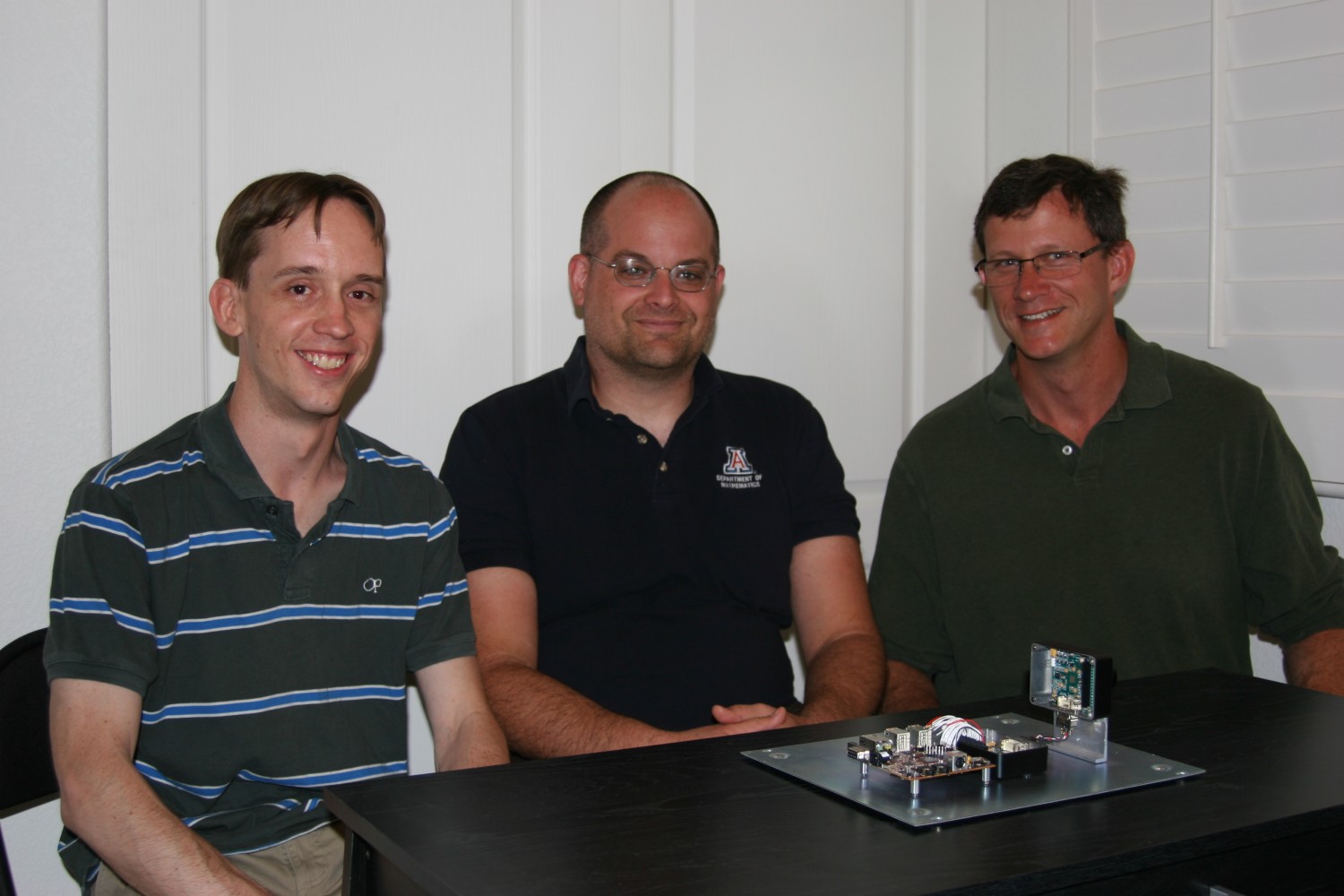
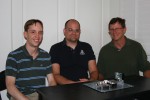 Mike Andrew and Terry by Prototype
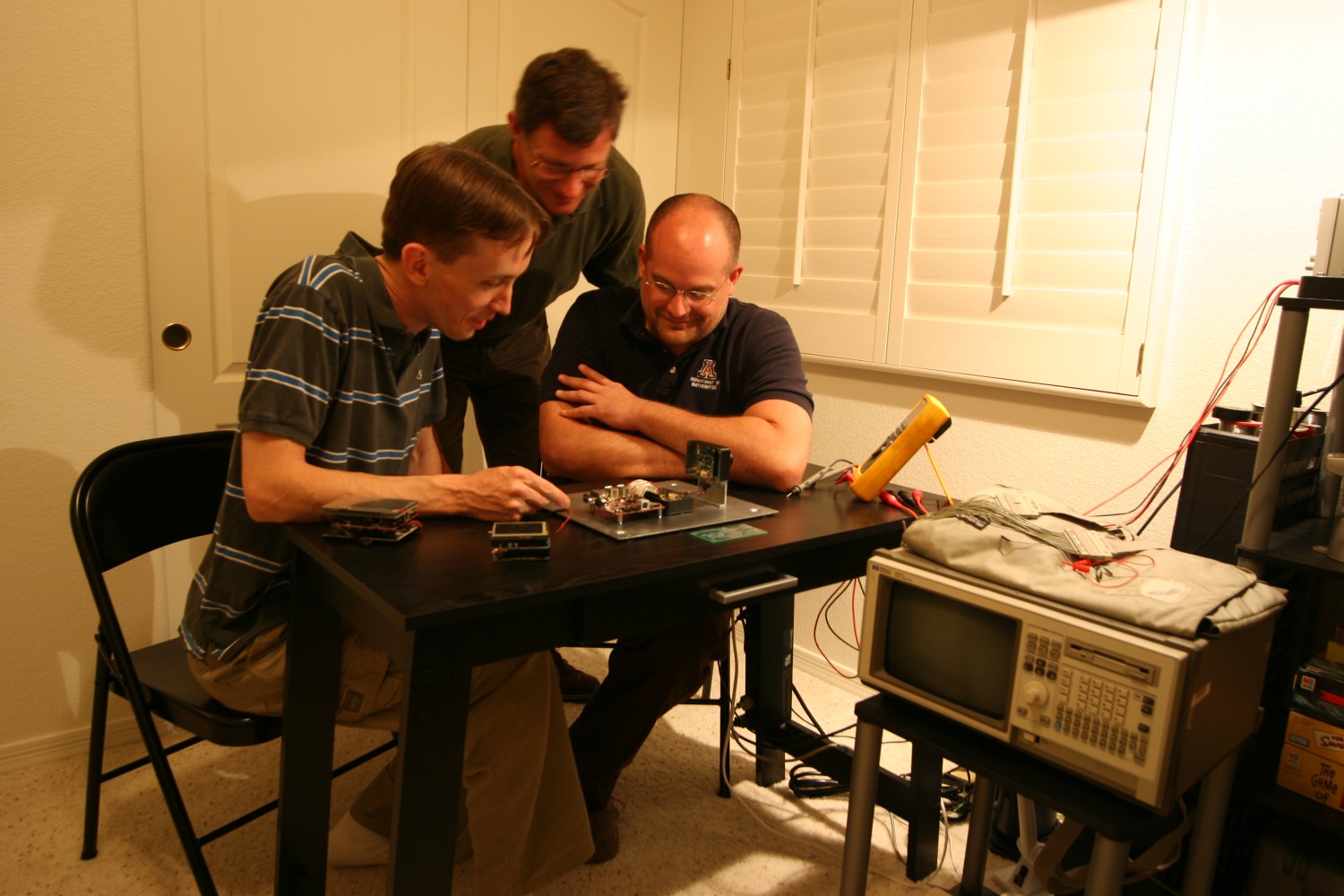
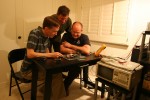 Terry watching over Mike and Andrew
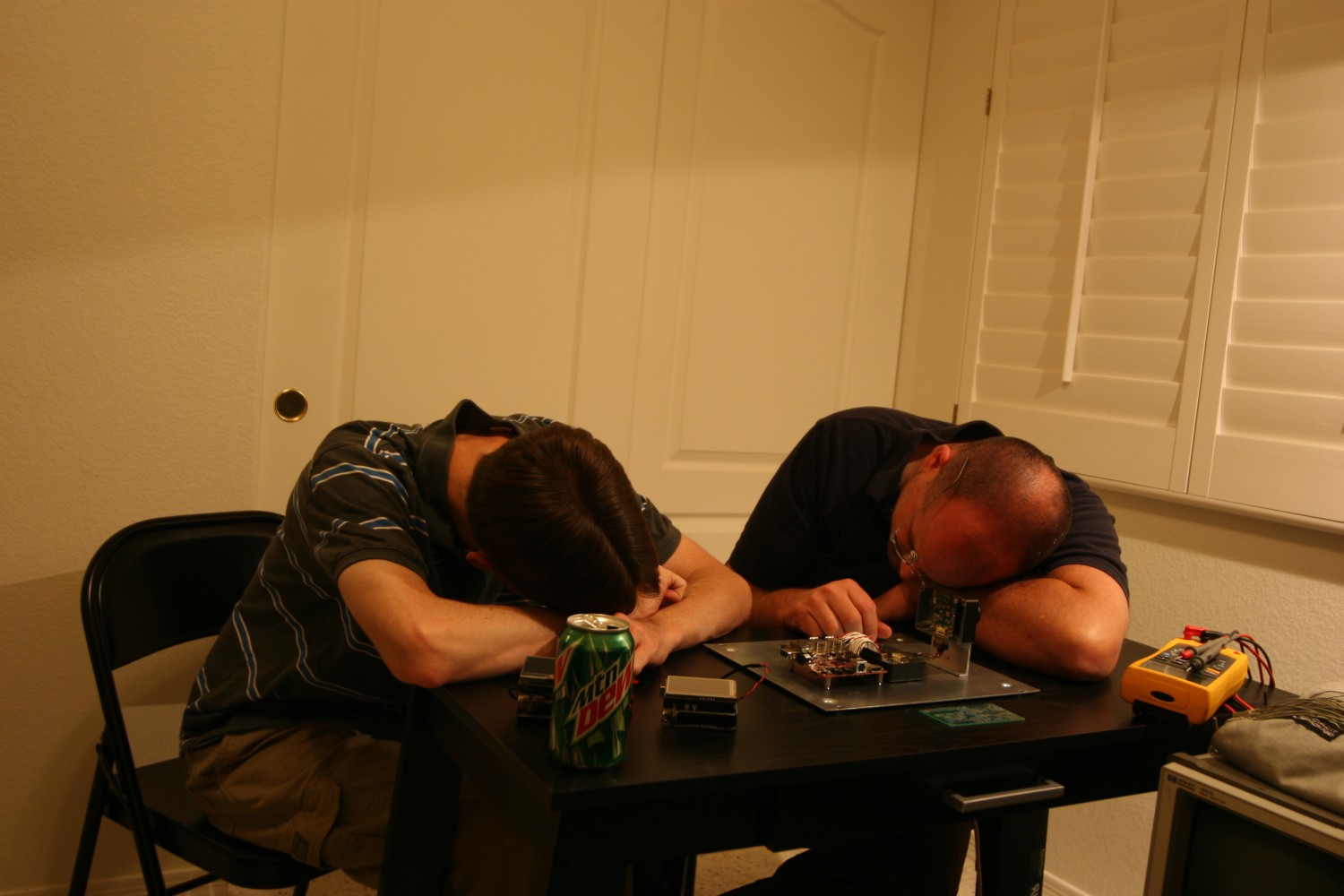
 Mike and Andrew working
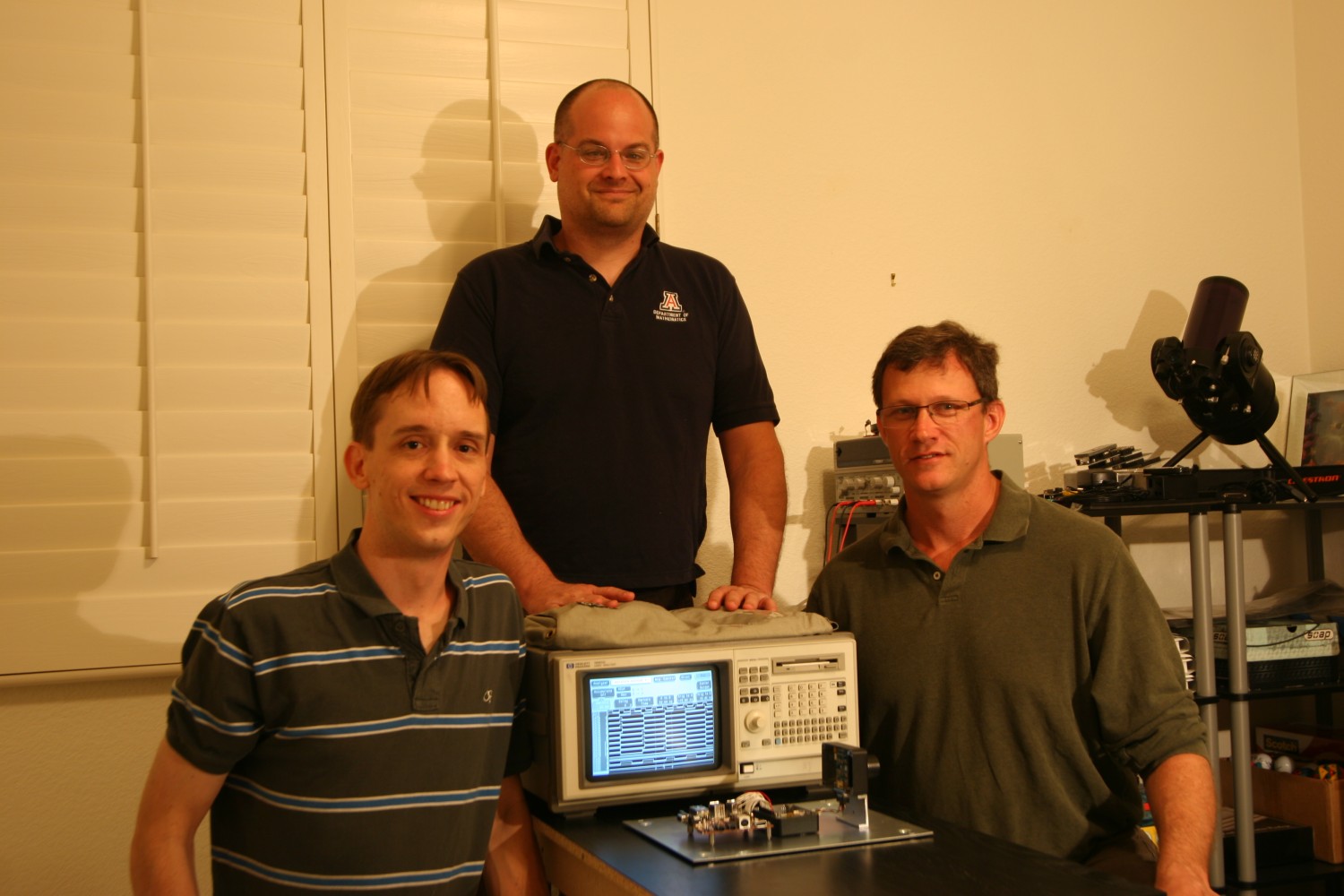
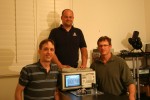 Mike Andrew and Terry by o-scope
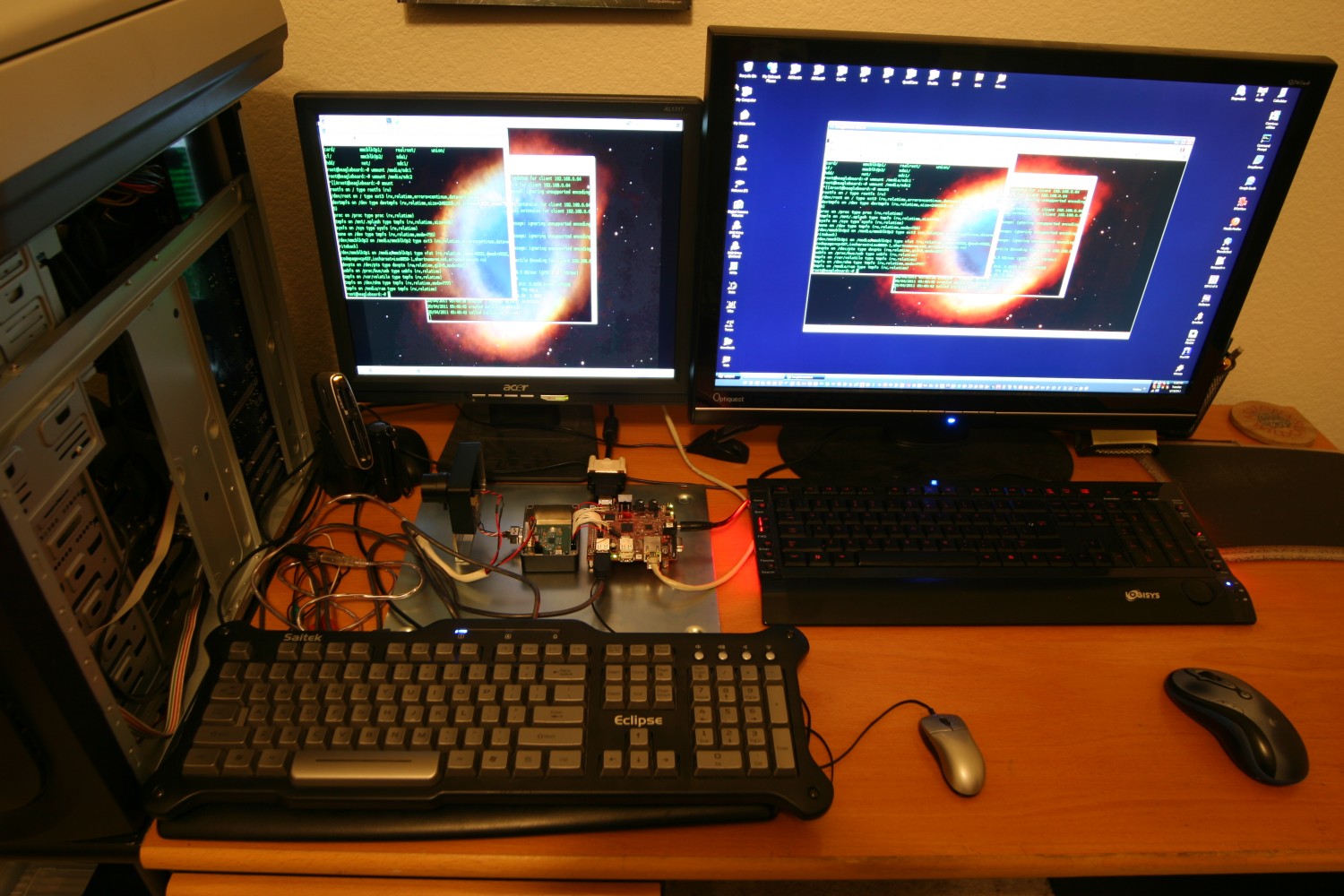
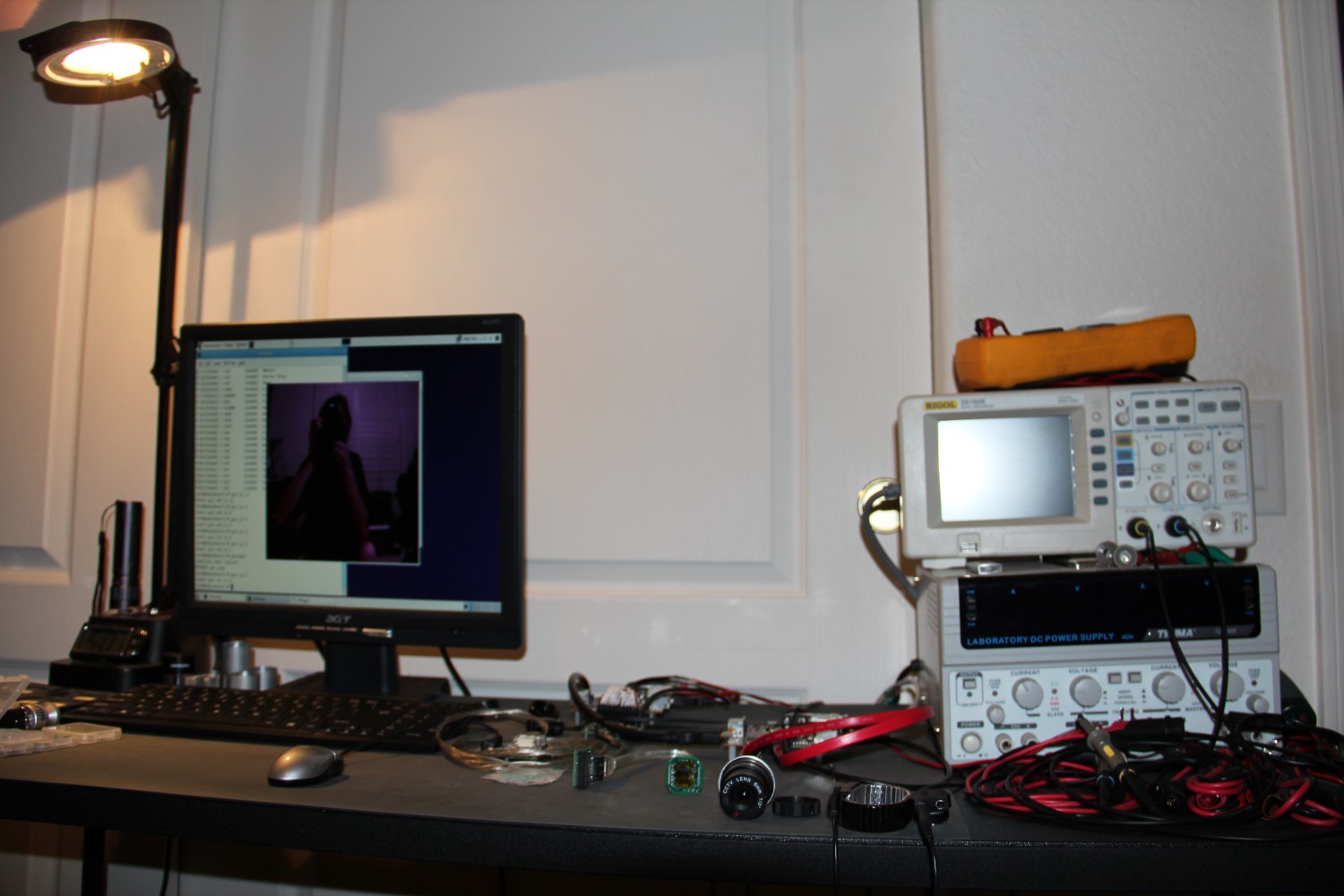
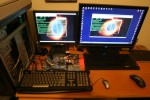 HDcam system on 4/19
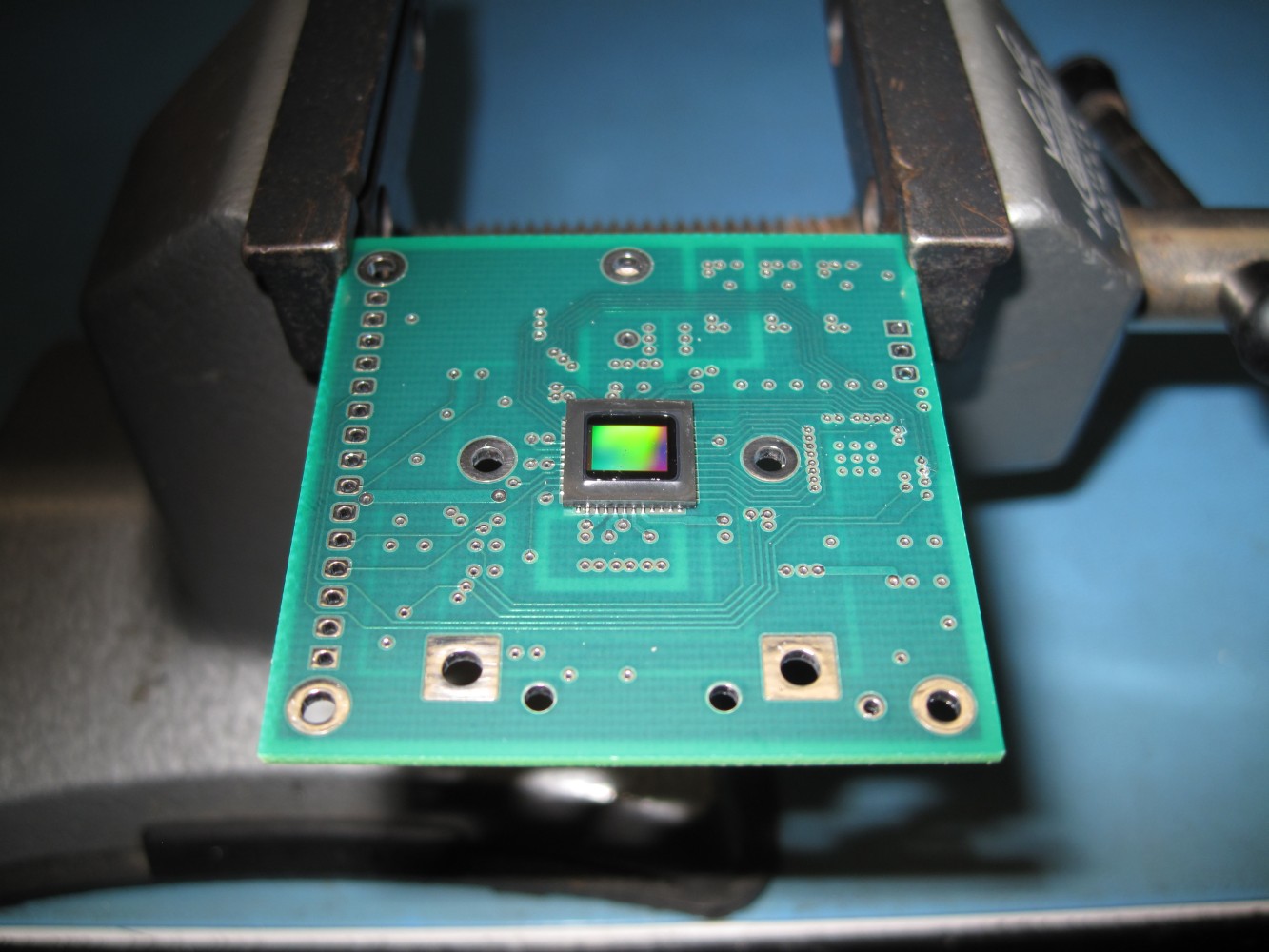
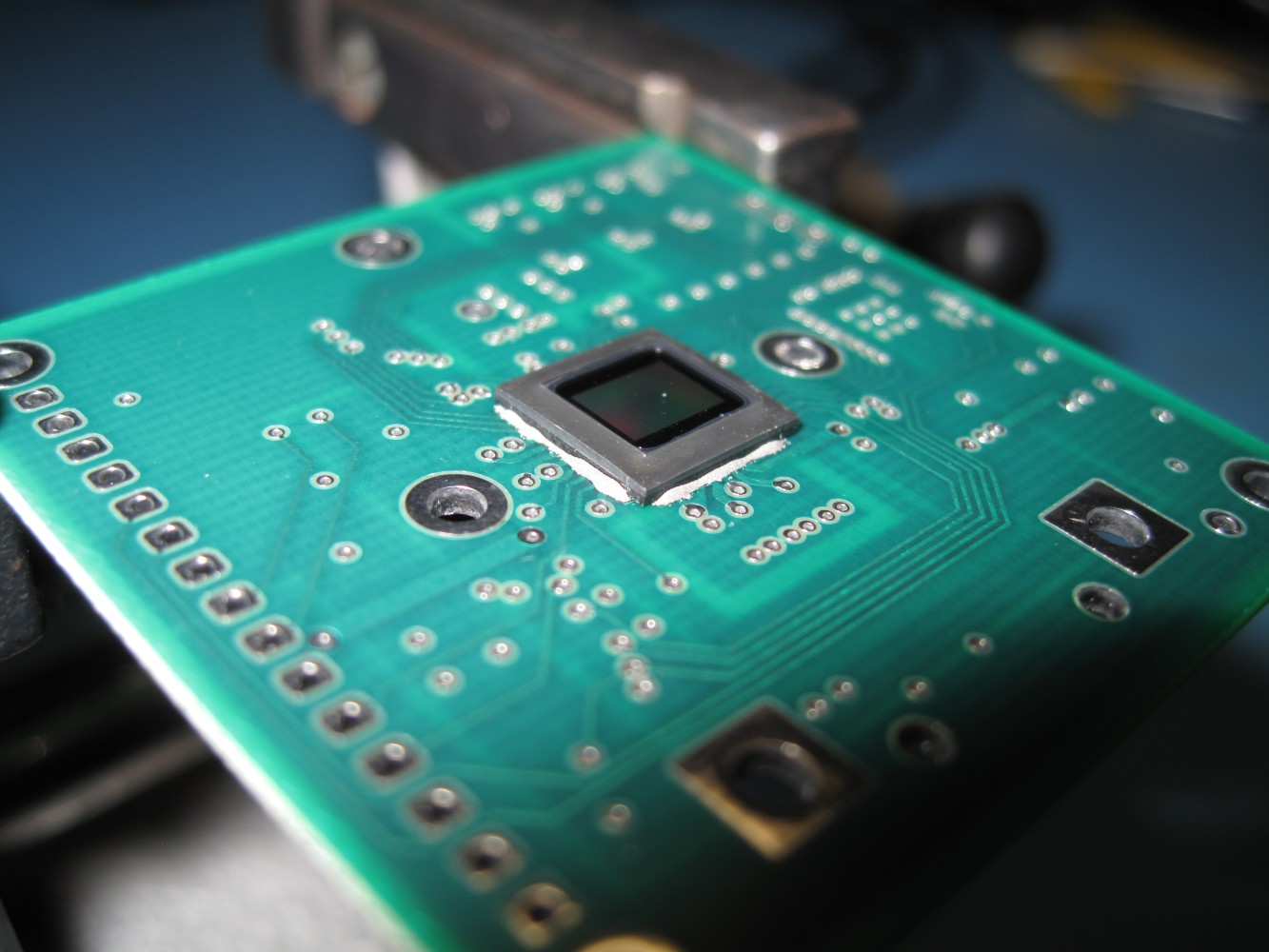
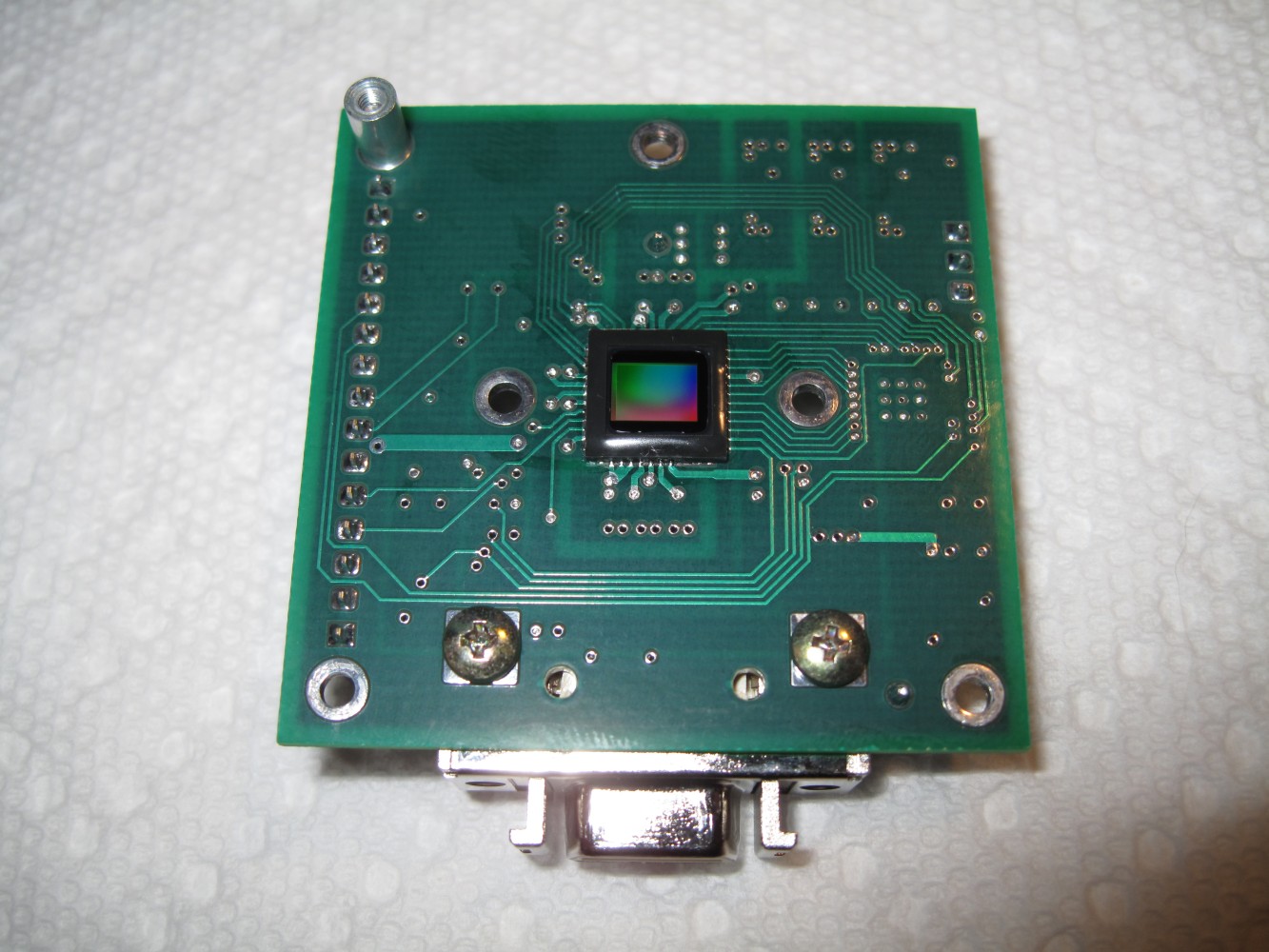
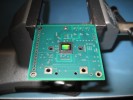 Rev 1 #2 Imager
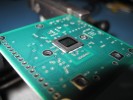 Rev 1 #2 Imager solder paste
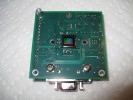 Rev 1 #2 Imager soldered
May 2011 - Linux Kernel Compile / First Picture
In May, we gained full I2C control of all devices and compiled the Linux kernel.
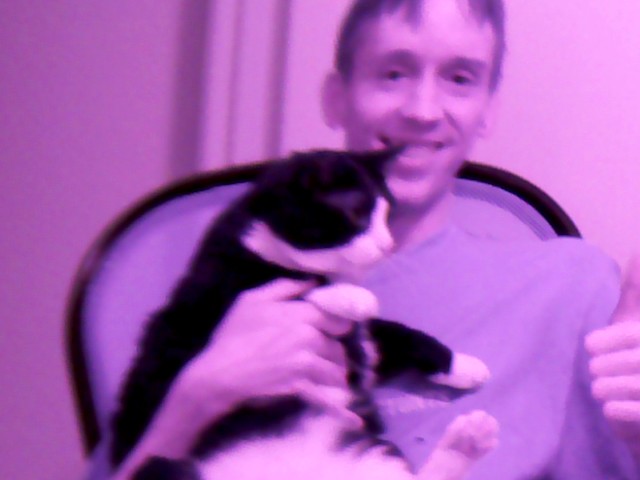
On May 13, the first picture was captured with the LeopardBoard: me and my cat.
On May 25, the BeagleBoard software was re-installed due to boot problems.
On May 28, the Linux kernel source was installed on the BeagleBoard.
On May 29, we successfully compiled 1st uImage from kernel source on BeagleBoard.
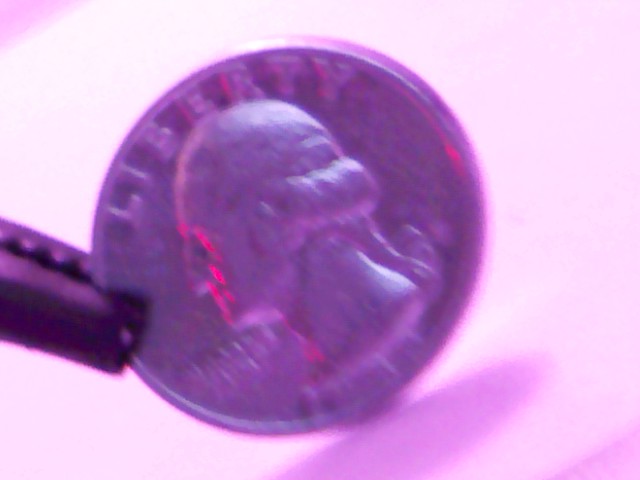
On May 30, the first picture was captured with the Rev 1 camera: a quarter.
The next night was spent refining the camera for an upcoming demonstration.
 Prototype boxed up
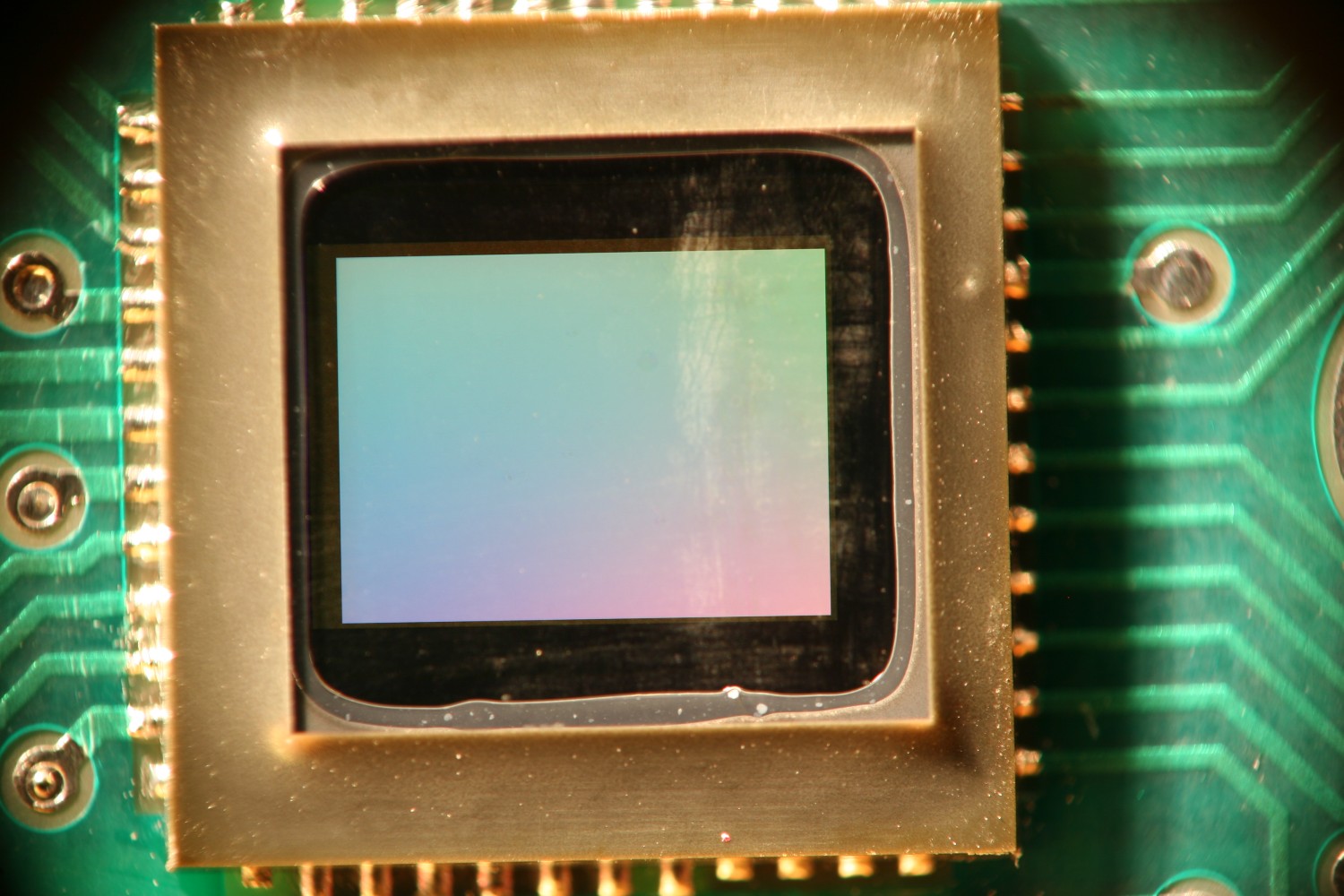
 Imager close-up
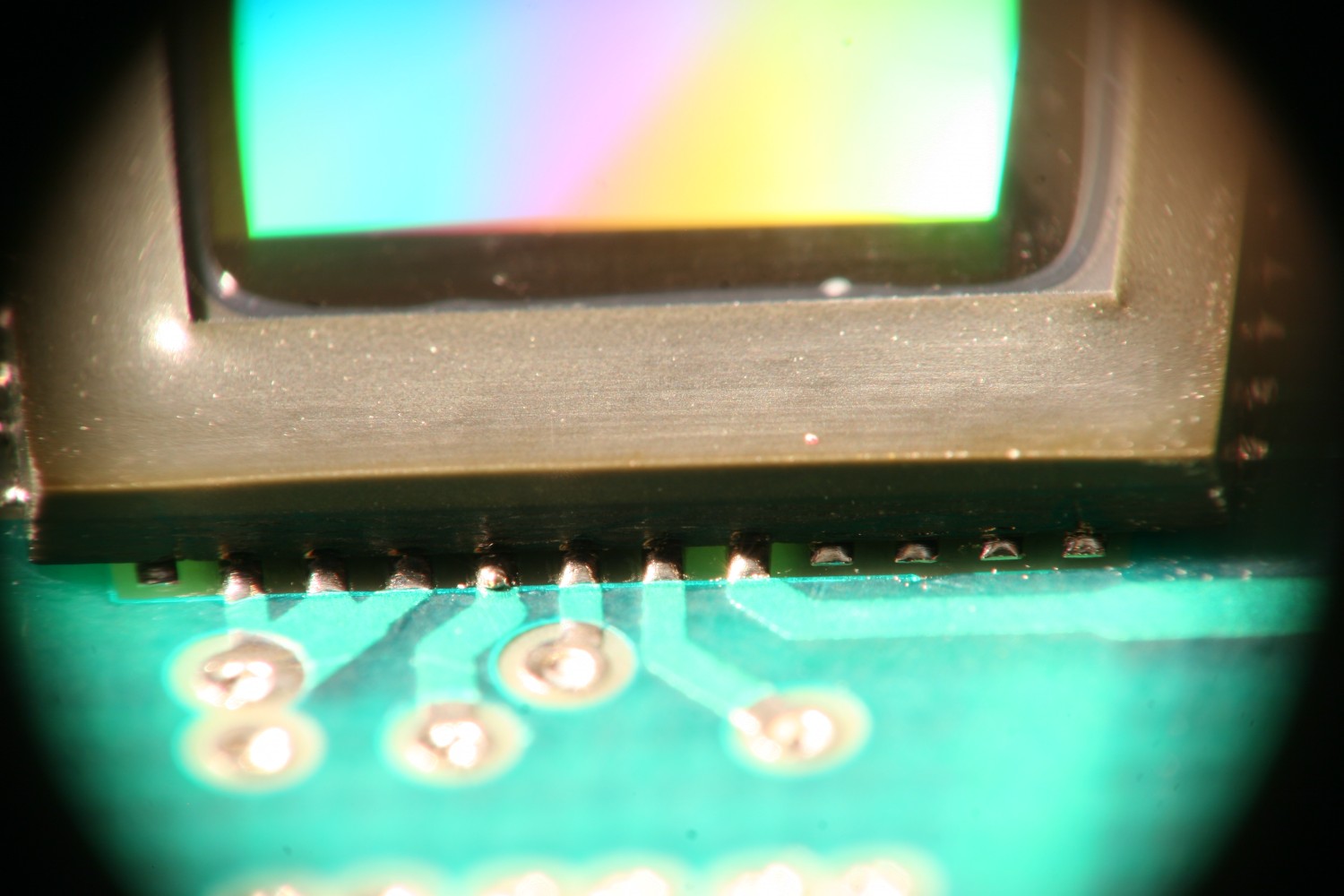
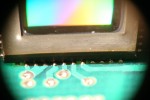 Imager pins close-up
 Green Screen Of Death
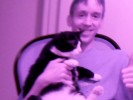 1st picture from LeopardBoard
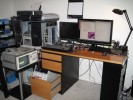 HDcam system on 5/13 after 1st image
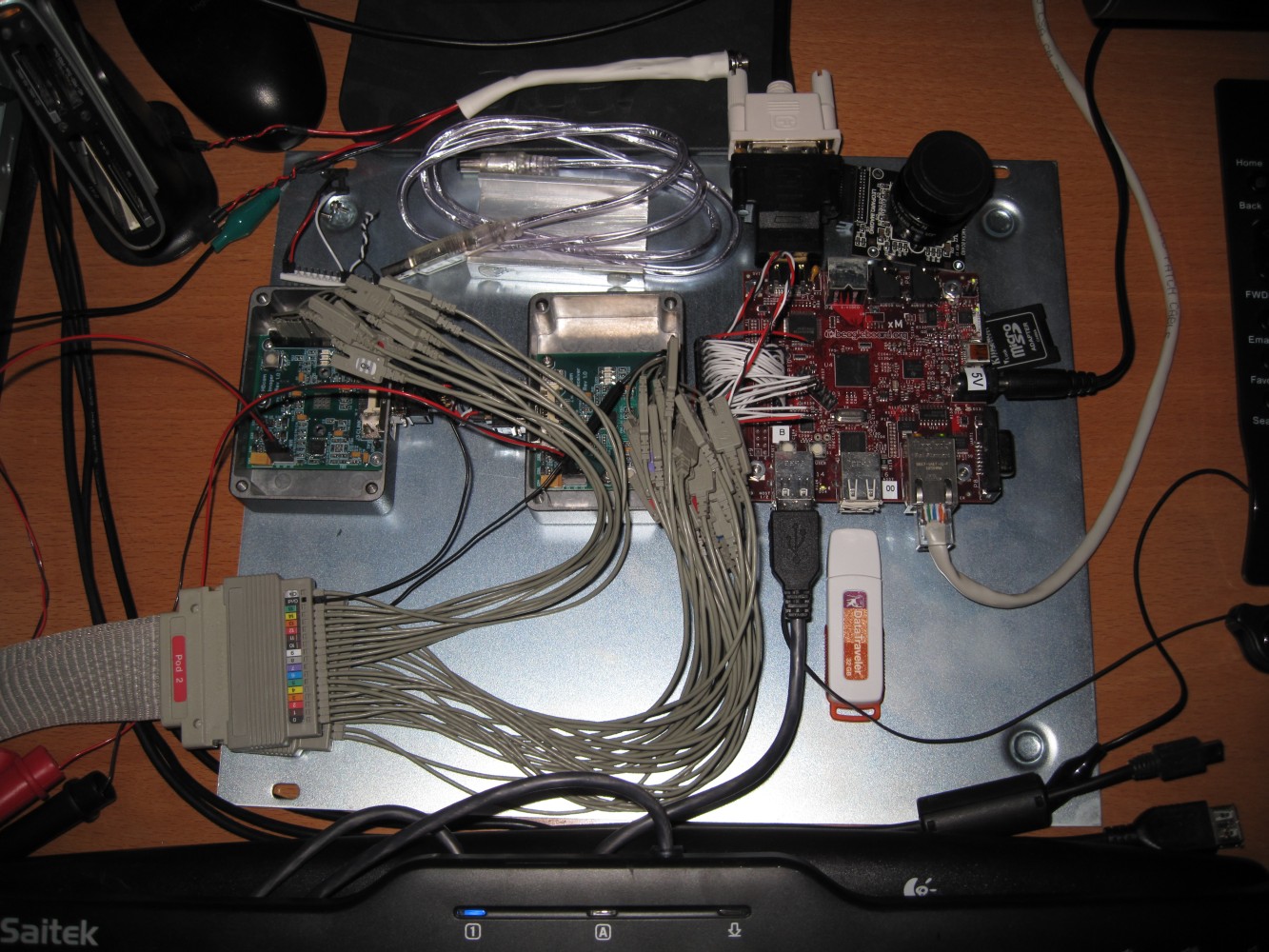
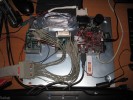 Logic analyzer probes
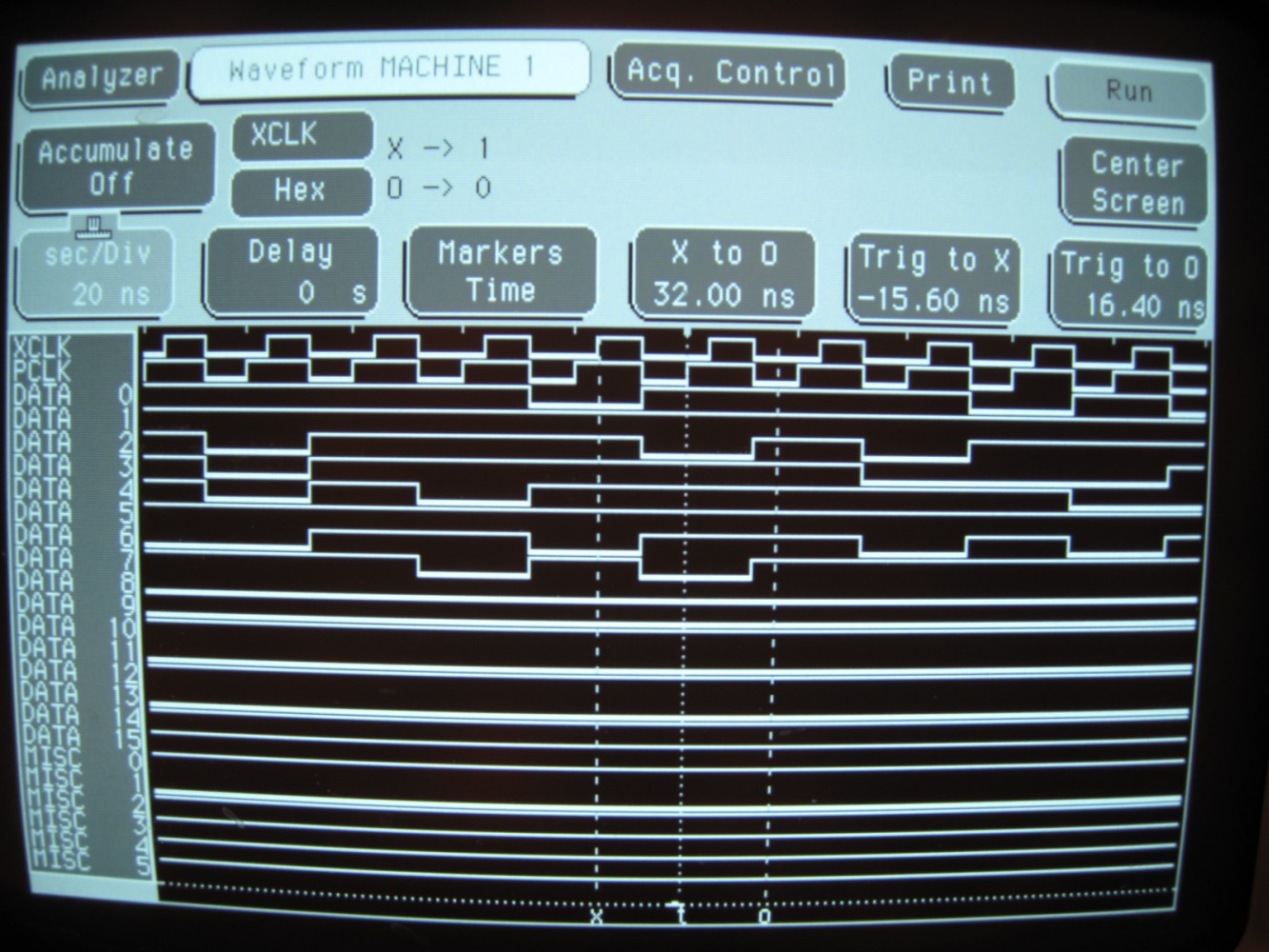
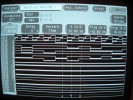 Logic analyzer screen
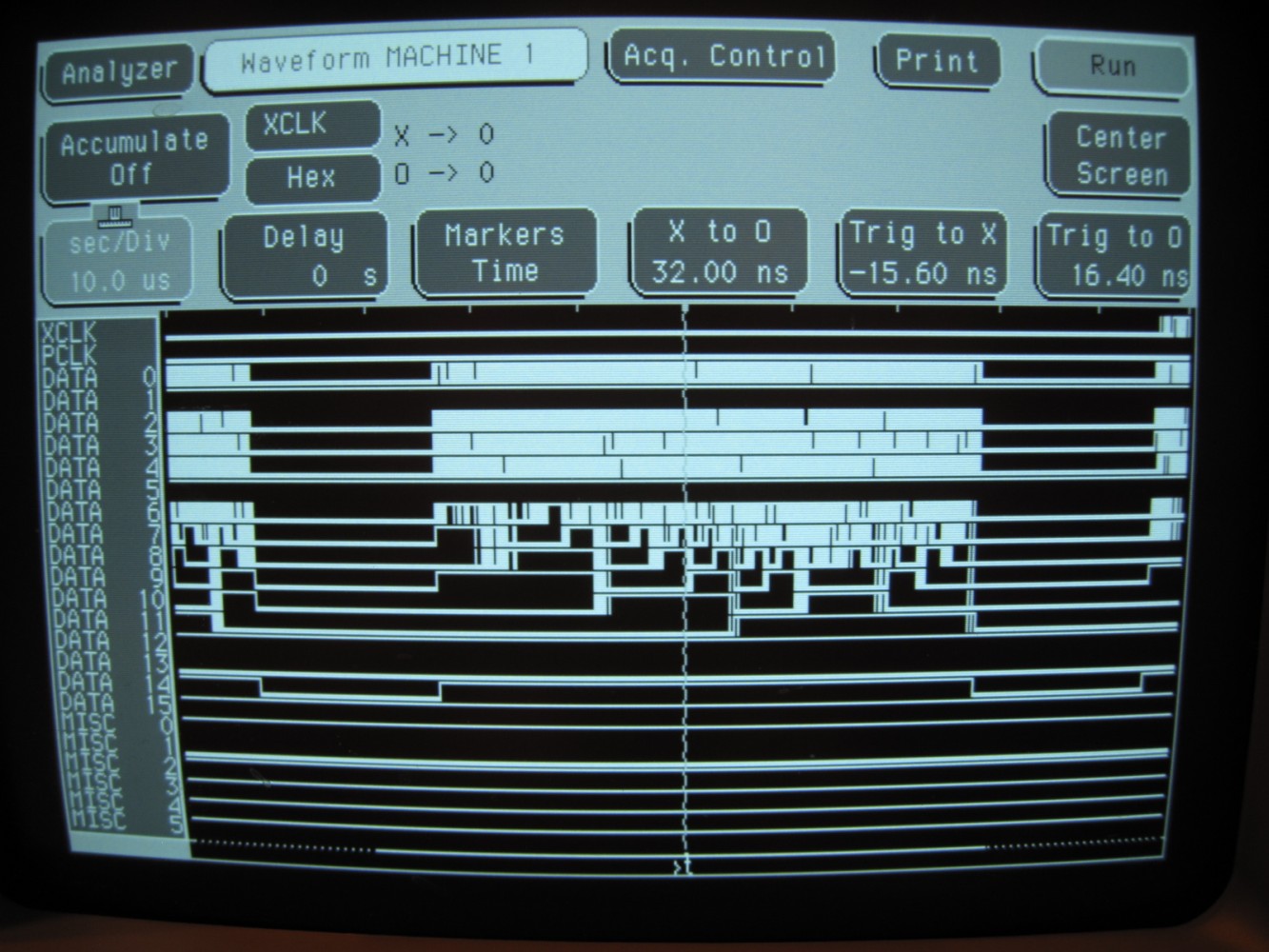
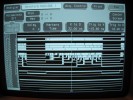 Logic analyzer screen
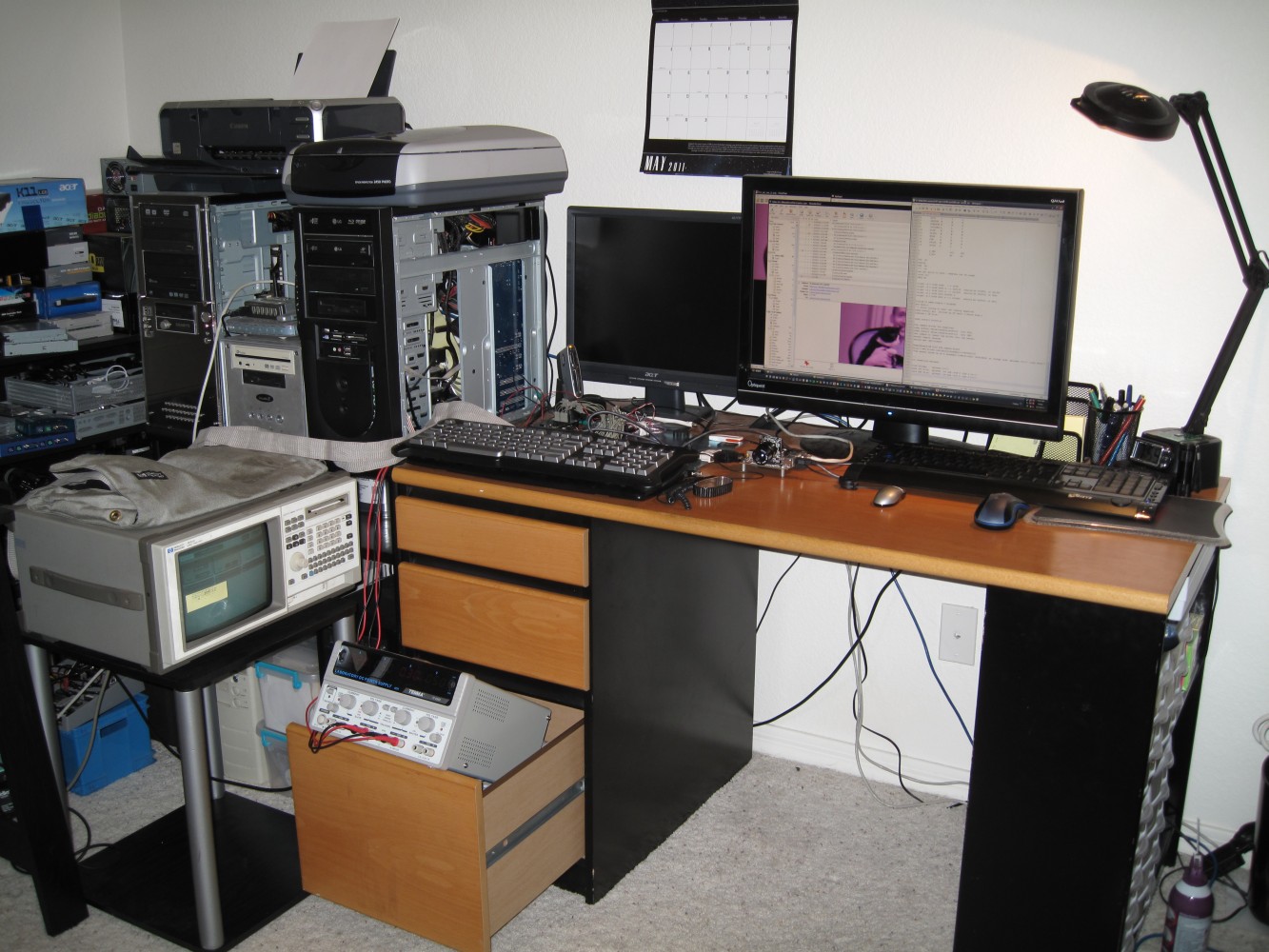
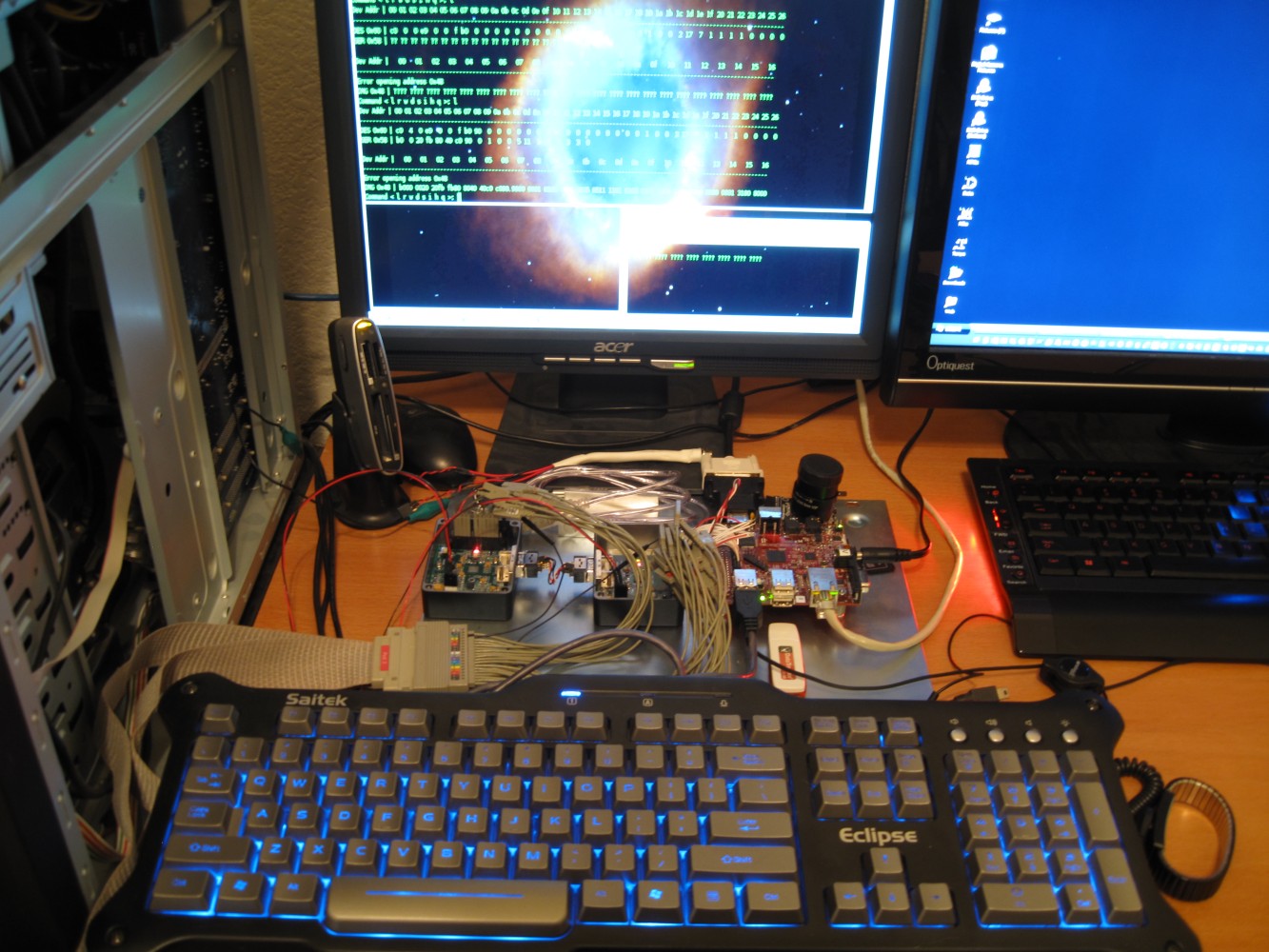
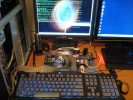 HDcam desktop
 1st picture from Prototype
 quarter from Prototype
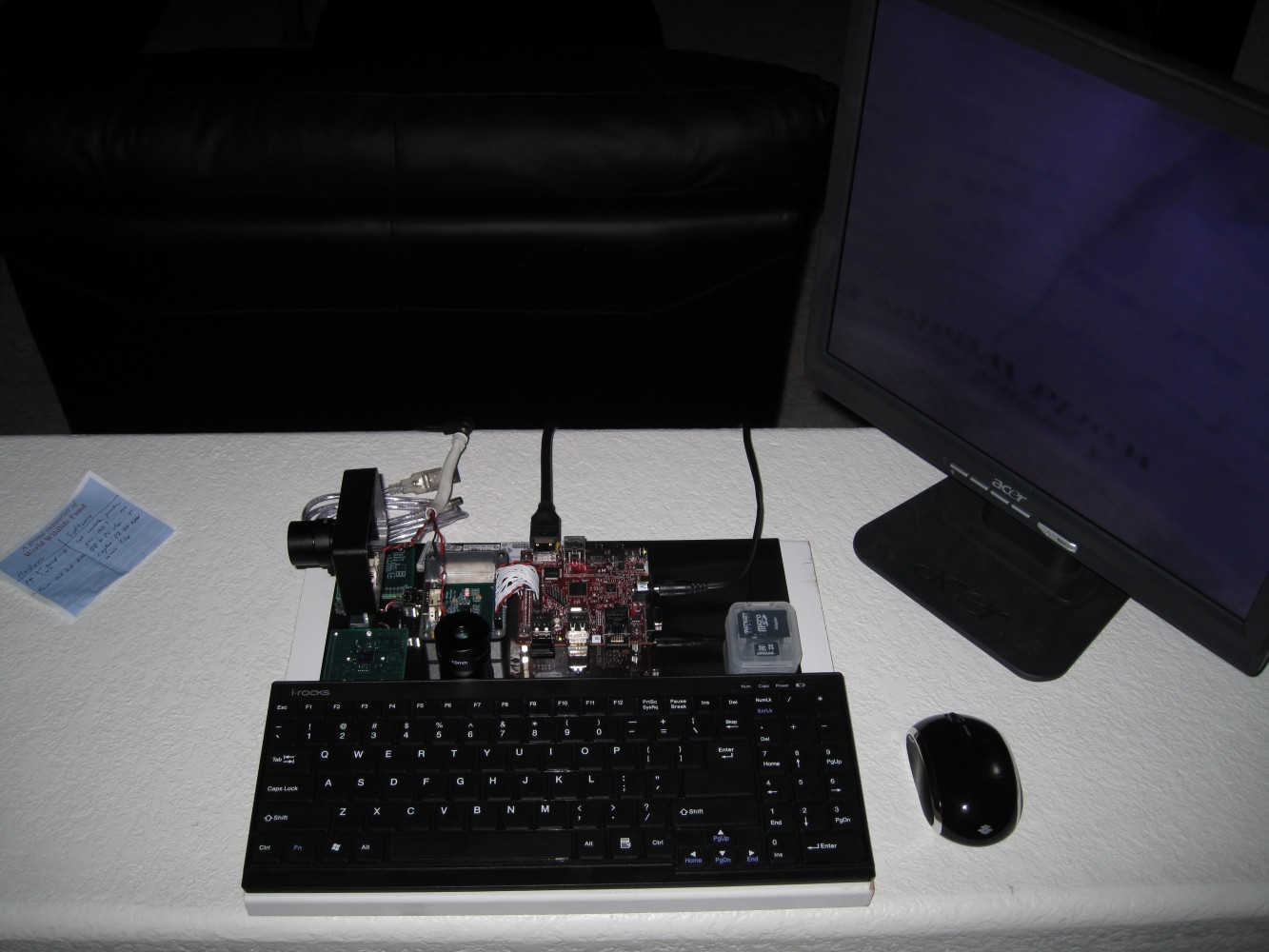
 Prototype camera ready to demo
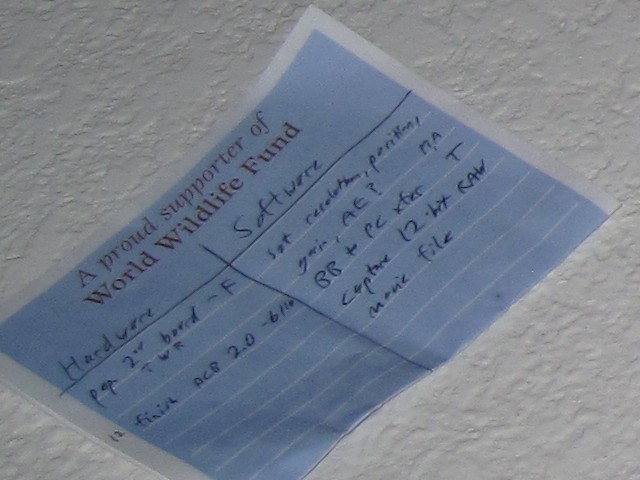
 To-Do list from previous picture
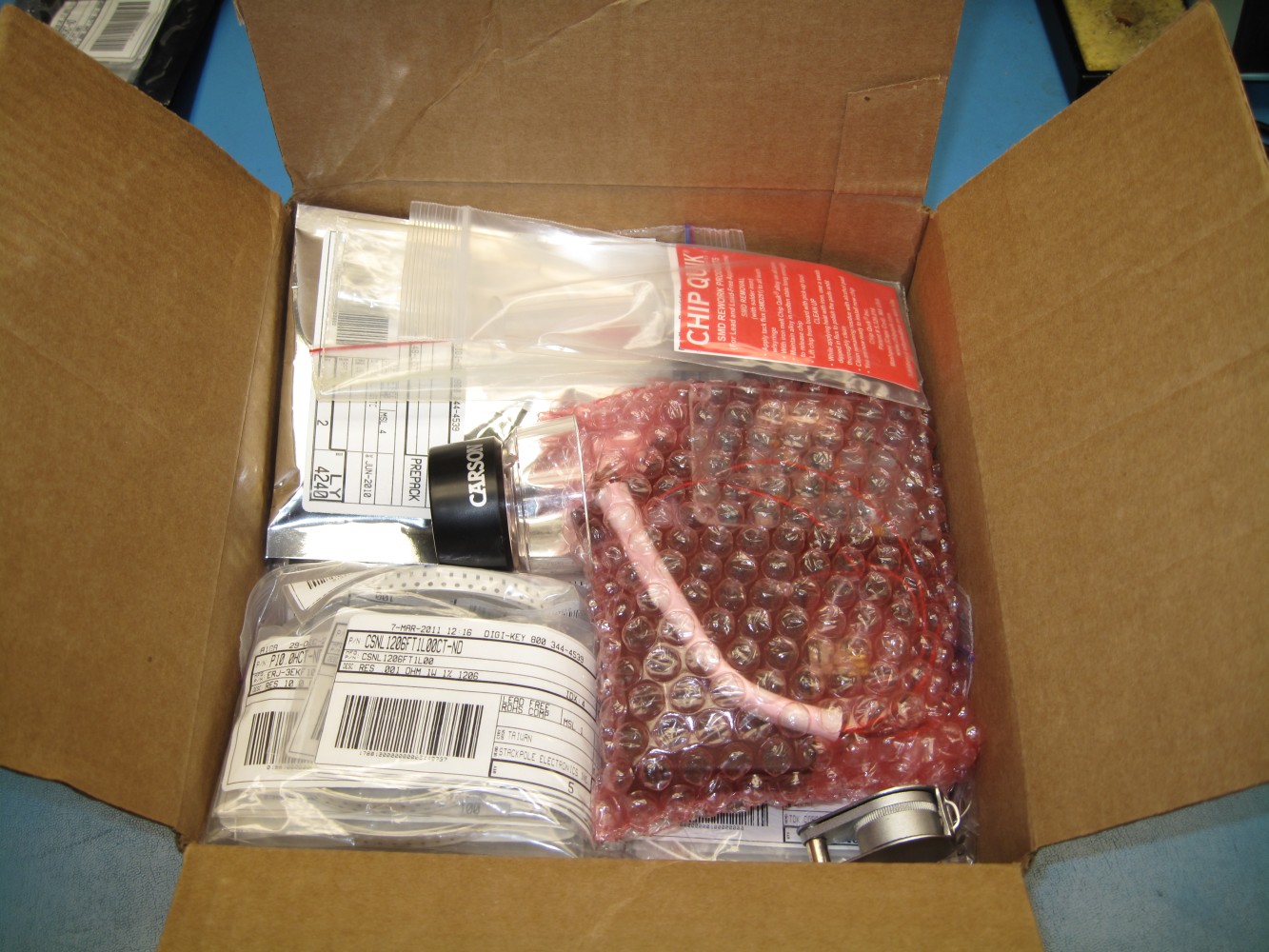

June 2011 - Rev 1 Demo / Rev 2 Design
In June, we demonstrated the Rev 1 camera to Peter Smith and started Rev 2 PCB.
On June 4, started assembly of a Rev 1 #2 prototype, which took a week to do.
On June 12, we cross-compiled a new uImage and fixed USB problem with BB Rev C.
On June 13, we developed Aptina register scripts for setting gain and exposure.
On June 21, we captured a video stream as an avi file.
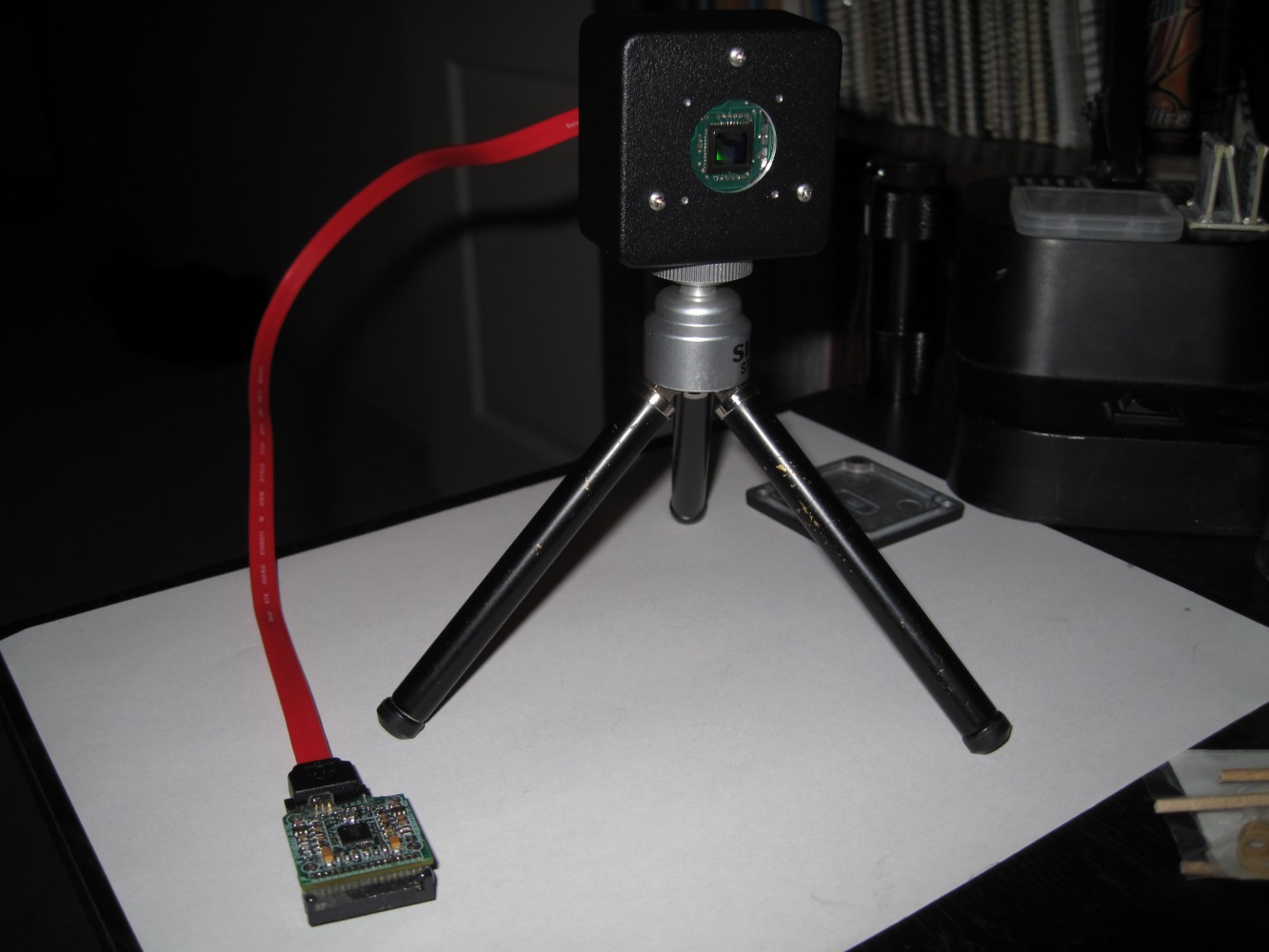
On June 29, Rev 1 #1 prototype was mounted to tripod with longer cable for use.
On June 30, Rev 2 PCB design was completed and ordered.
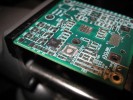 Rev 1 #2 serializer
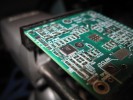 Rev 1 #2 serializer solder paste
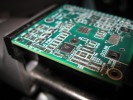 Rev 1 #2 serializer soldered
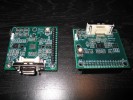 Rev 1 #2 front
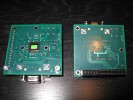 Rev 1 #2 back
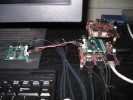 Rev 1 #2 camera
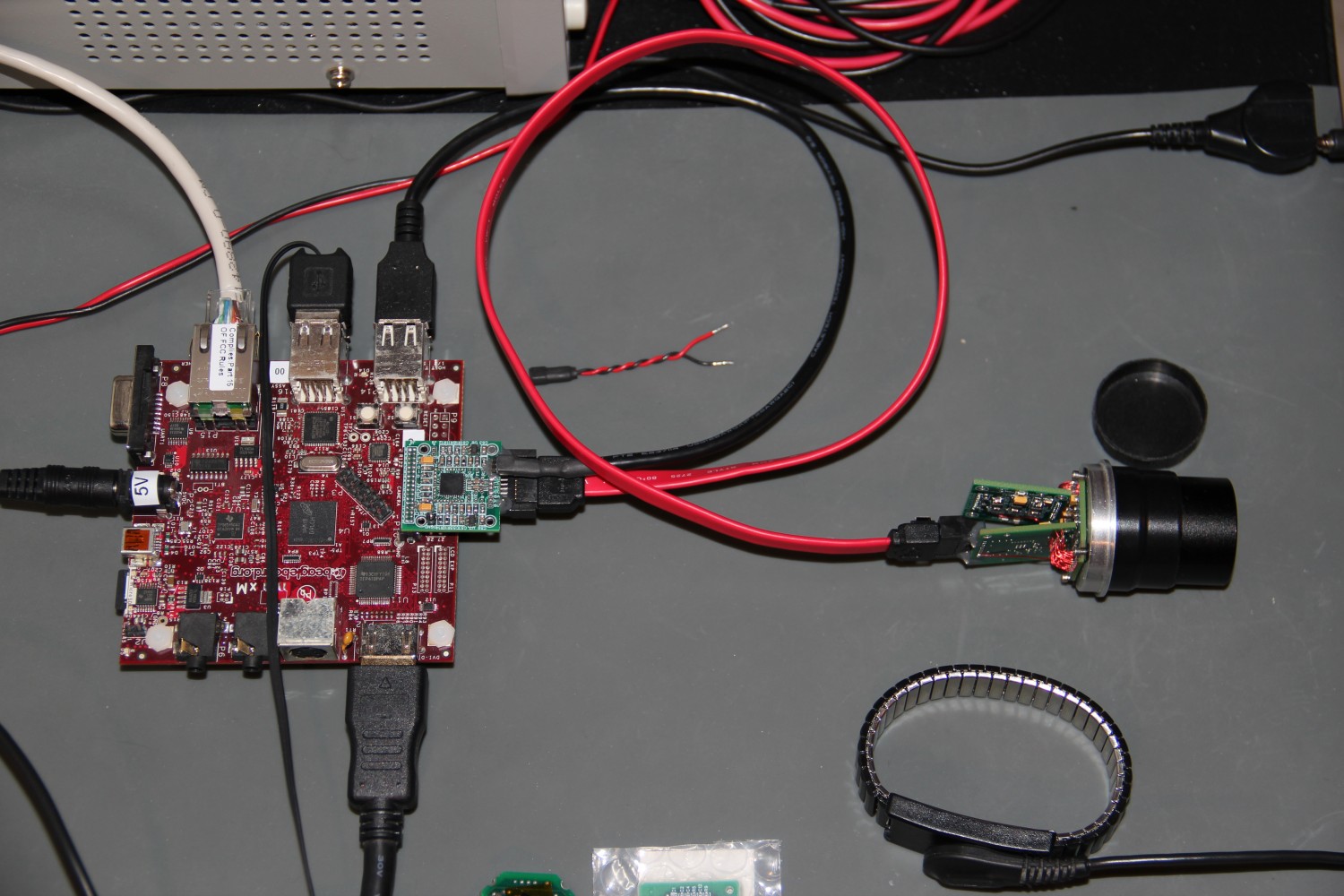
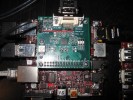 Rev 1 #2 on BeagleBoard
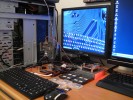 Prototype #1 on tripod and long cable
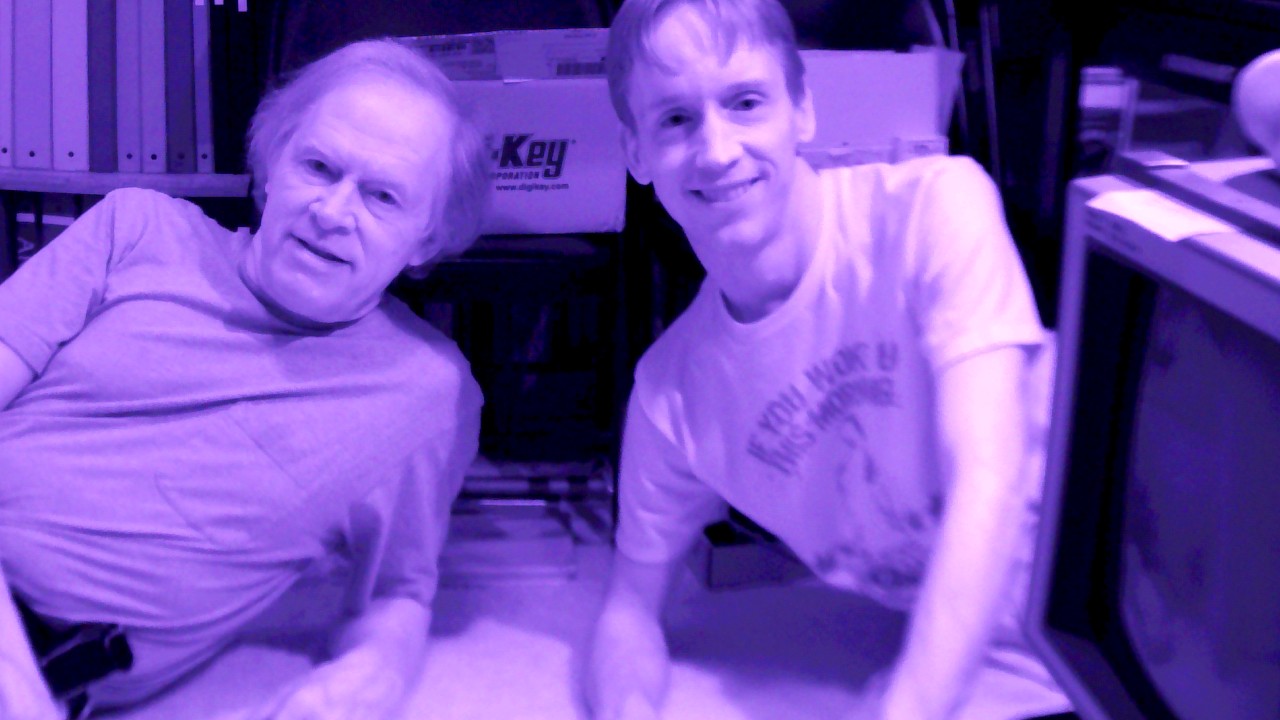
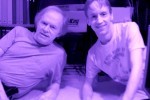 HD capture: Bill and Mike
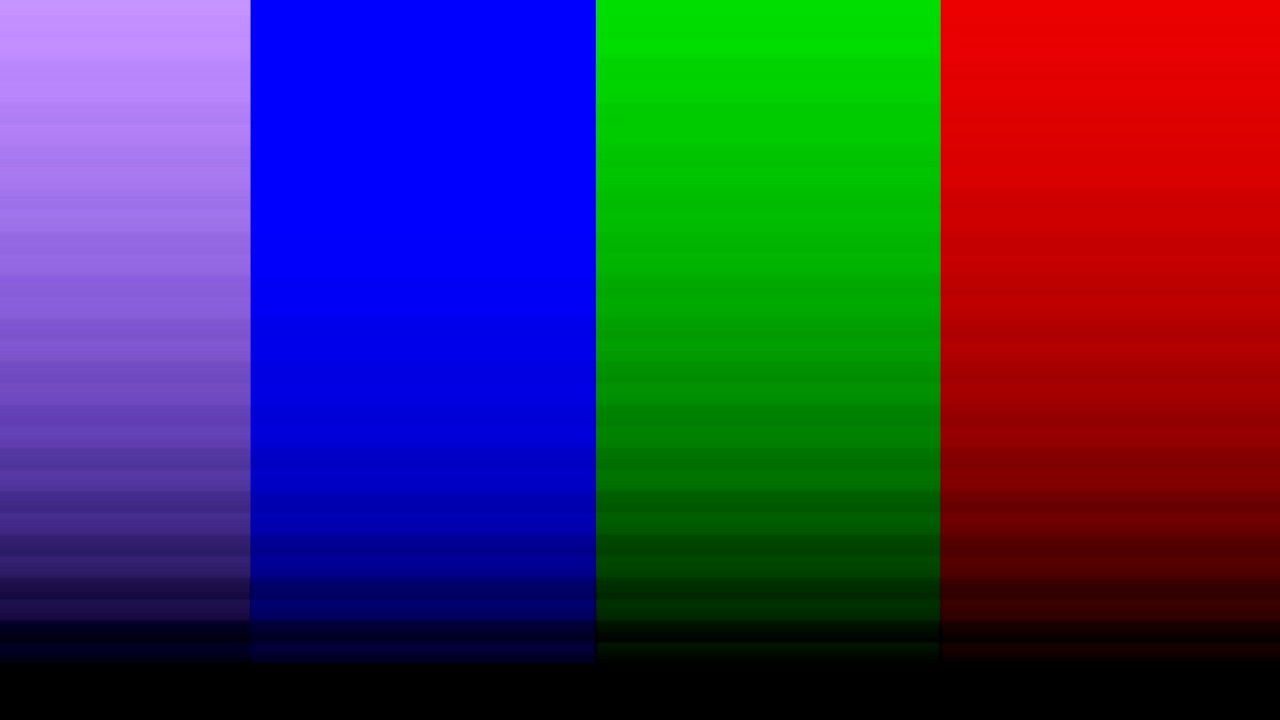
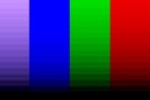 HD capture: colorbars
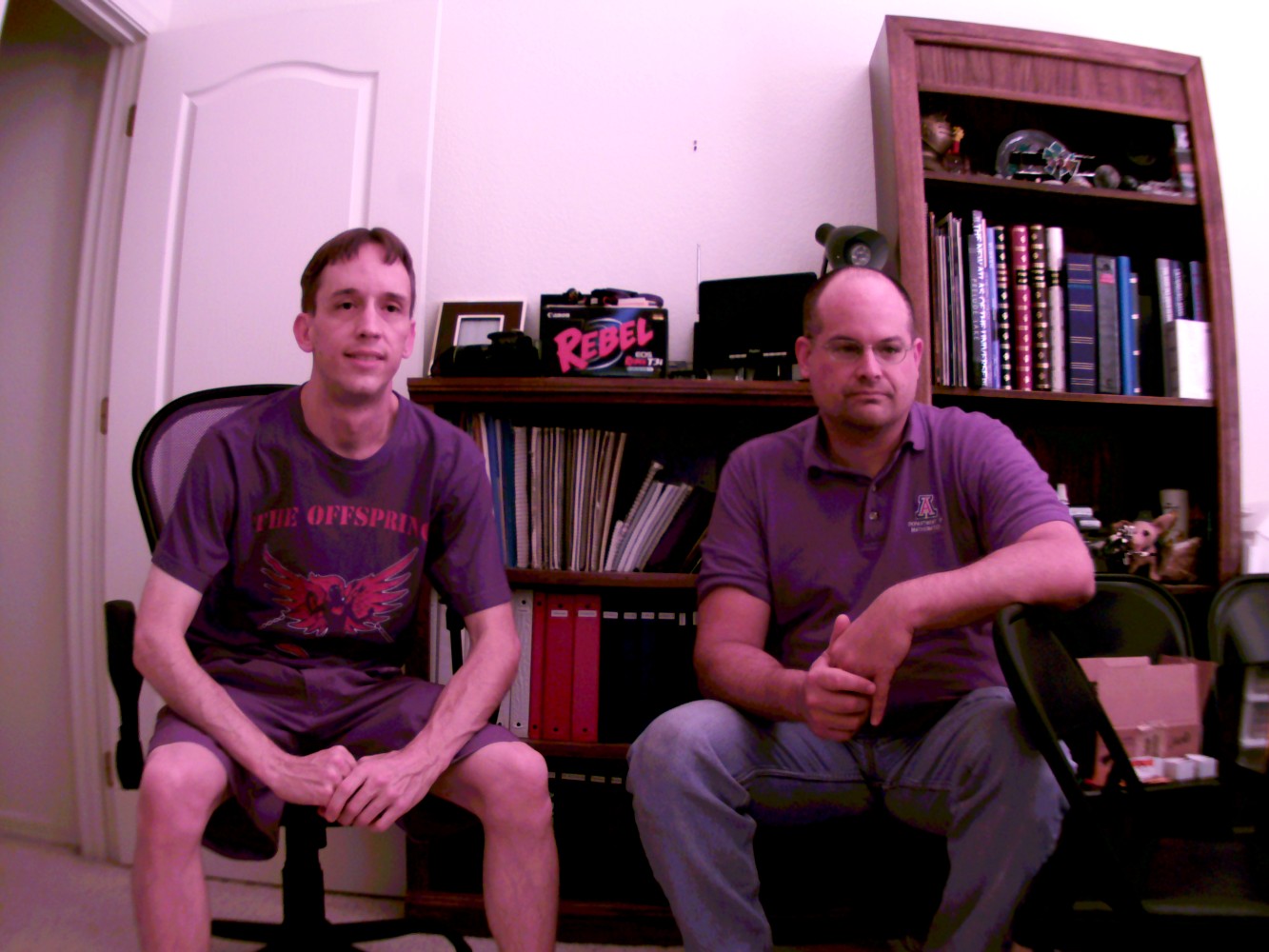
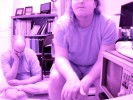 Full-frame capture: Andrew and Zach
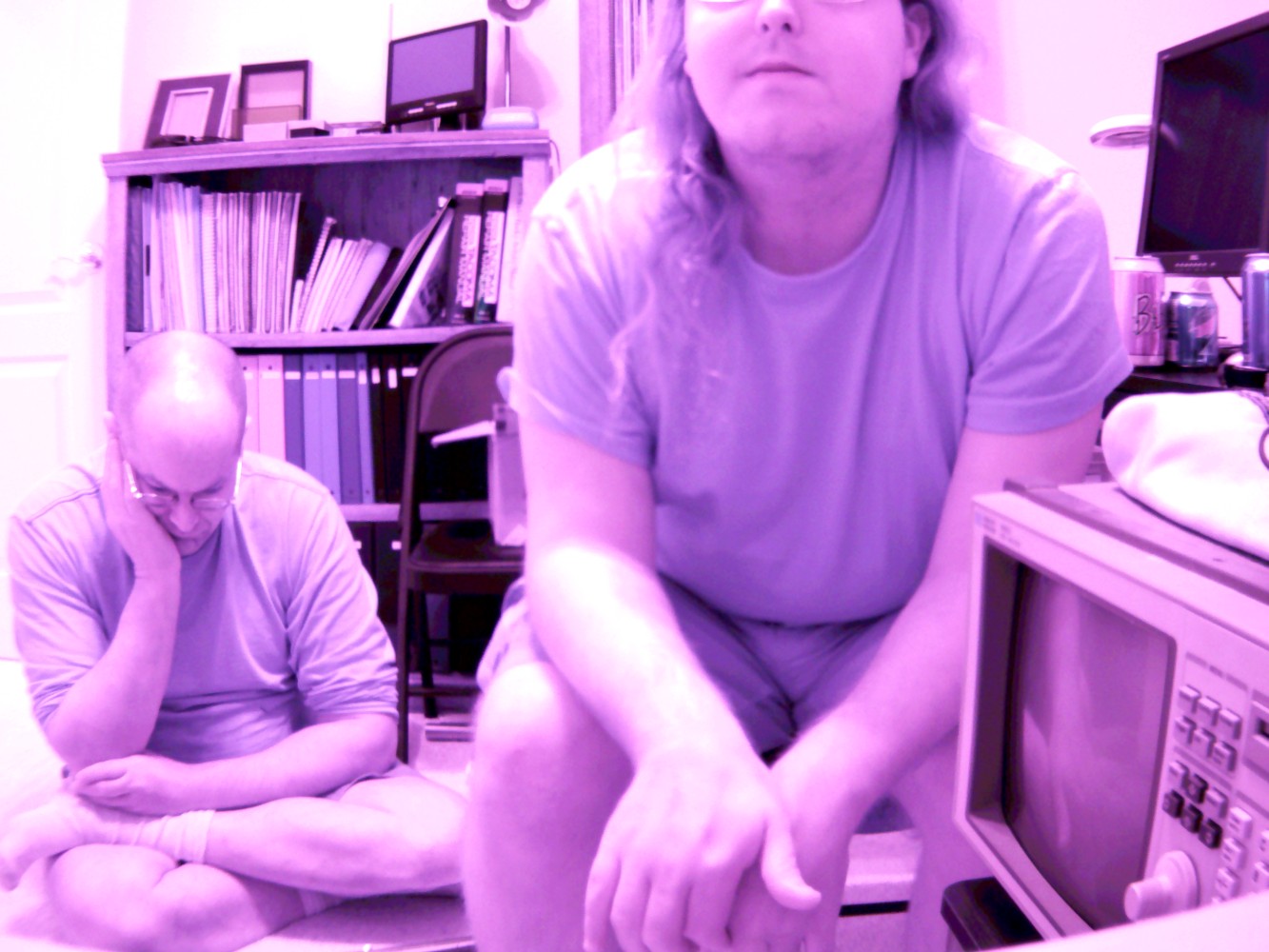
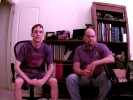 Full-frame capture: Mike and Andrew
 Full-frame green screen

July 2011 - Rev 2 Assembly
In July, Mike took a vacation to Florida and was absent from July 5-11.
On July 17, Tiger interface docs; Task Goal Status Report.
On July 24, Rev 2 assembly was started, and continued into August.
On July 26, Linux kernel 2.6.39 was released, but we don't yet know we need it.
On July 28, I2C issues were discovered and fixed in under a week.
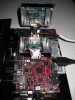 HDcam Rev 1 ready to go
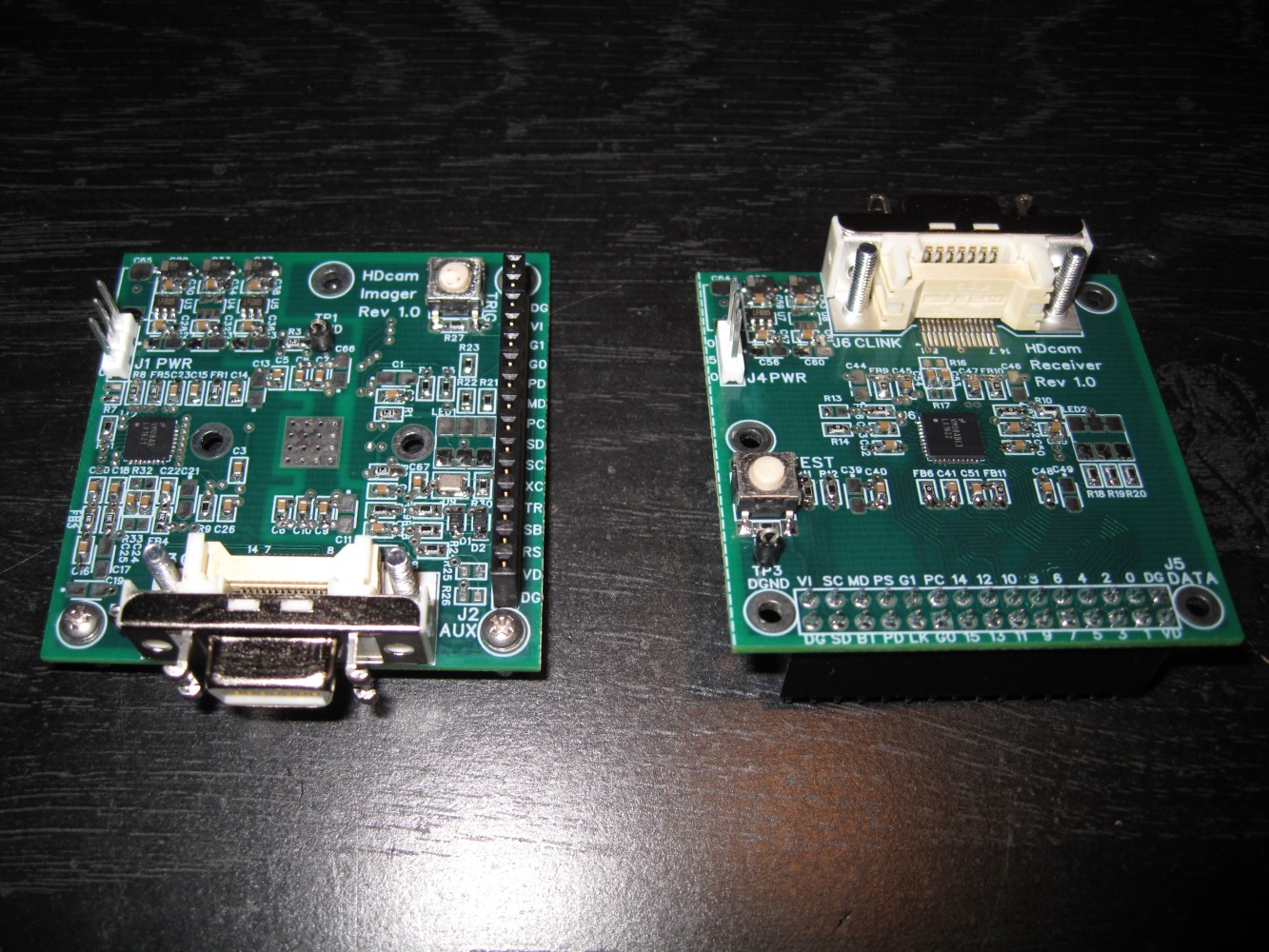
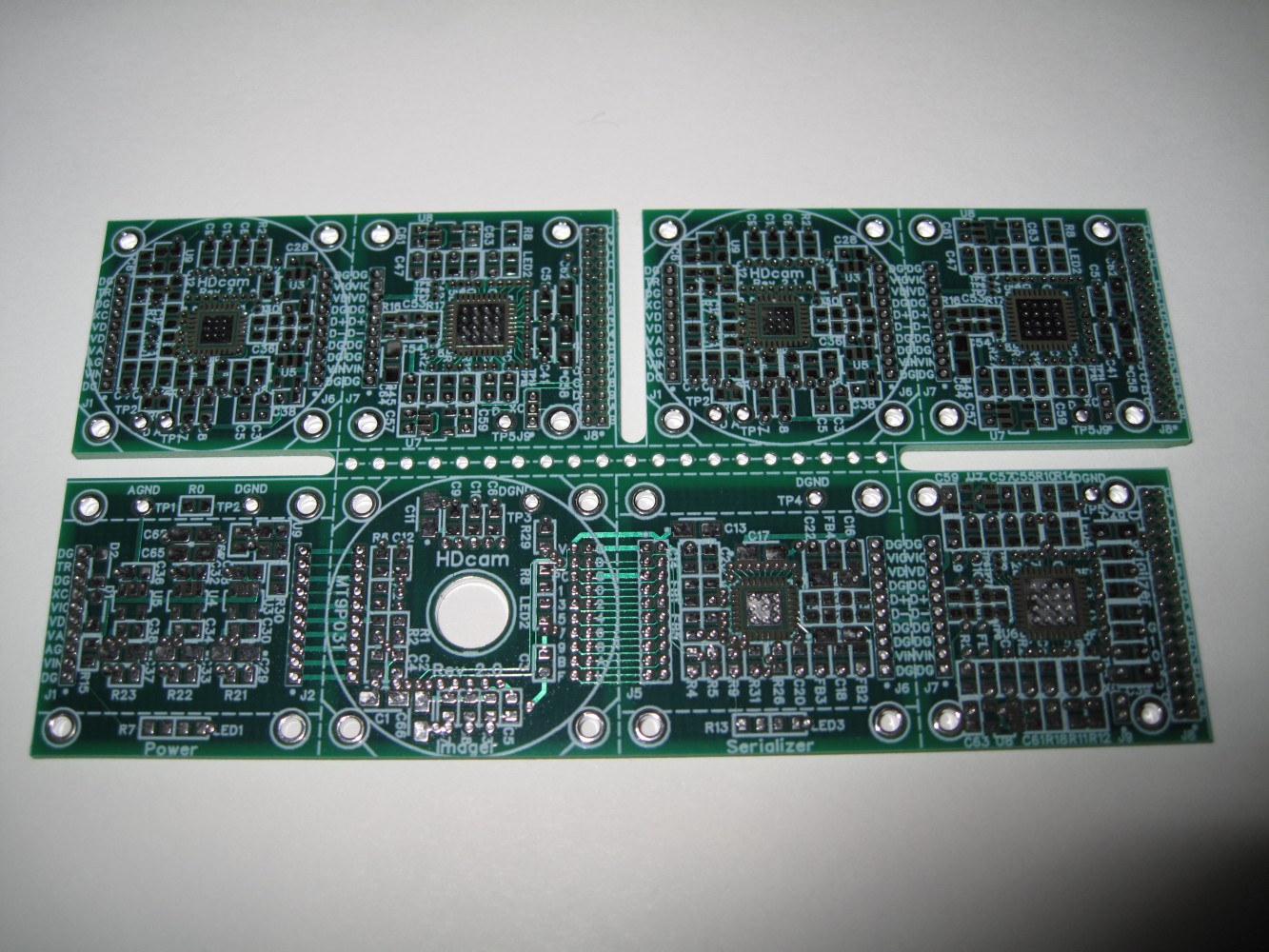
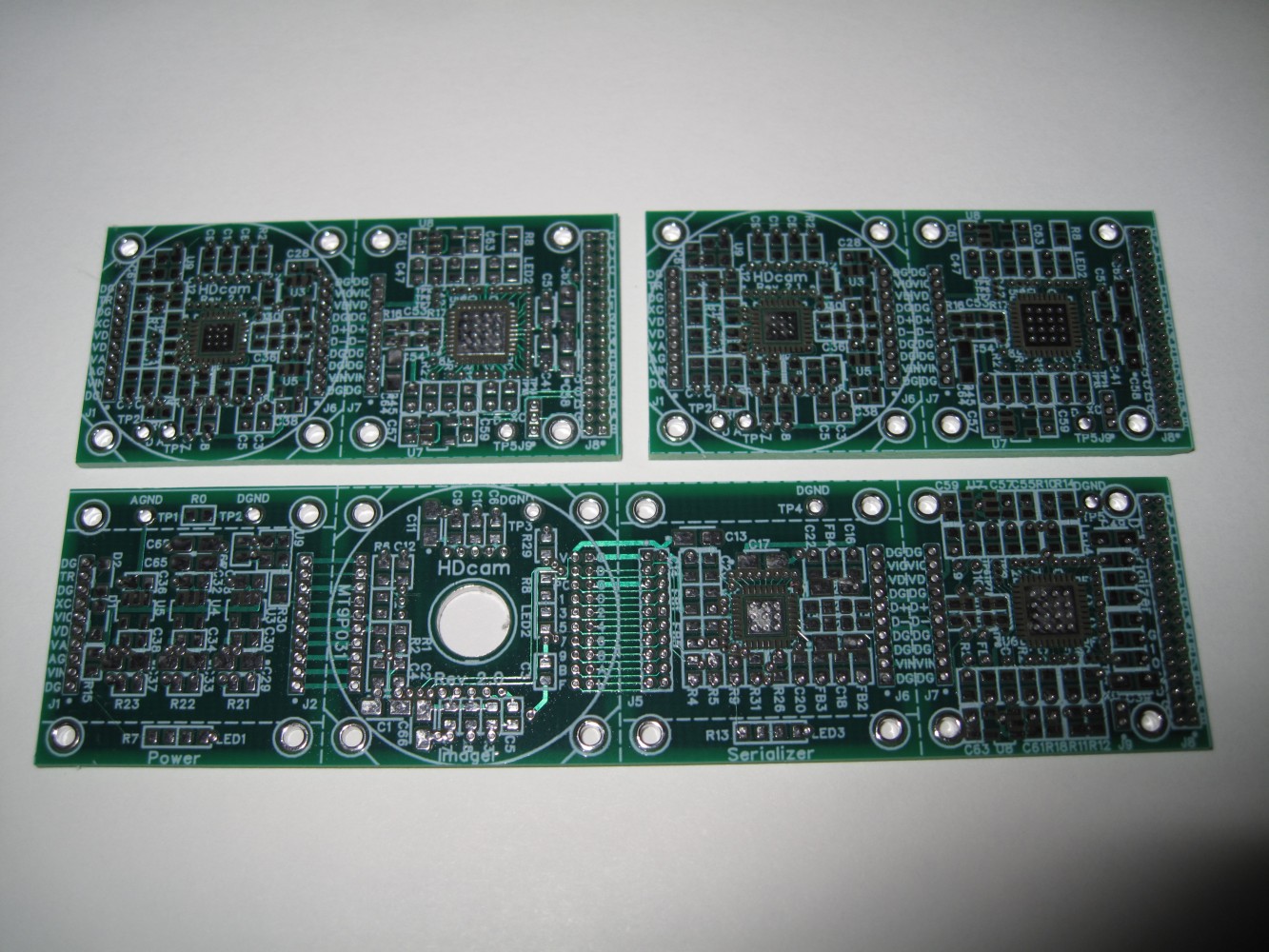
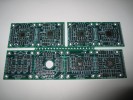 HDcam Rev 2 PCBs
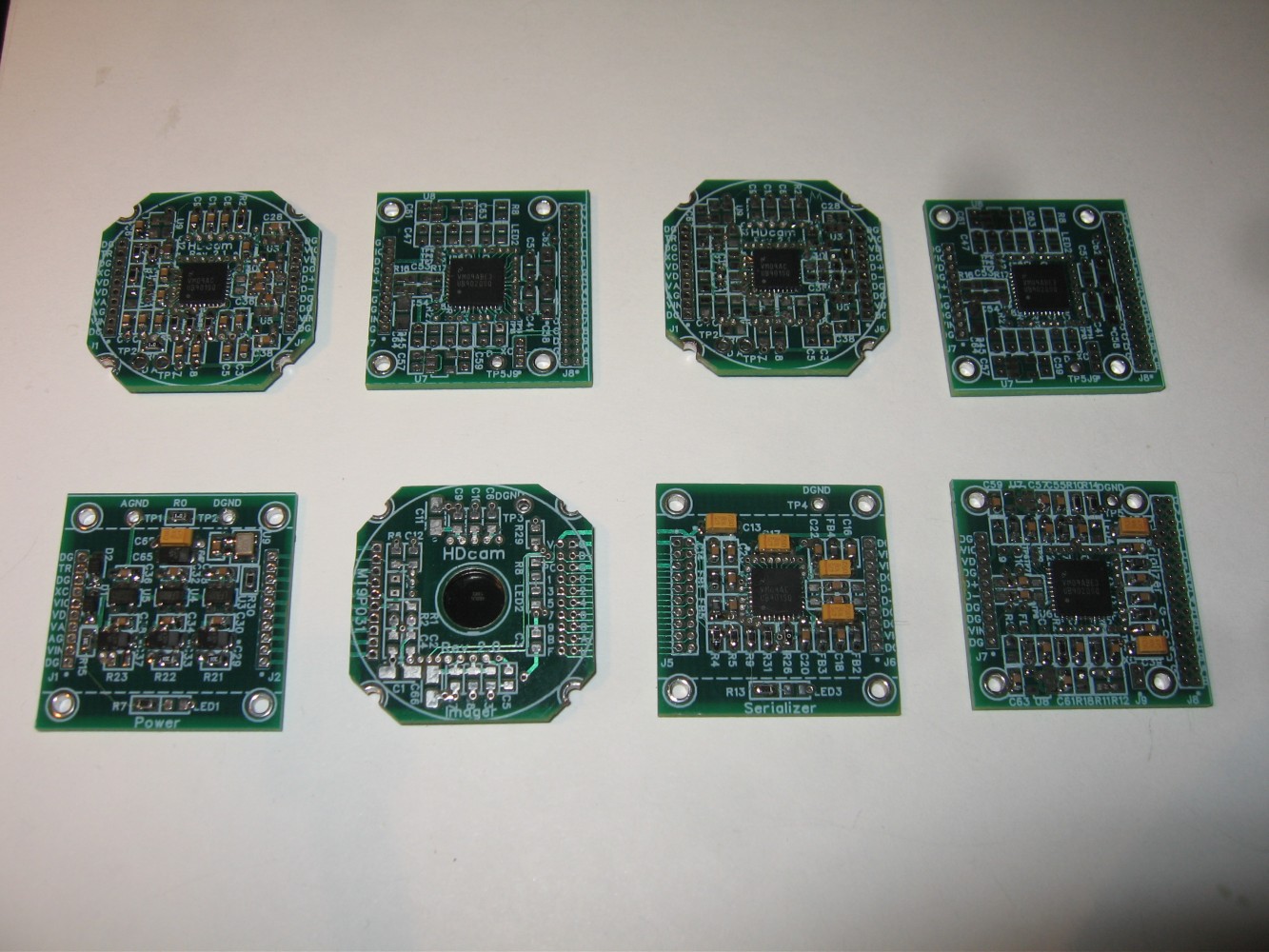
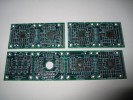 HDcam Rev 2 PCBs cut apart
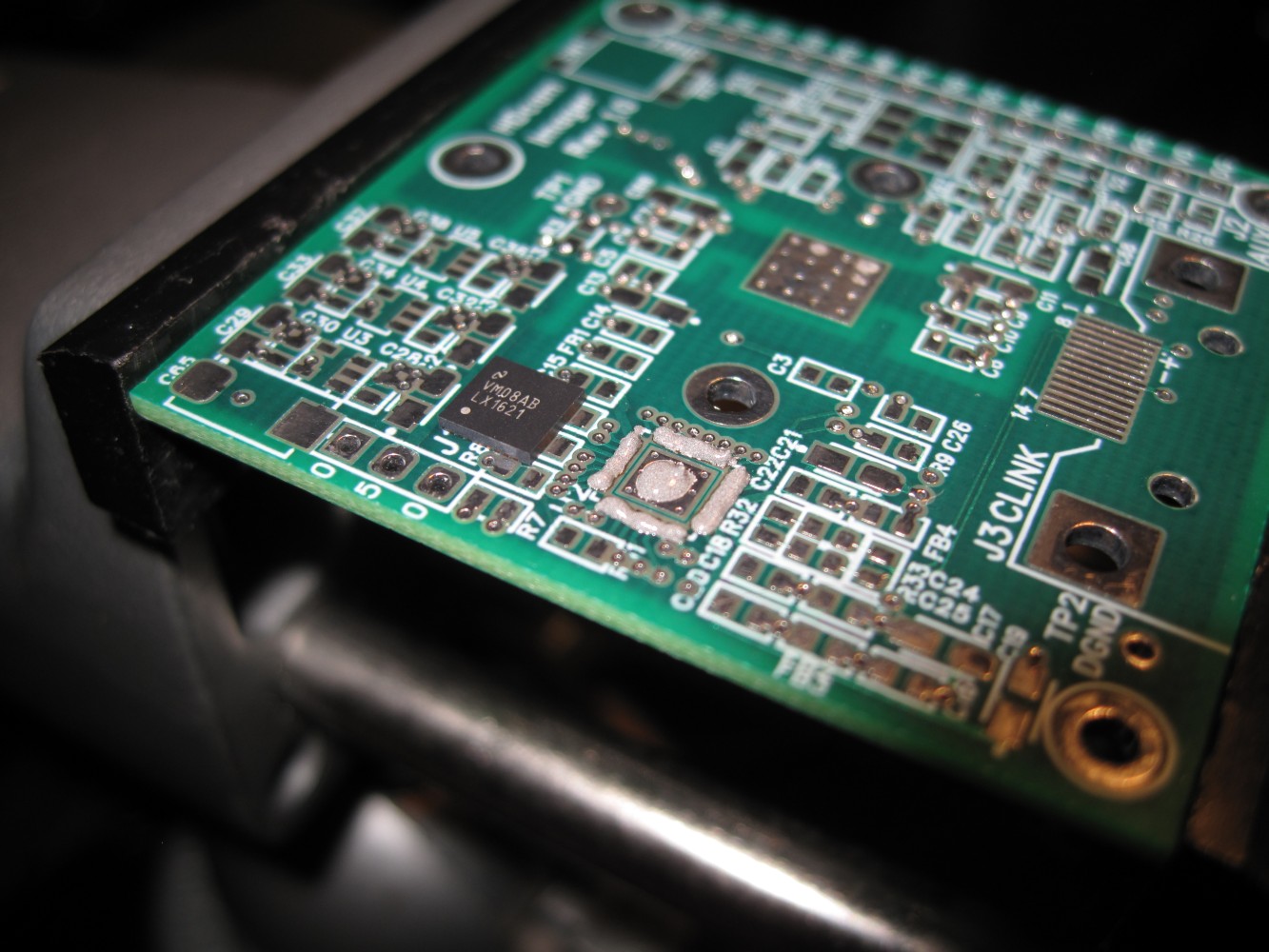
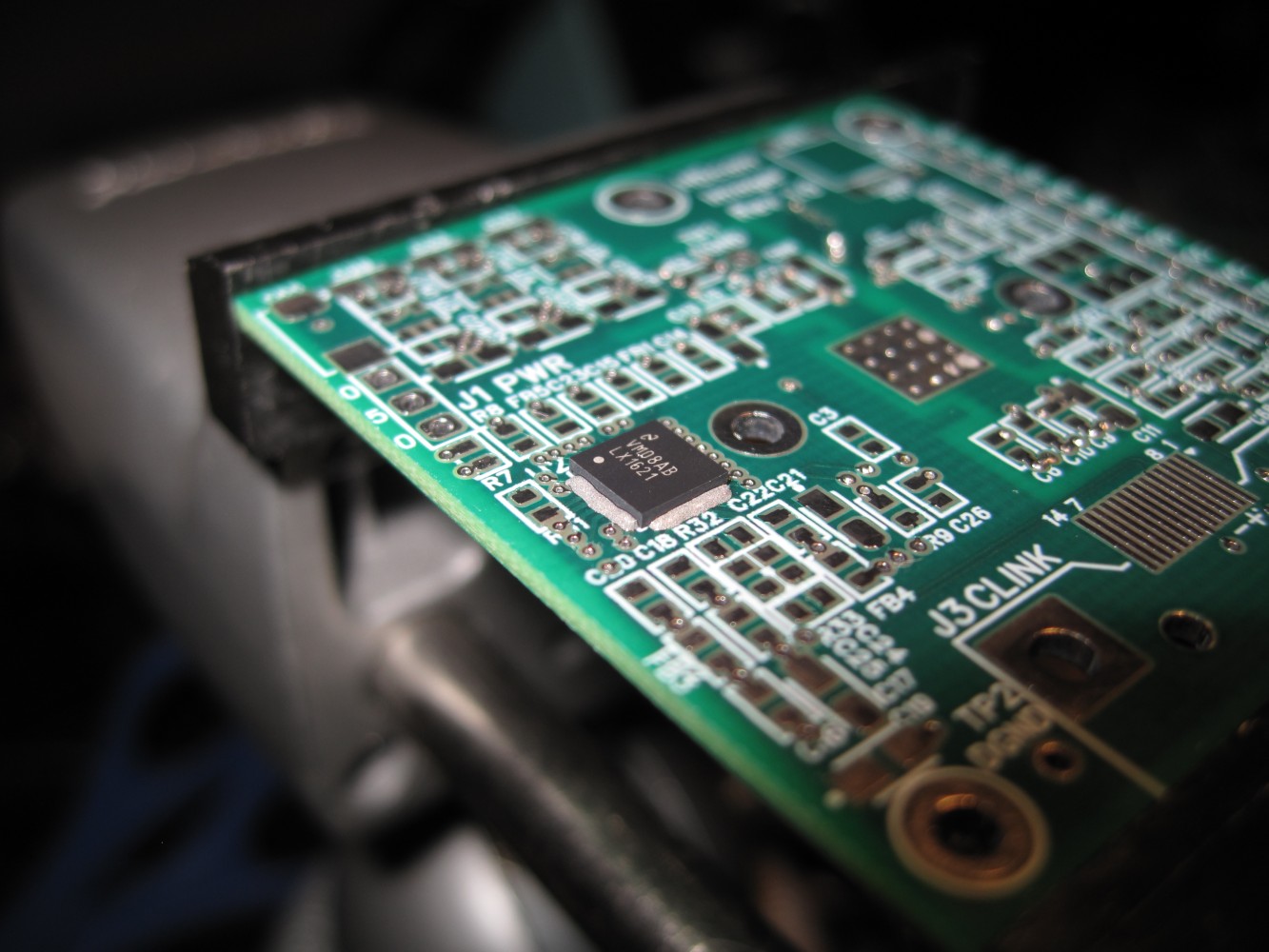
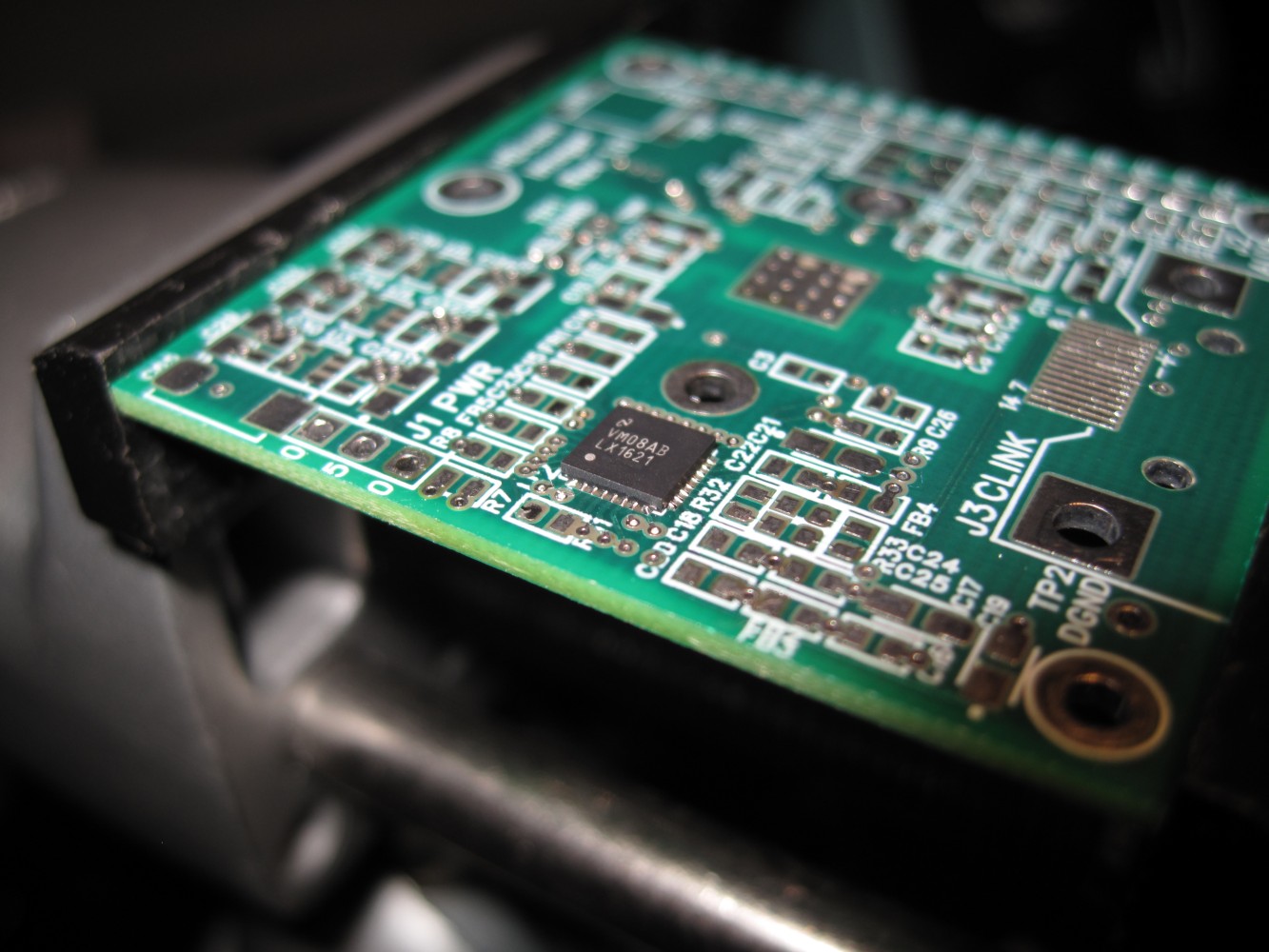
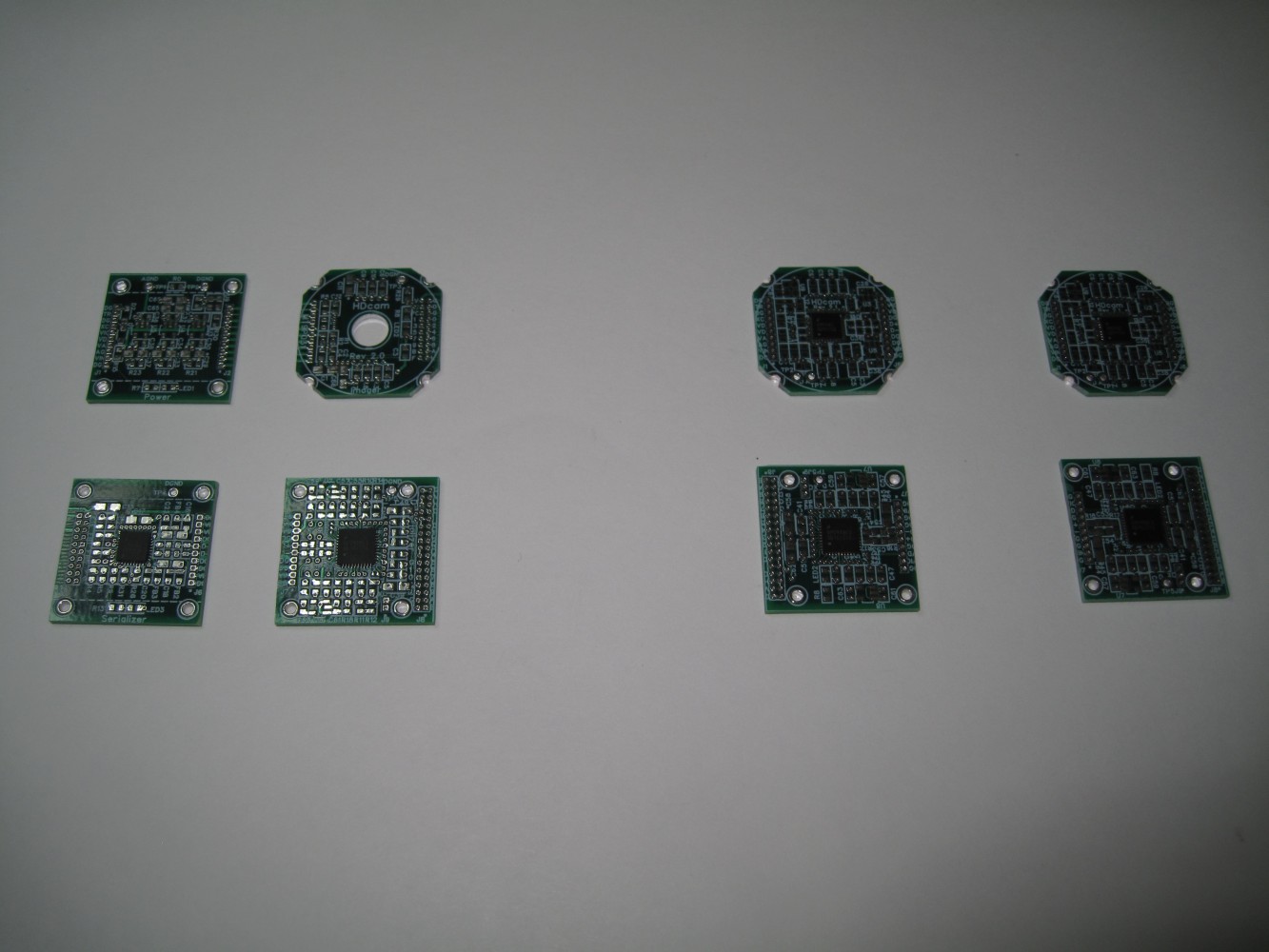
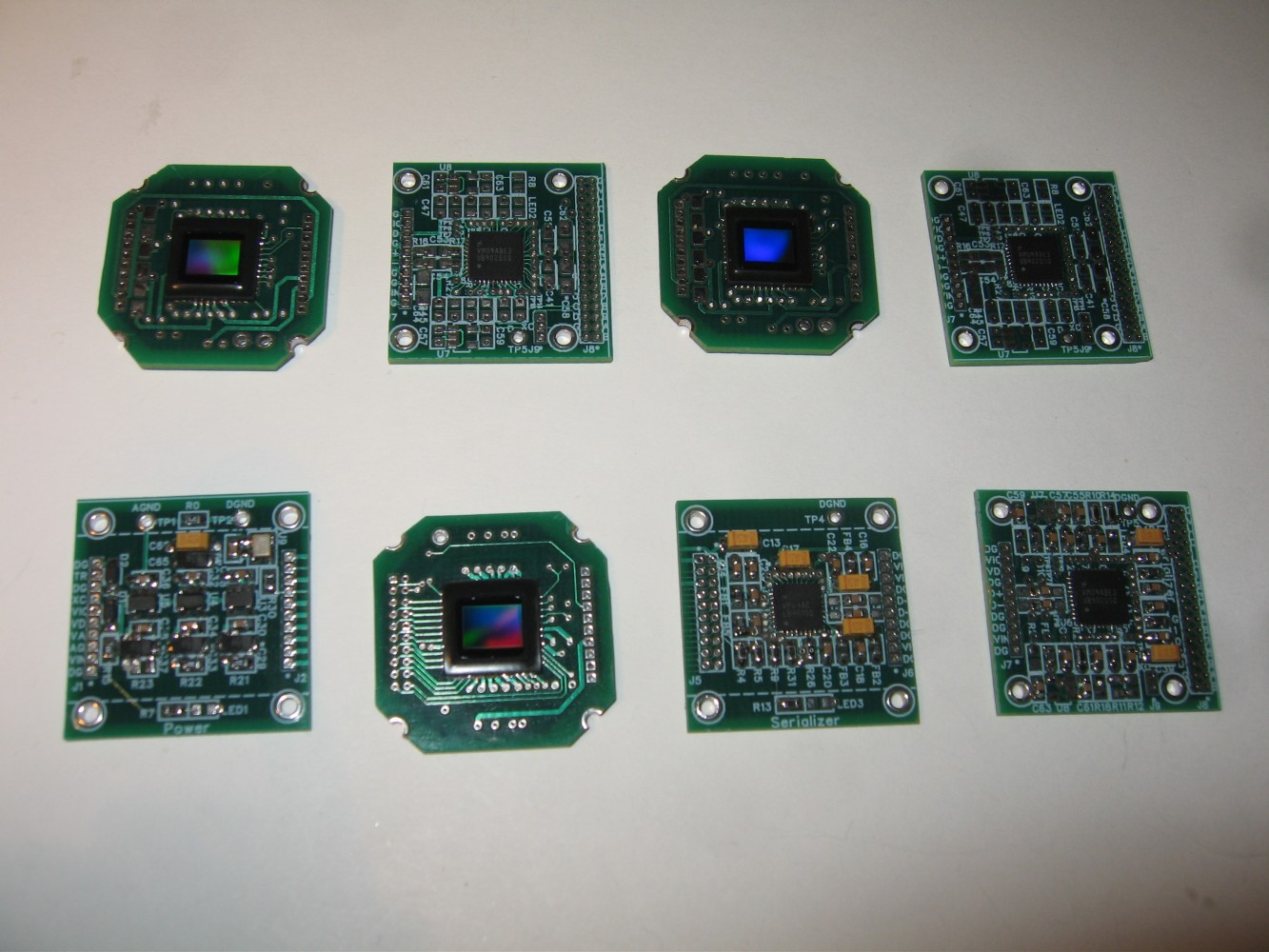
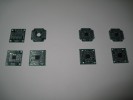 HDcam Rev 2 PCBs with chips
August 2011 - Rev 2 Delivered / Rev 3 Design
In August, Rev 2 was delivered and Rev 3 design started.
On August 3, Rev 1 #2 was delivered to the SOC for sensor testing by students.
On August 8, Rev 2 assembly was finished; testing and debugging took a week.
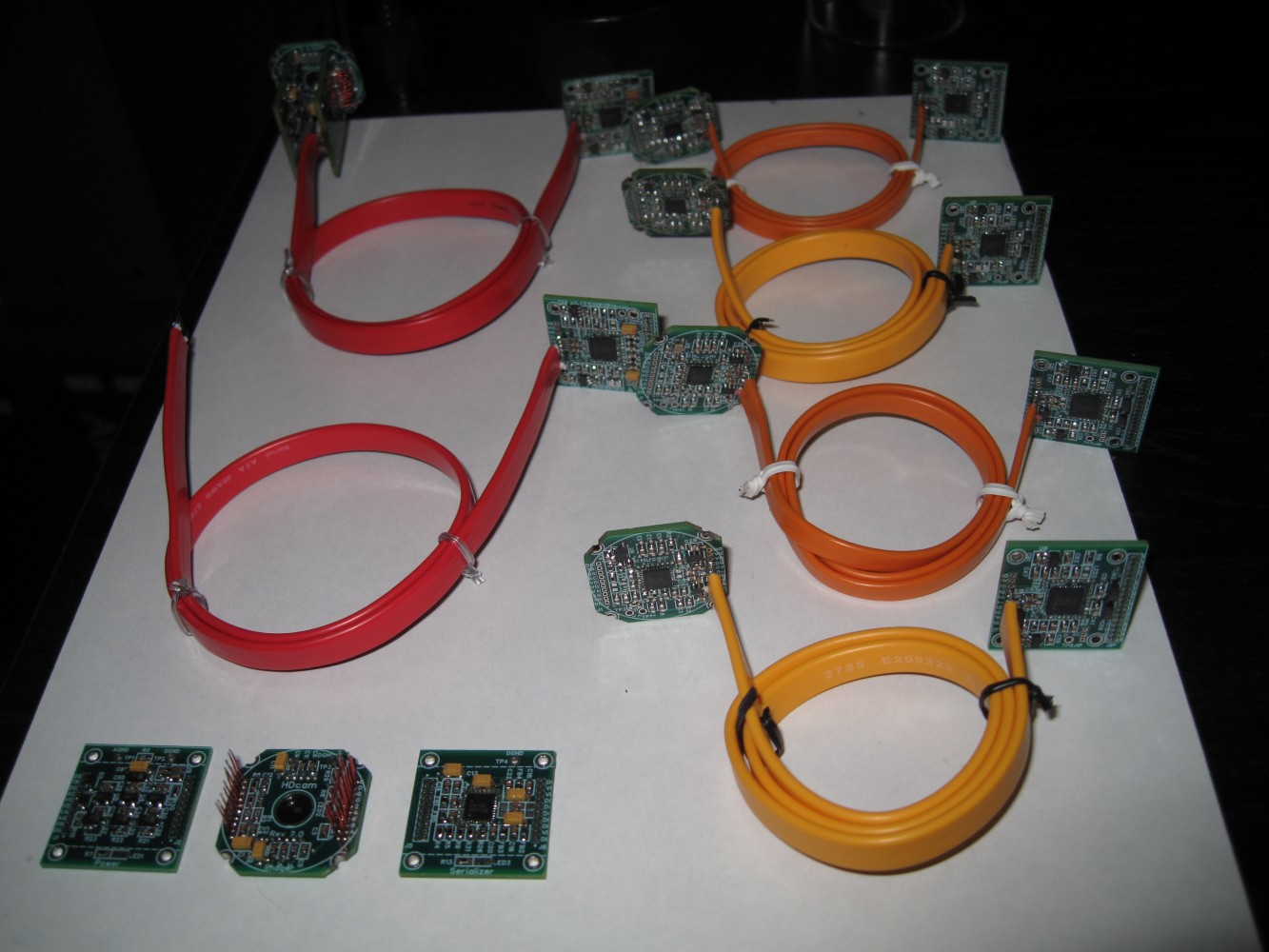
On August 17, first Rev 2 camera was delivered to Chuck; two more a week later.
On August 26, Rev 3 design and integration was discussed and layout started.
On August 26, there was also a change to the OPI contract specs.
On August 27, we captured pseudo-RAW data with missing bits.
On August 31, kernel 2.6.39 and media-ctl were mentioned as utils for raw data.
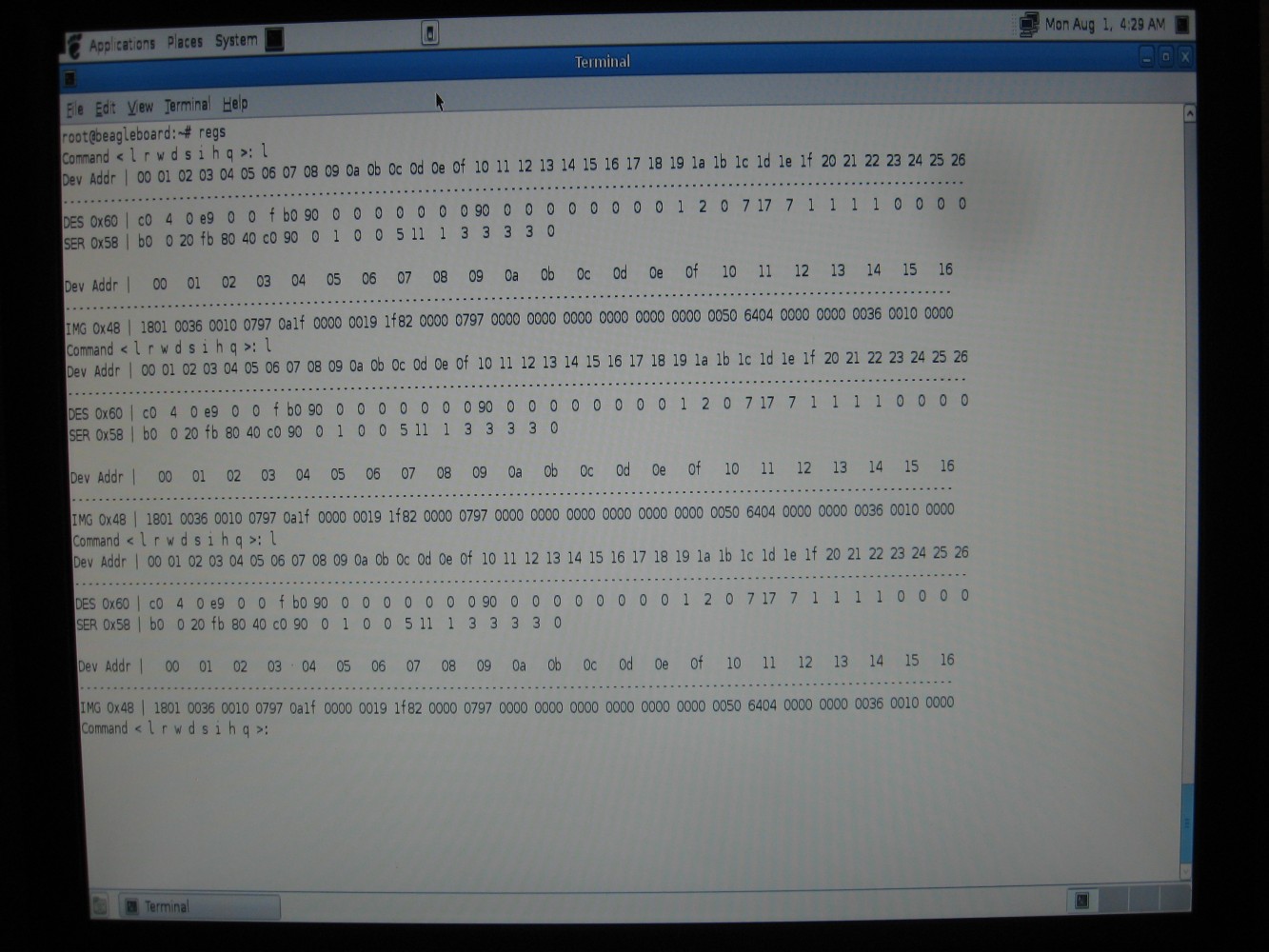
 Register values after I2C fix
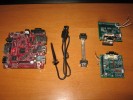 Prototype #2 ready for delivery
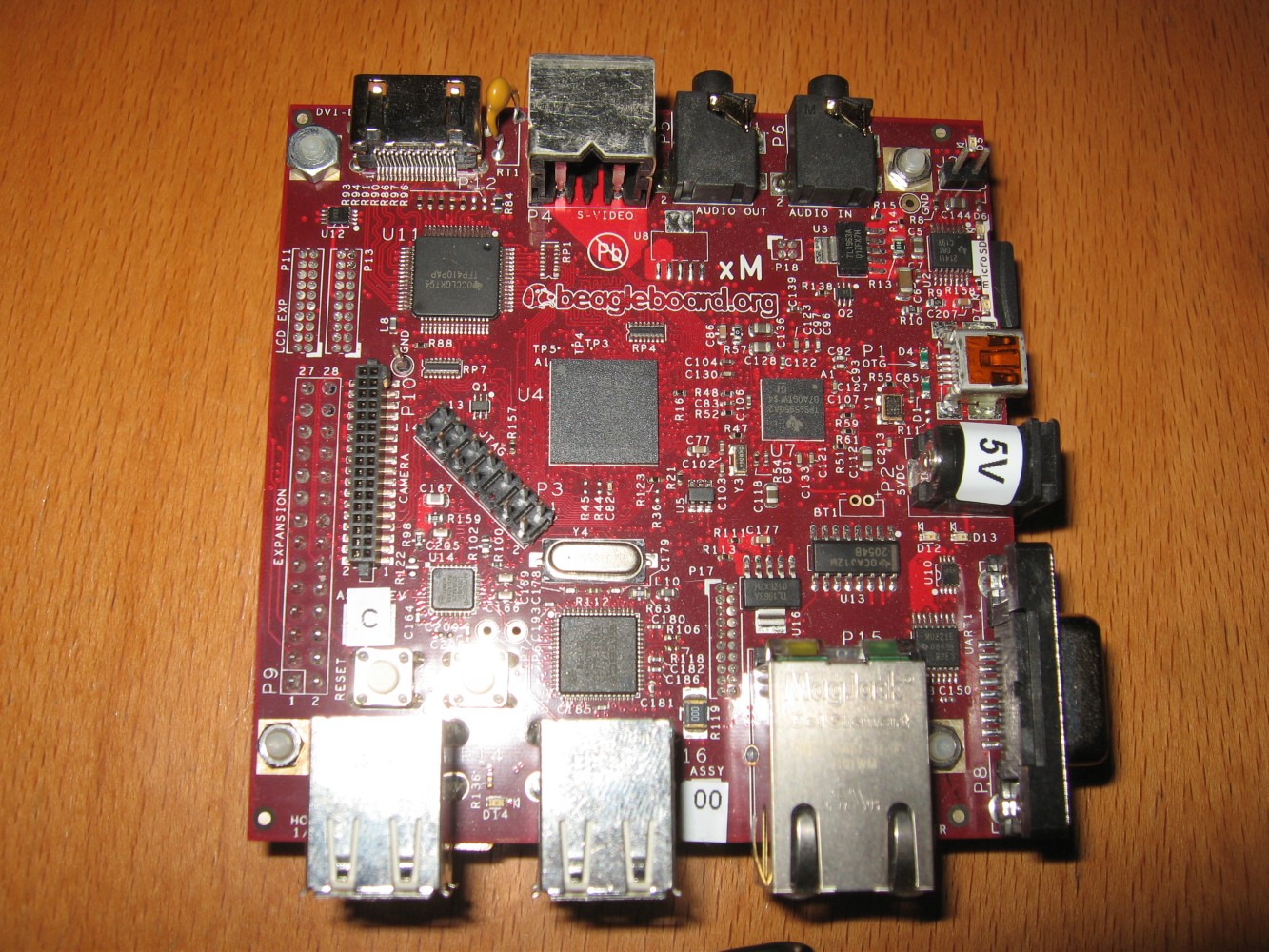
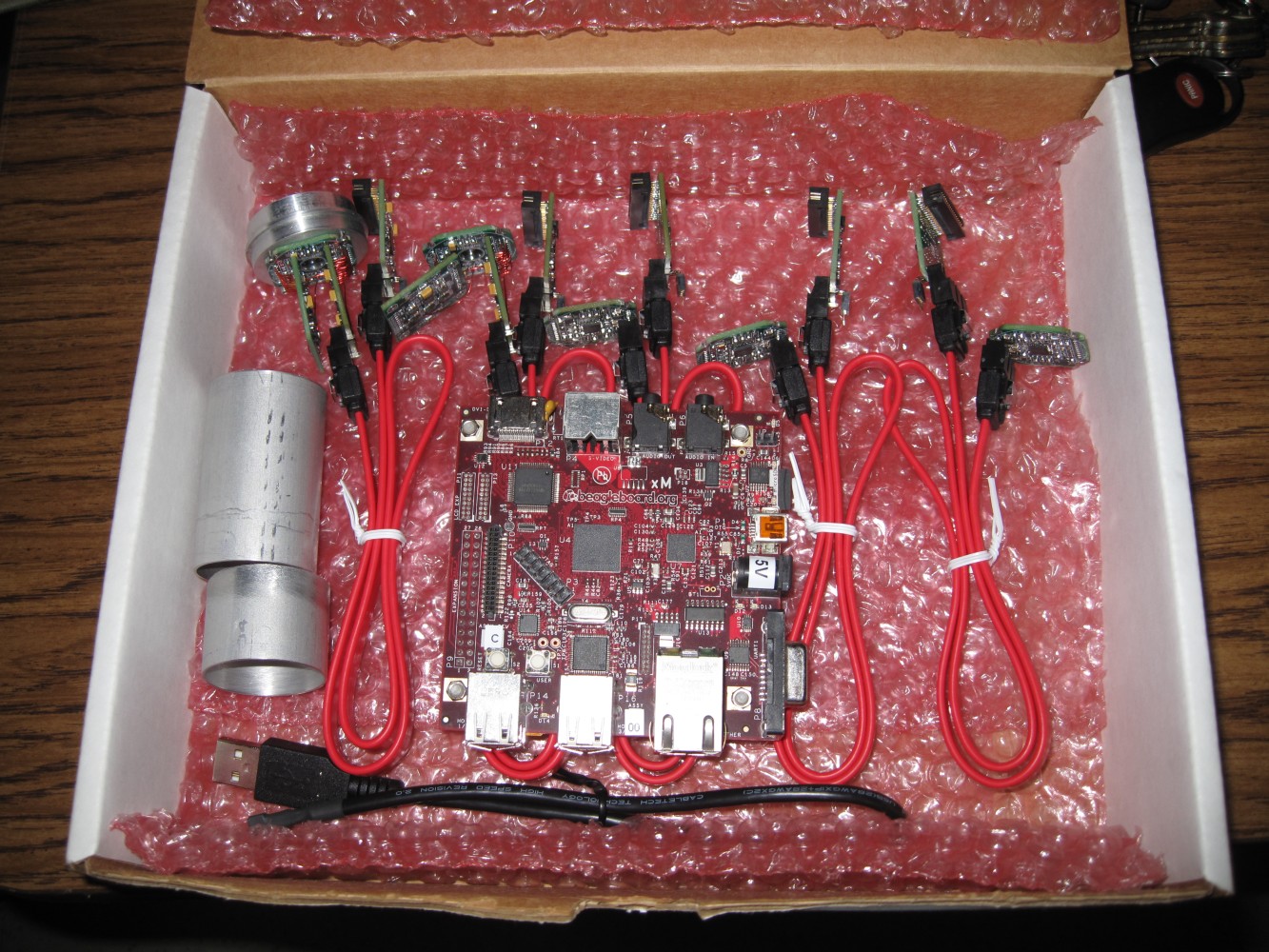
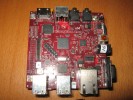 BeagleBoard
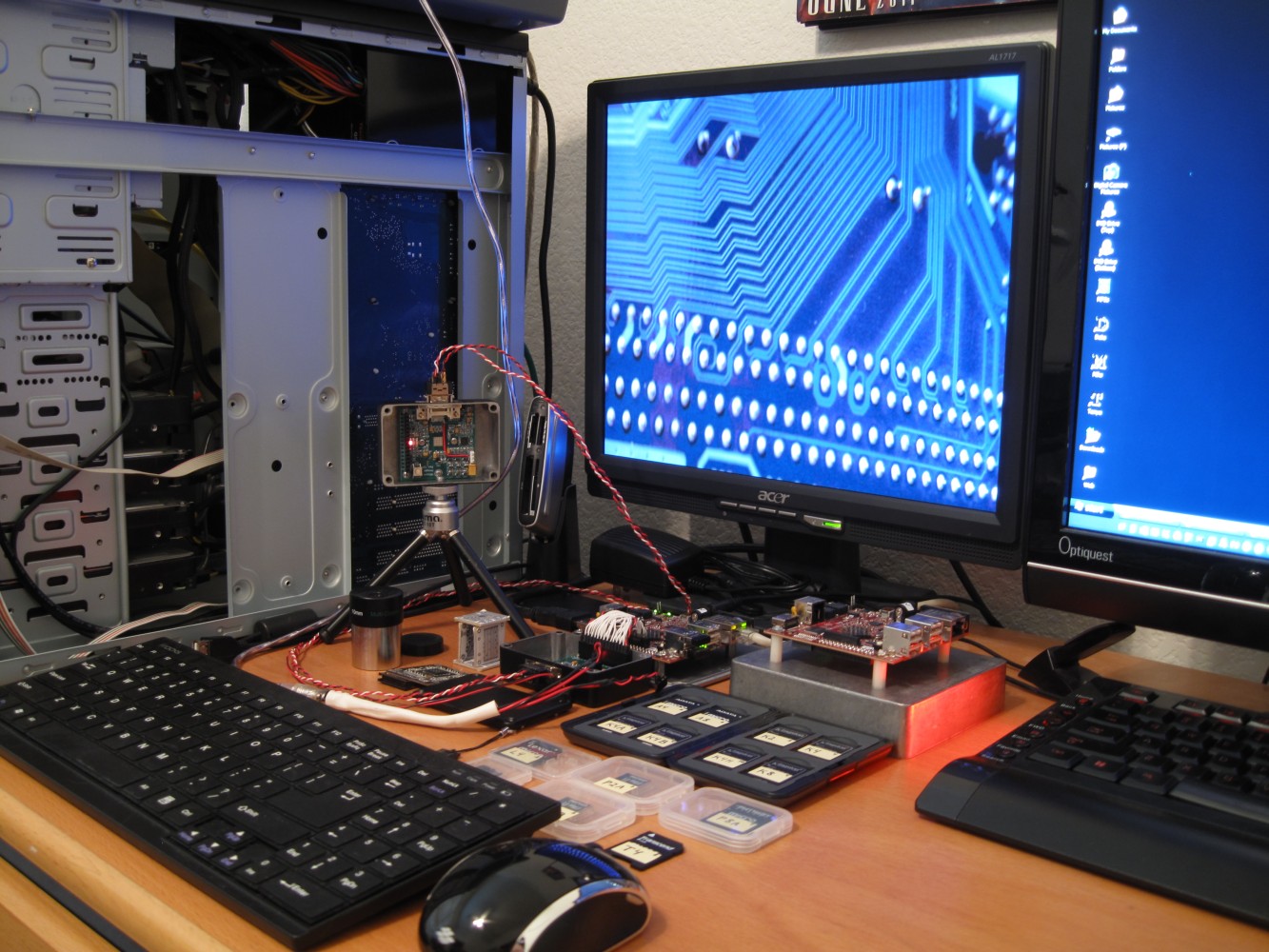
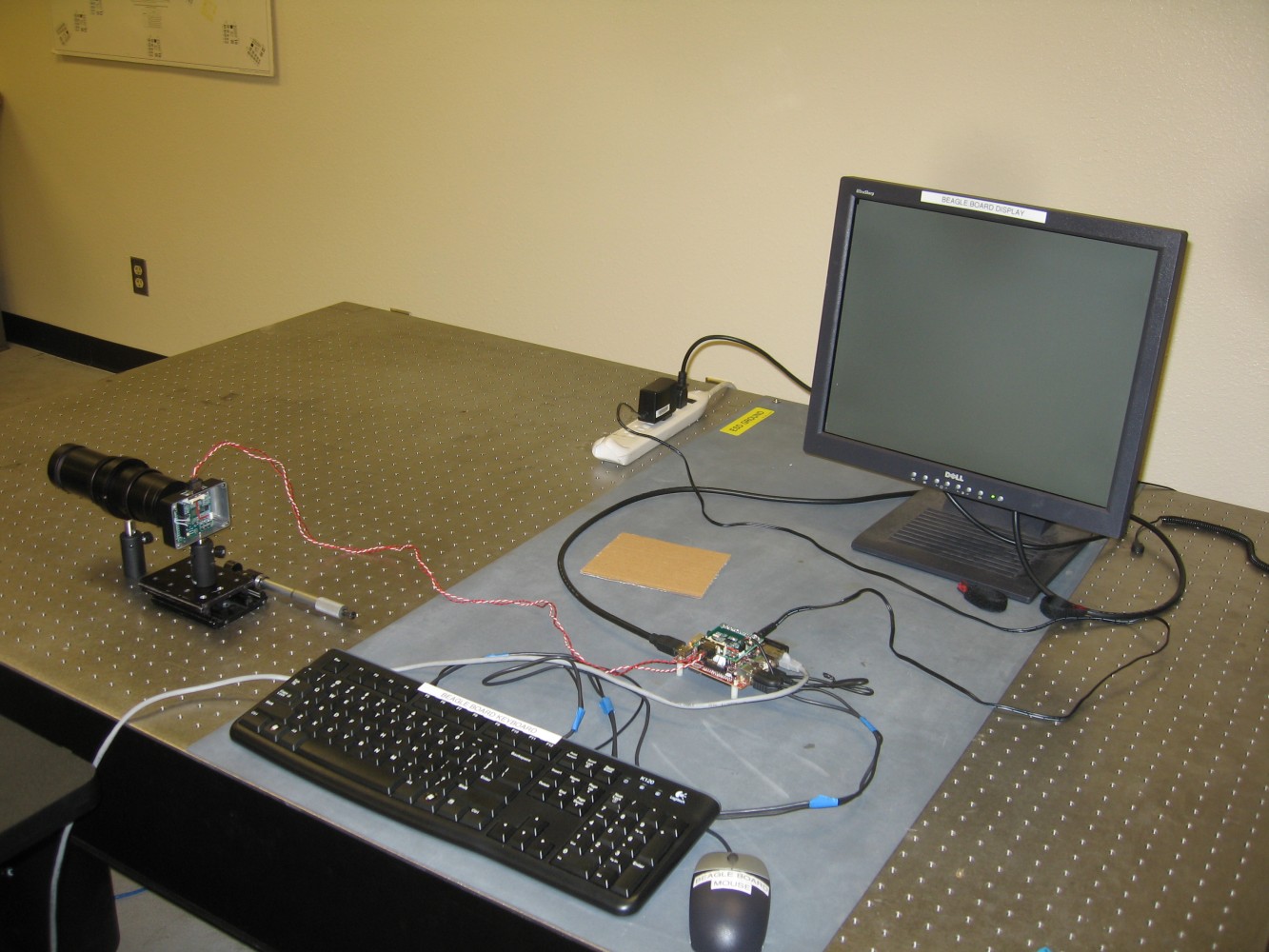
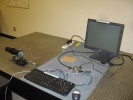 Prototype #2 SOC setup
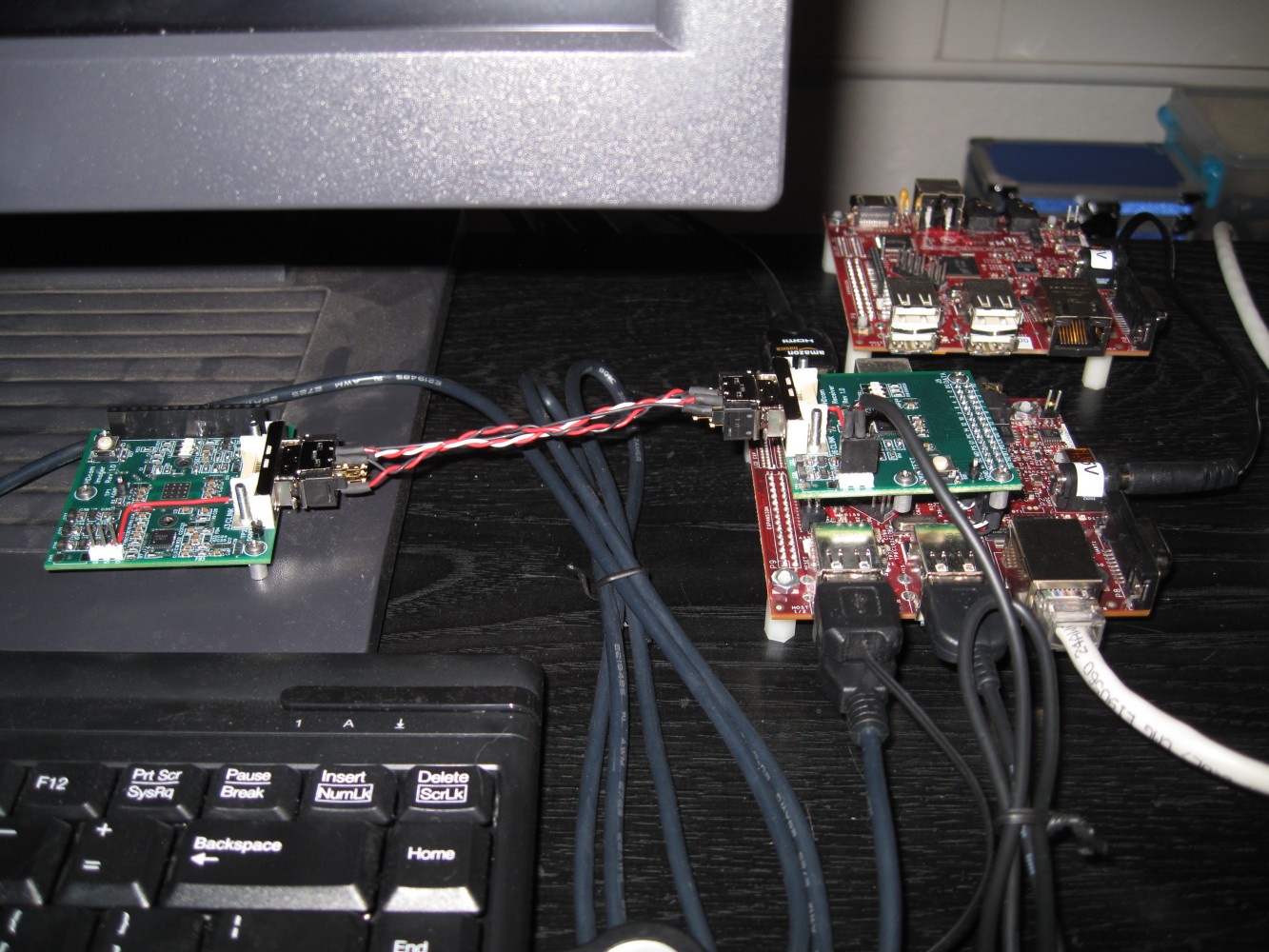
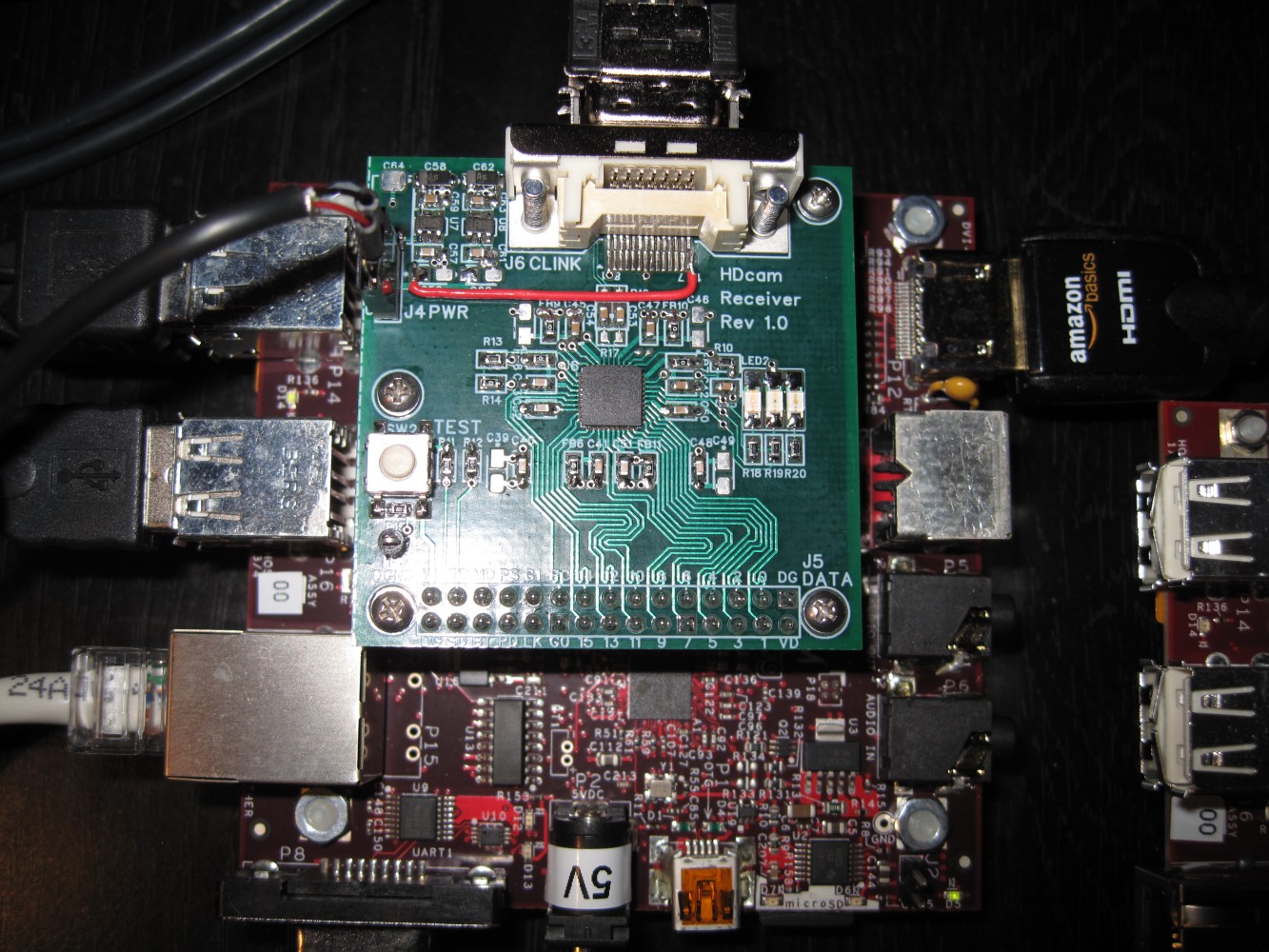
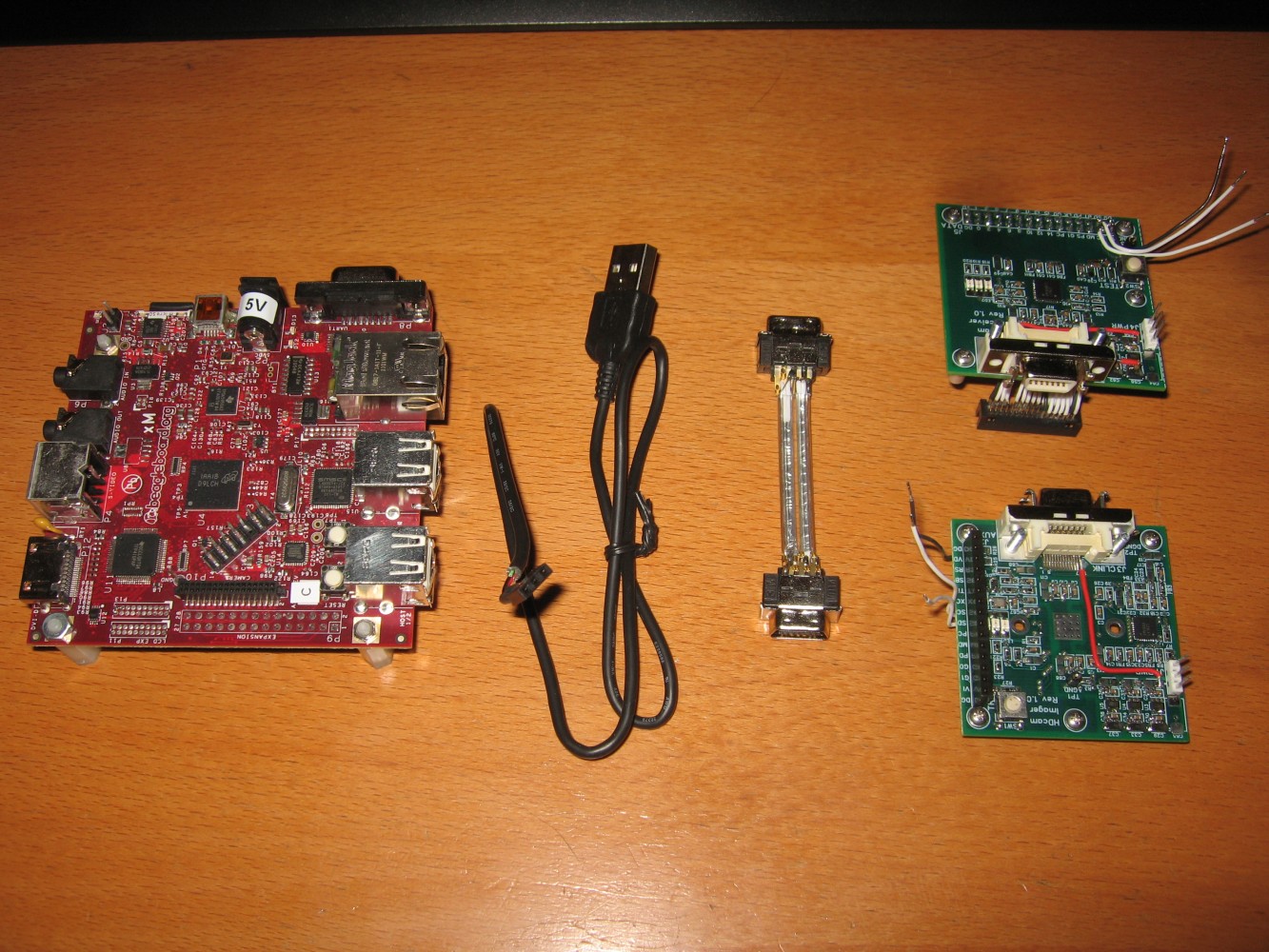
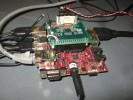 BeagleBoard and Receiver
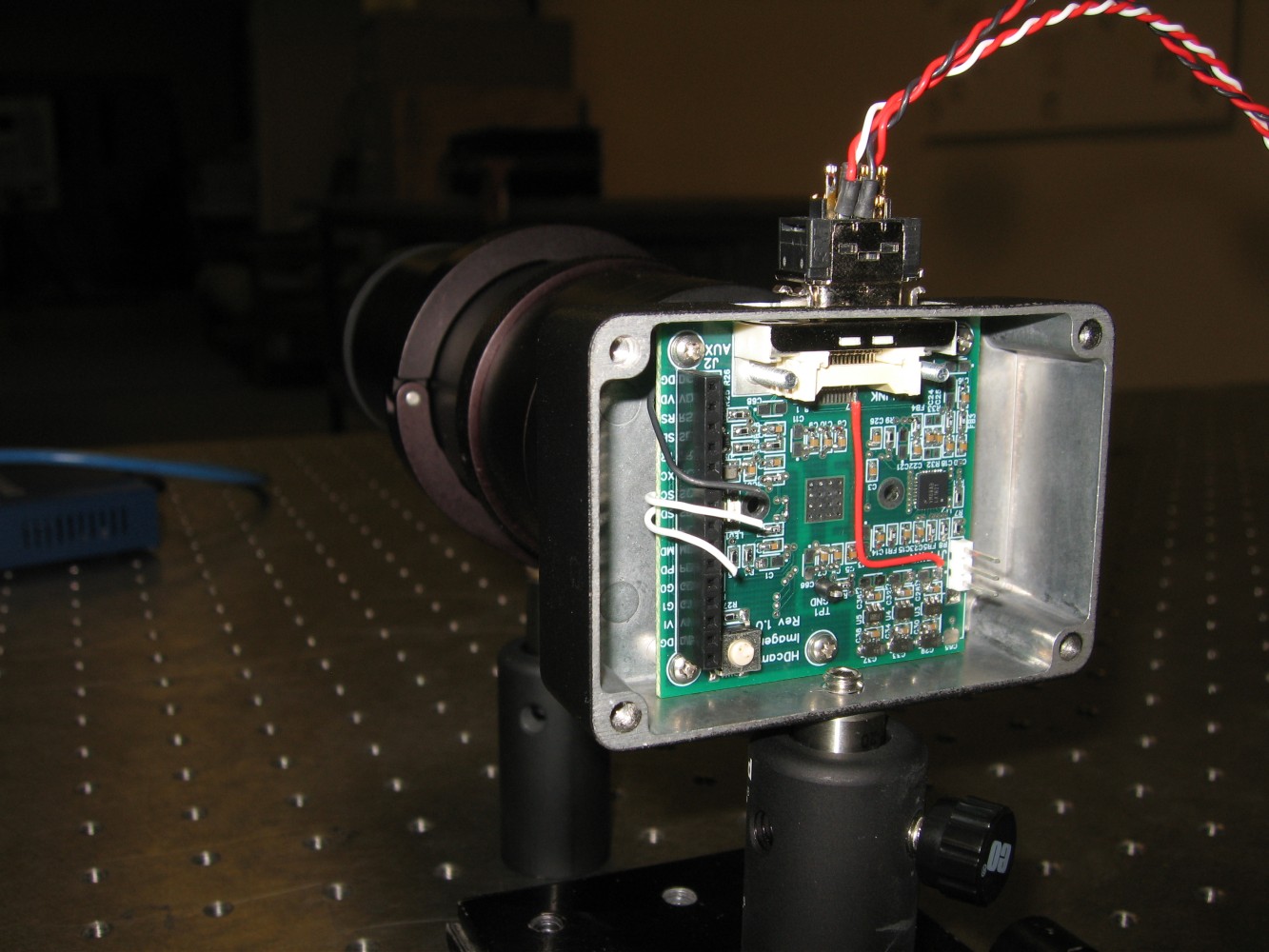
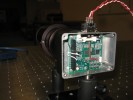 Imager and lens mounted
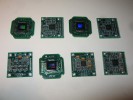 Rev 2 PCBs assembled
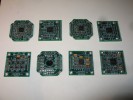 Rev 2.0 PCBs all soldered
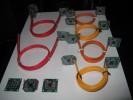 Rev 2 PCBs wired
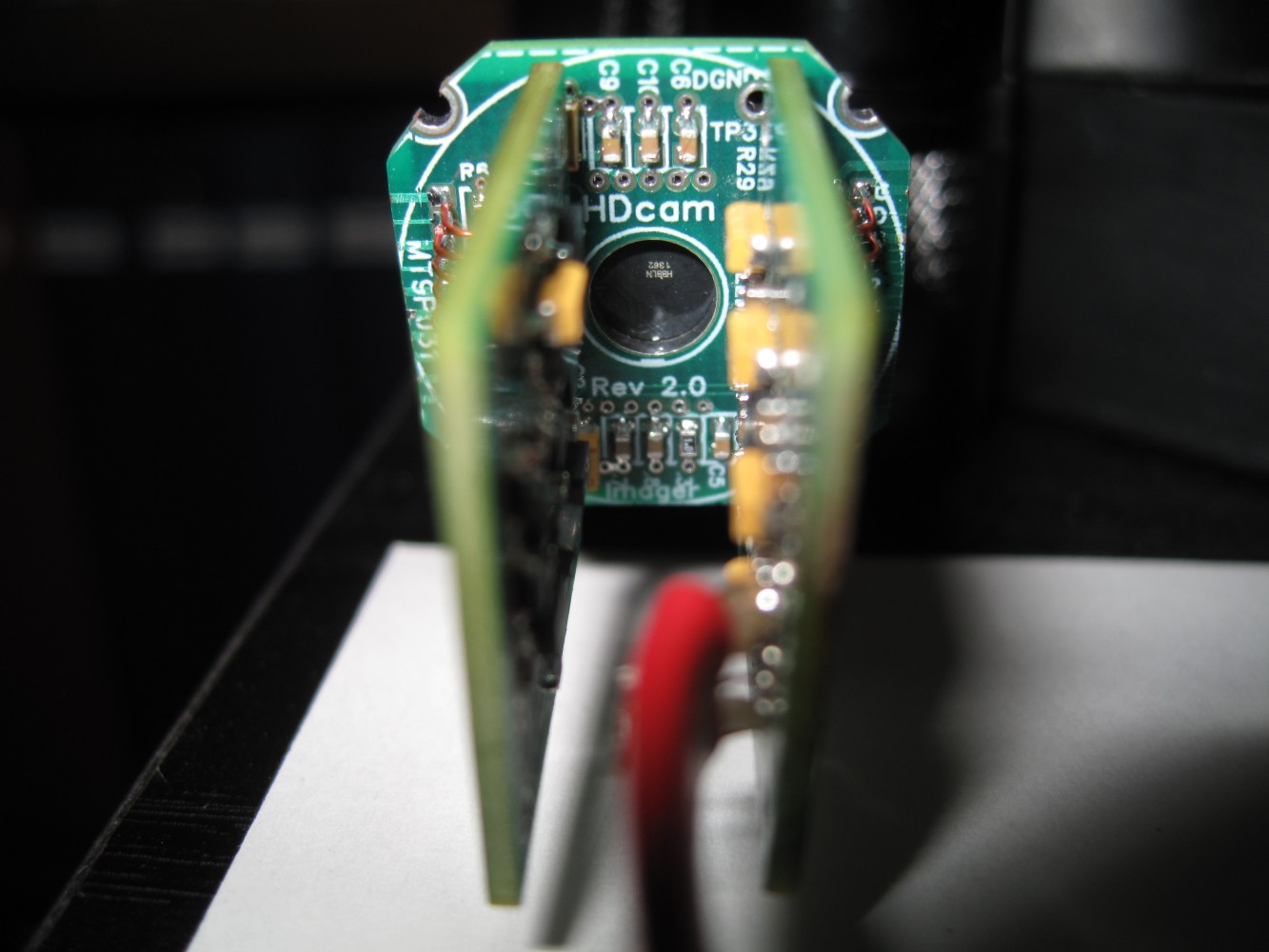
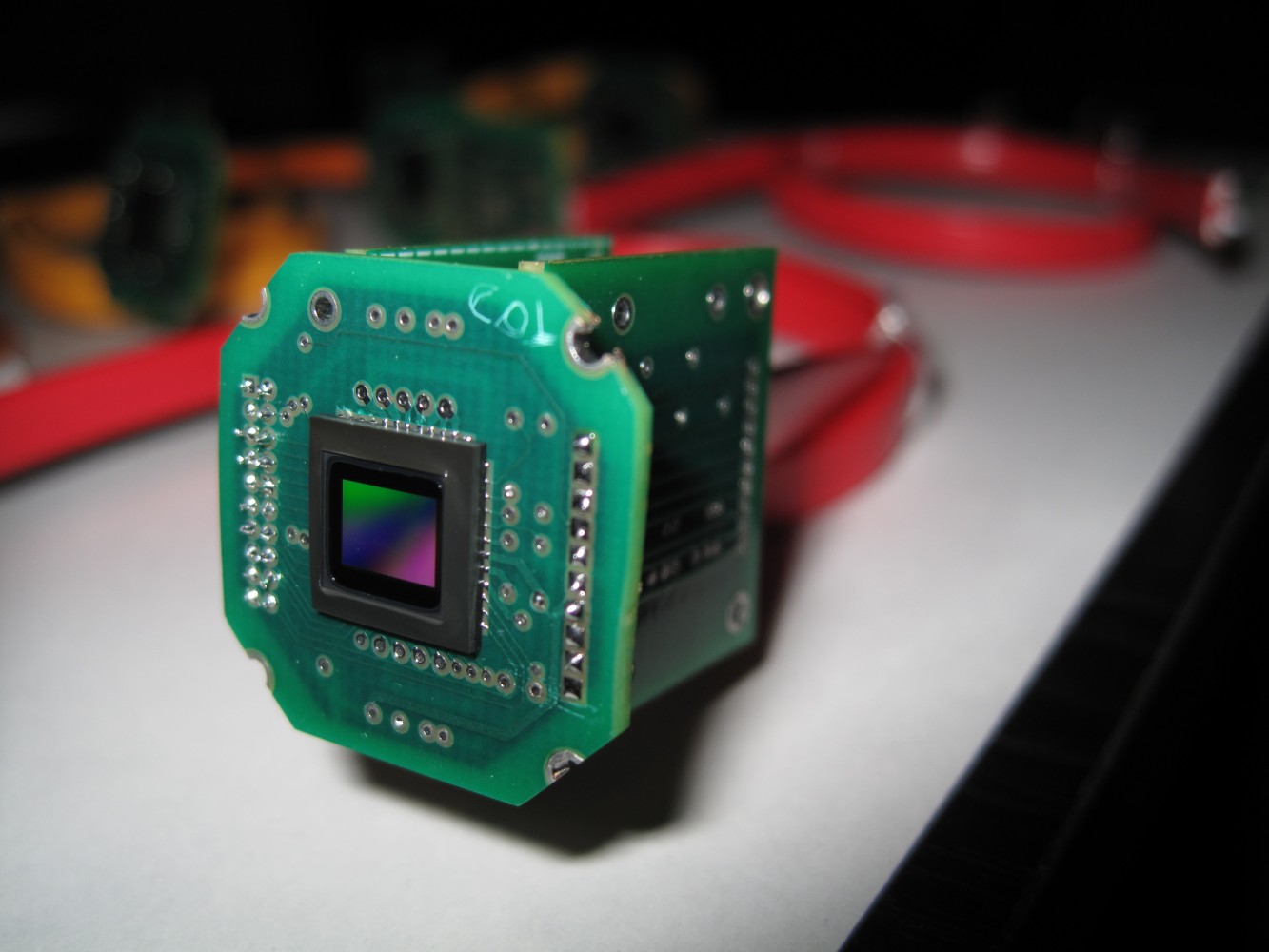
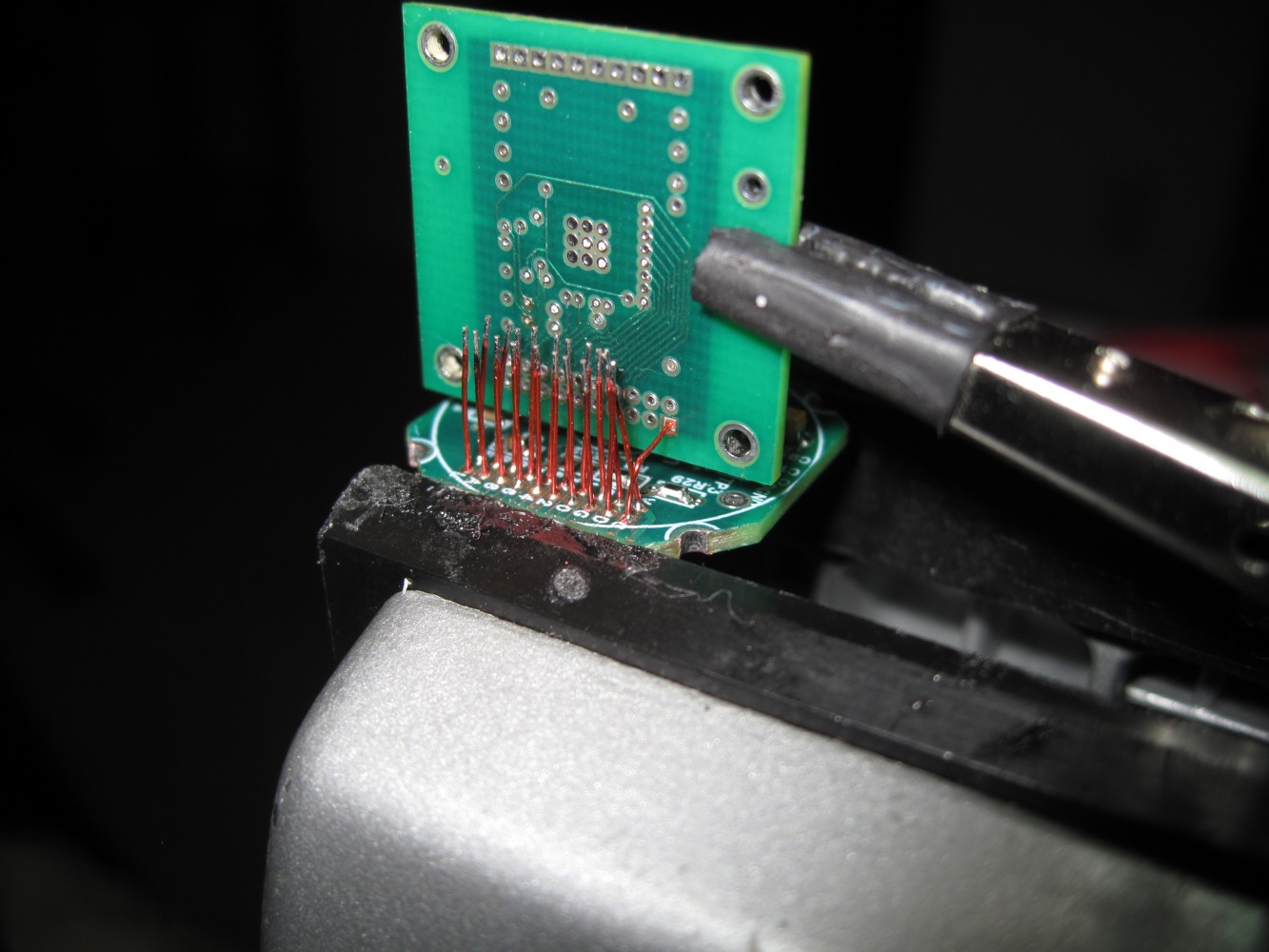
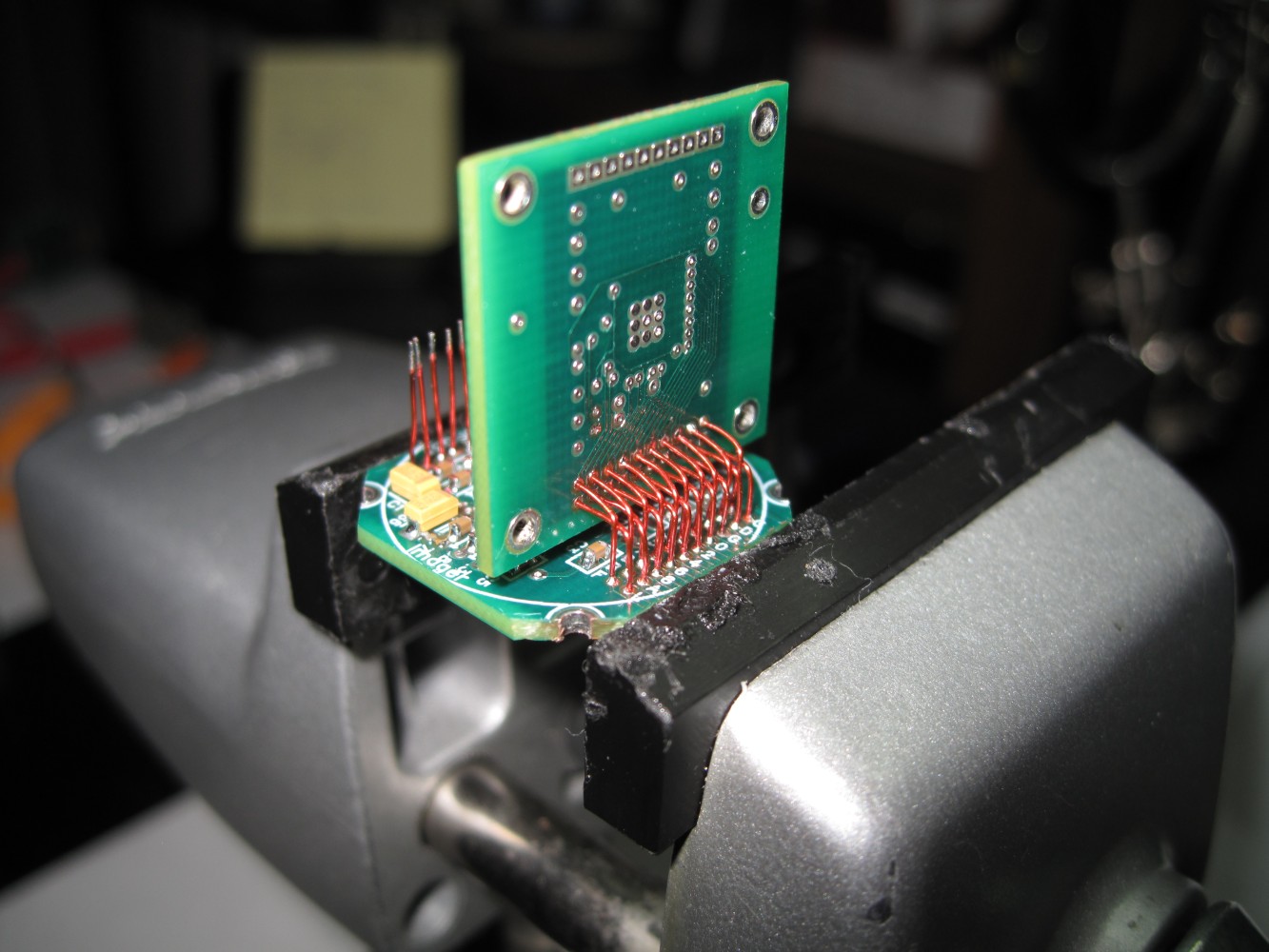
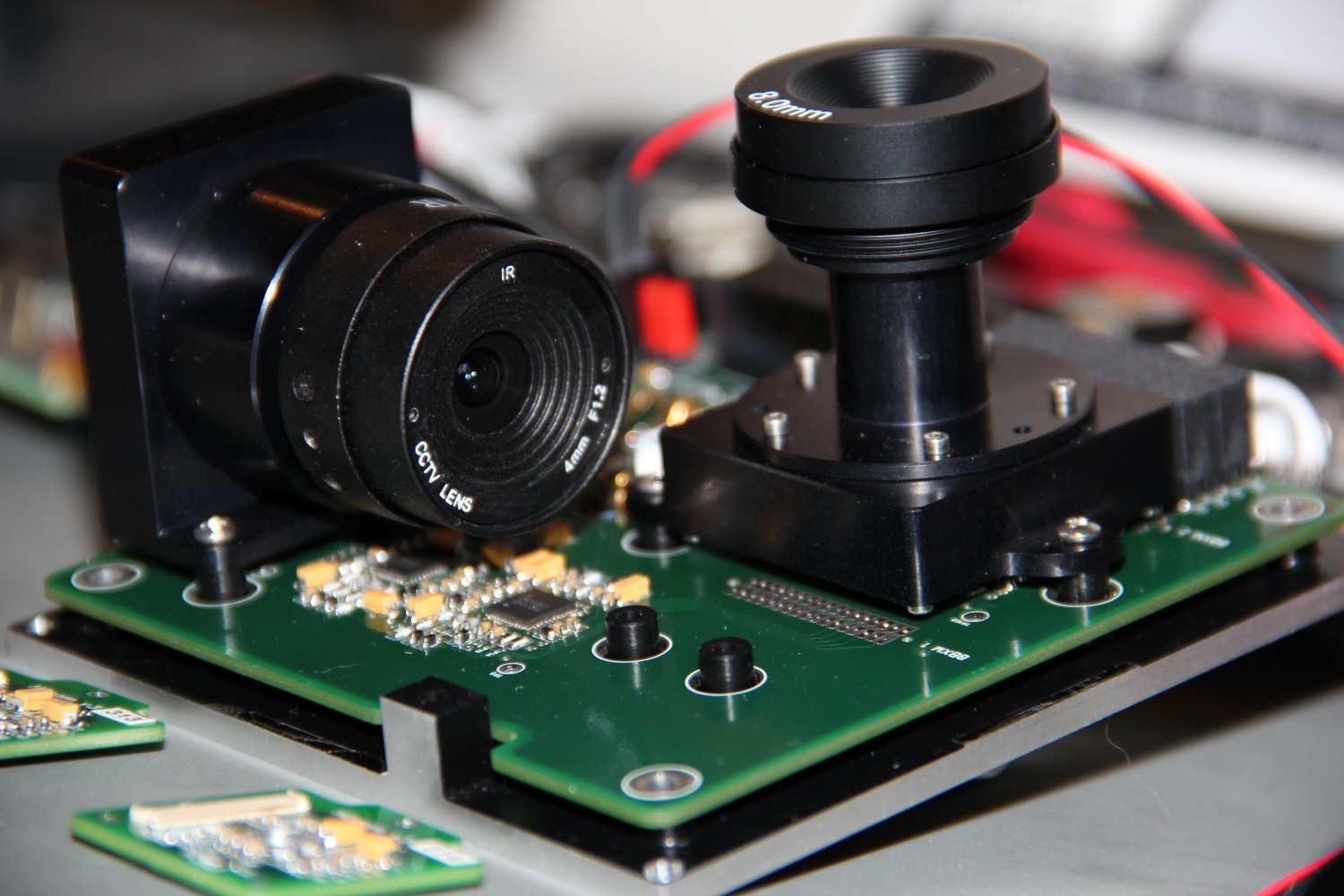
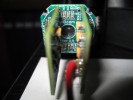 HDcam Rev 2.0 close-up
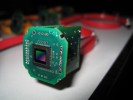 HDcam Rev 2.0 close-up
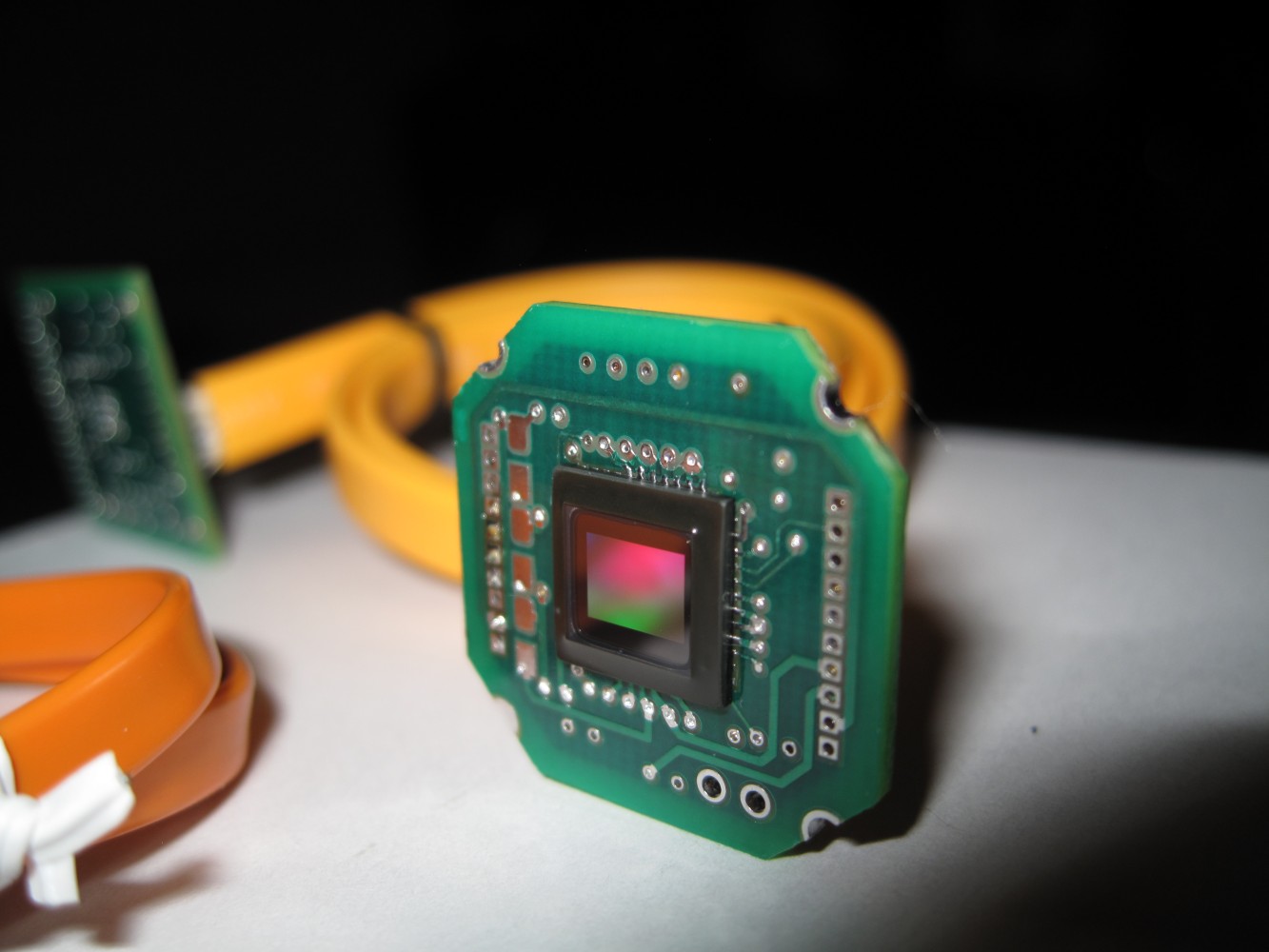
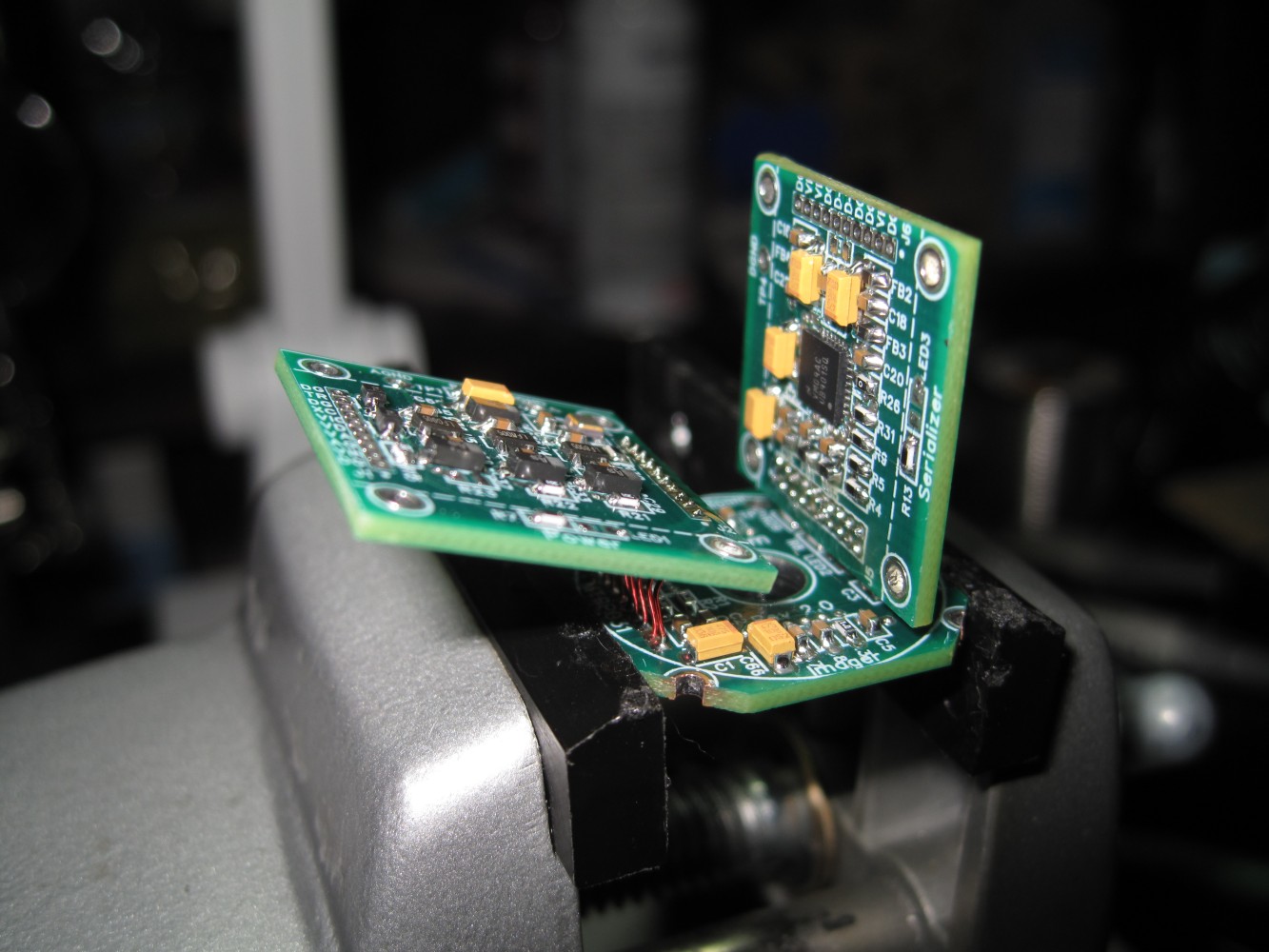
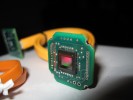 HDcam Rev 2.1 close-up
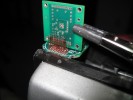 Rev 2.0 PCB assembly
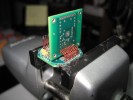 Rev 2.0 PCB assembly
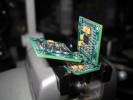 Rev 2.0 PCB assembly
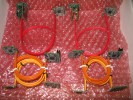 Rev 2.0 PCBs all assembled
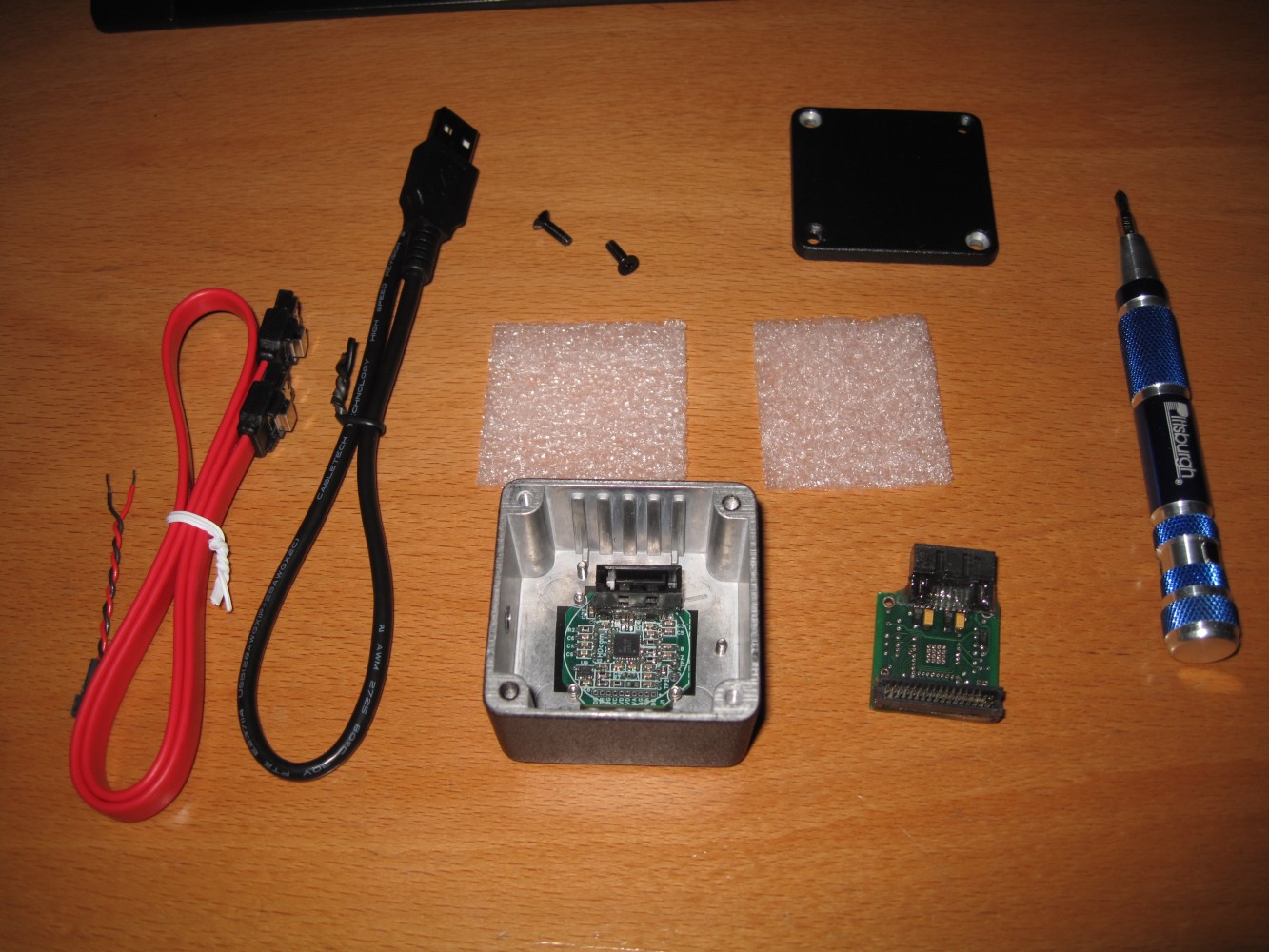
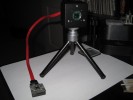 Rev 2.1 mounted in box
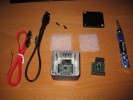 Rev 2.1 ready for delivery
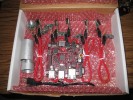 Cameras in the box
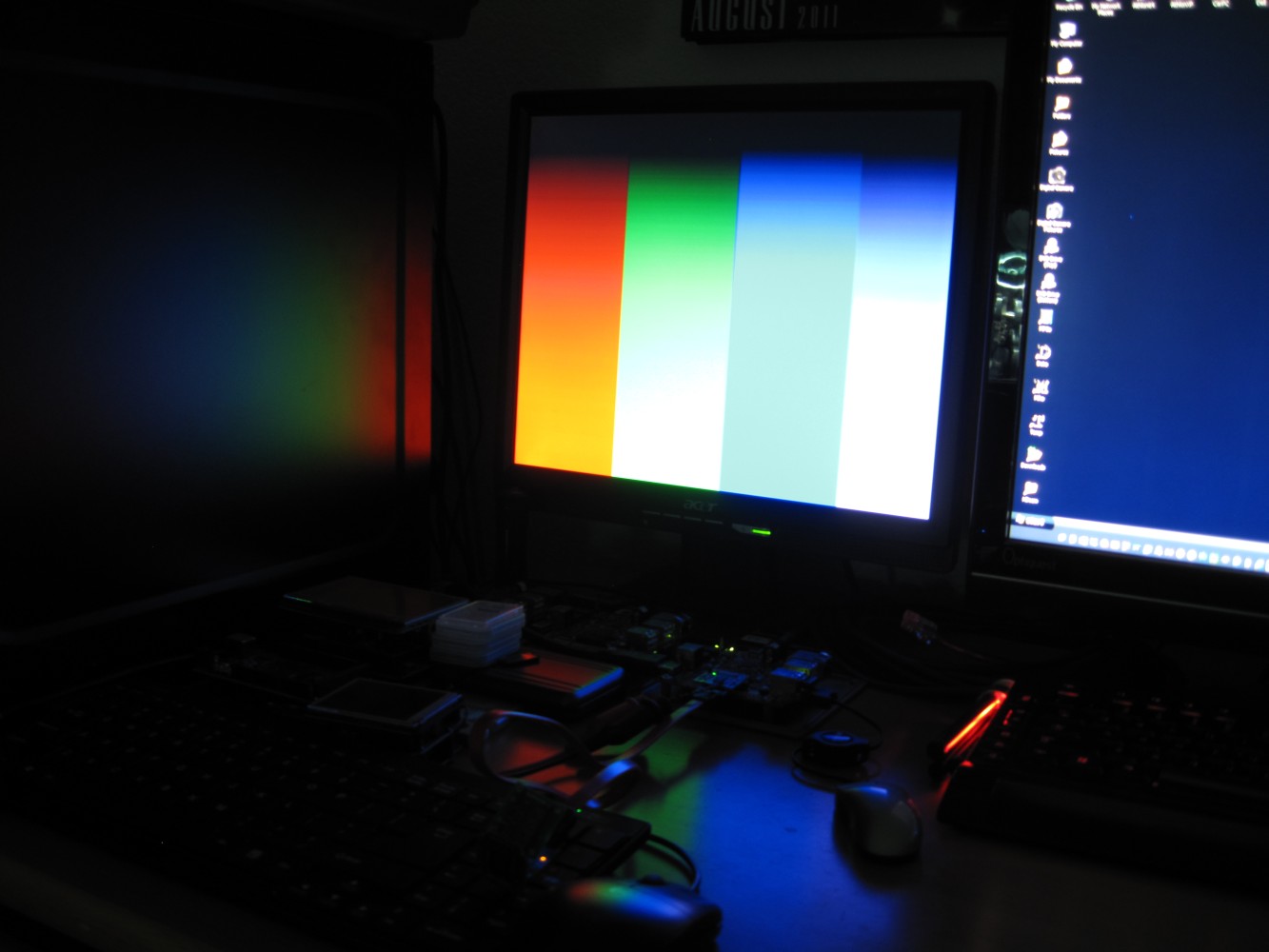
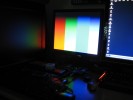 Colorbars glow
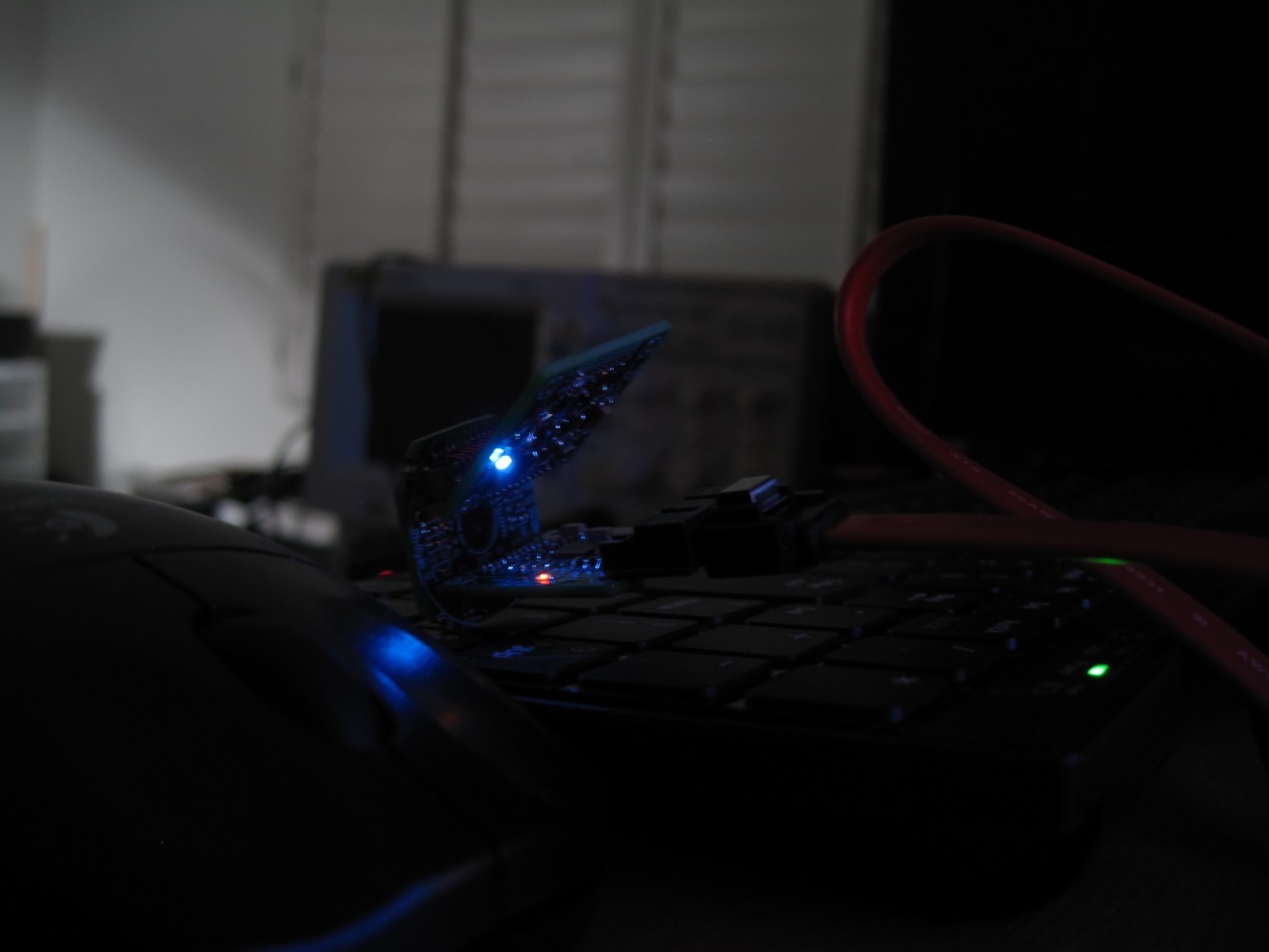
 Camera in the dark
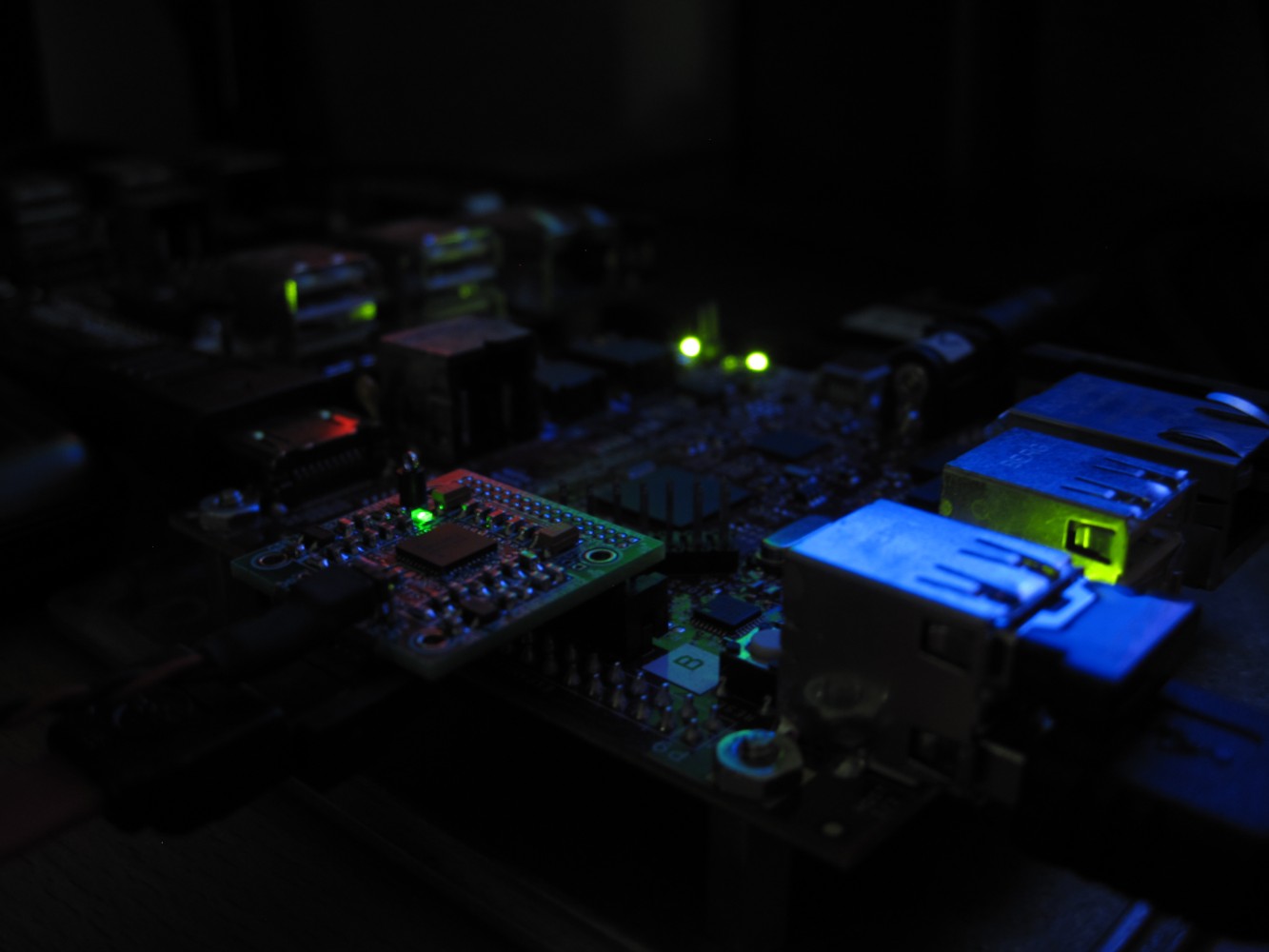
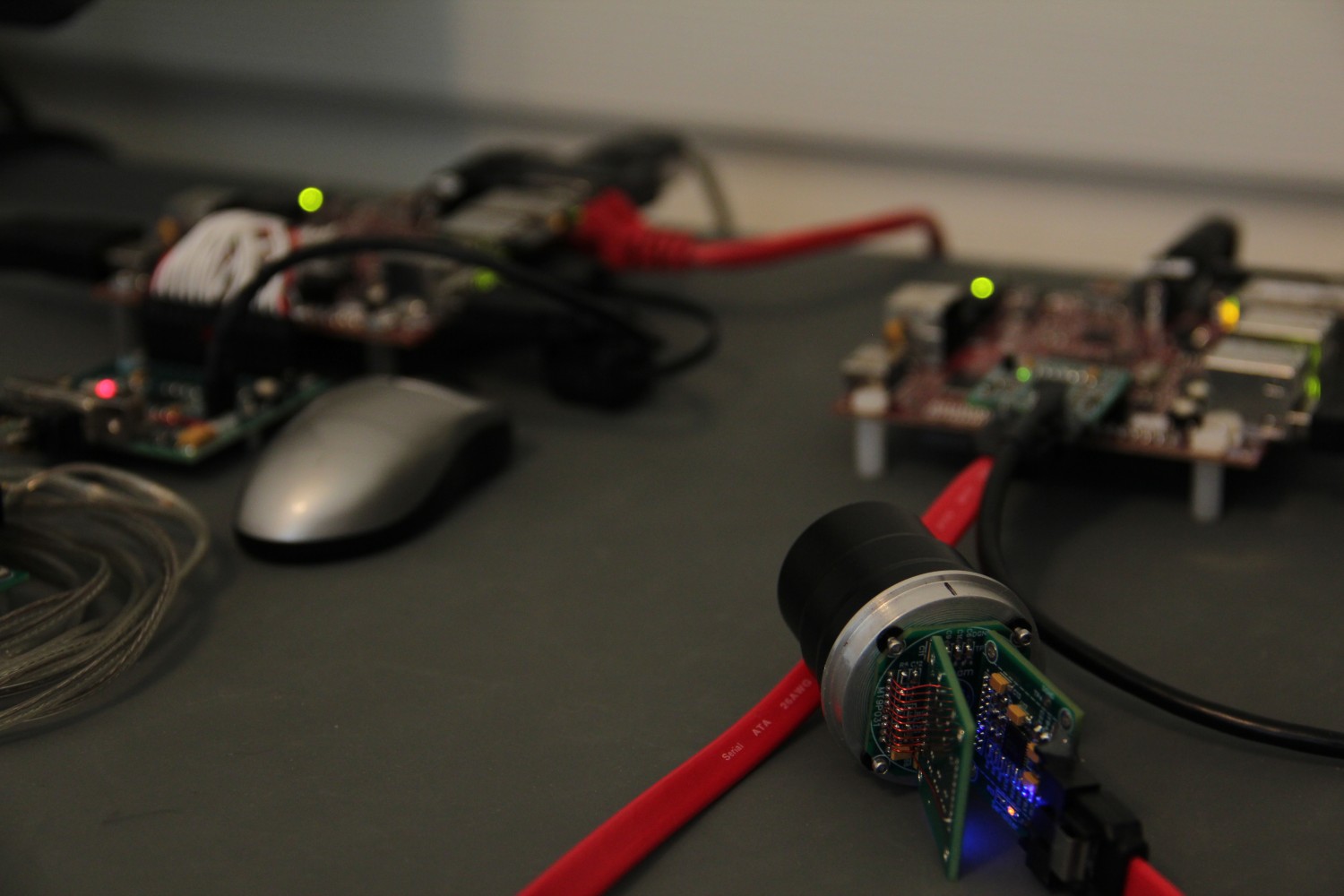
 Beagle in the dark
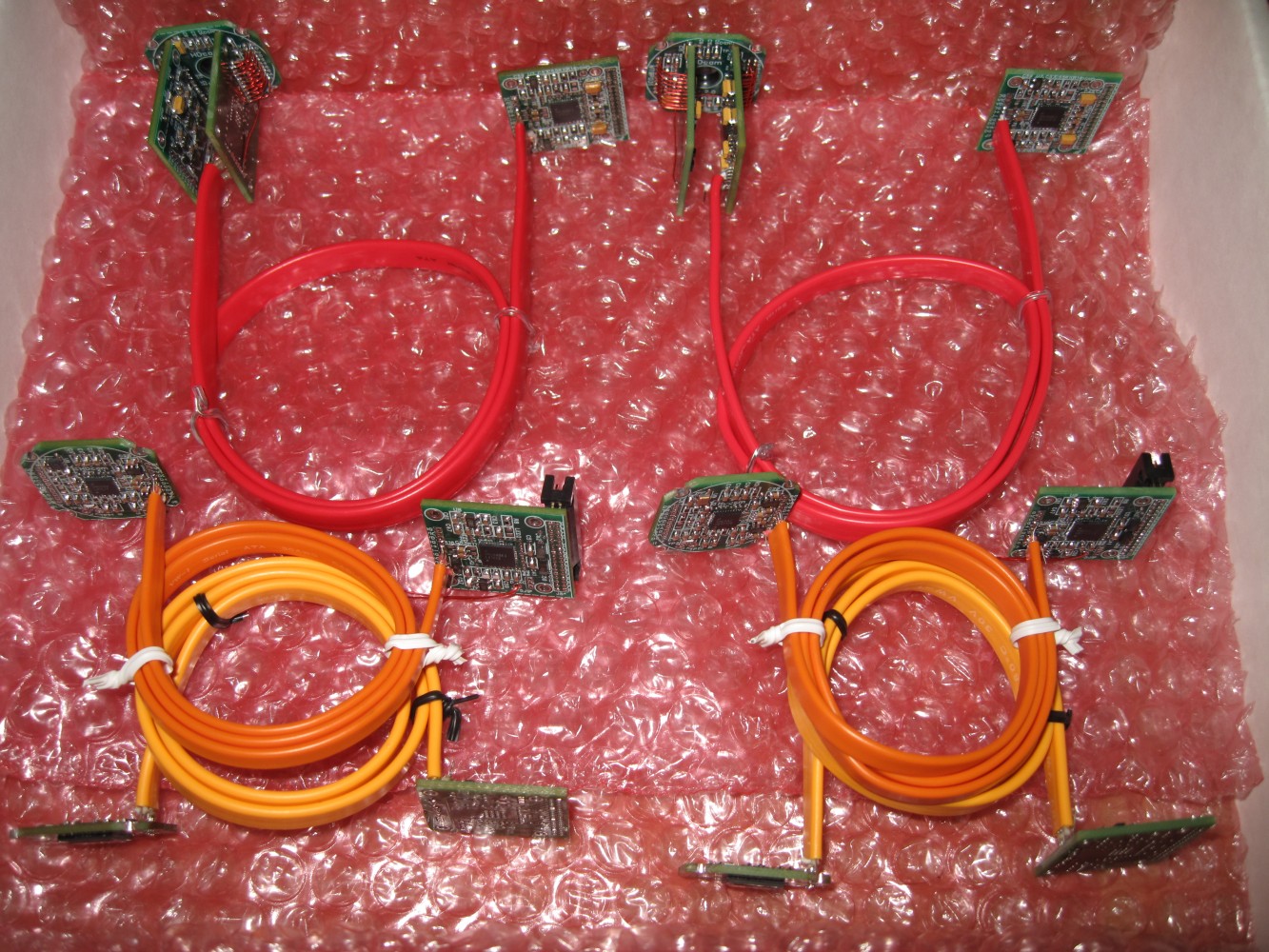
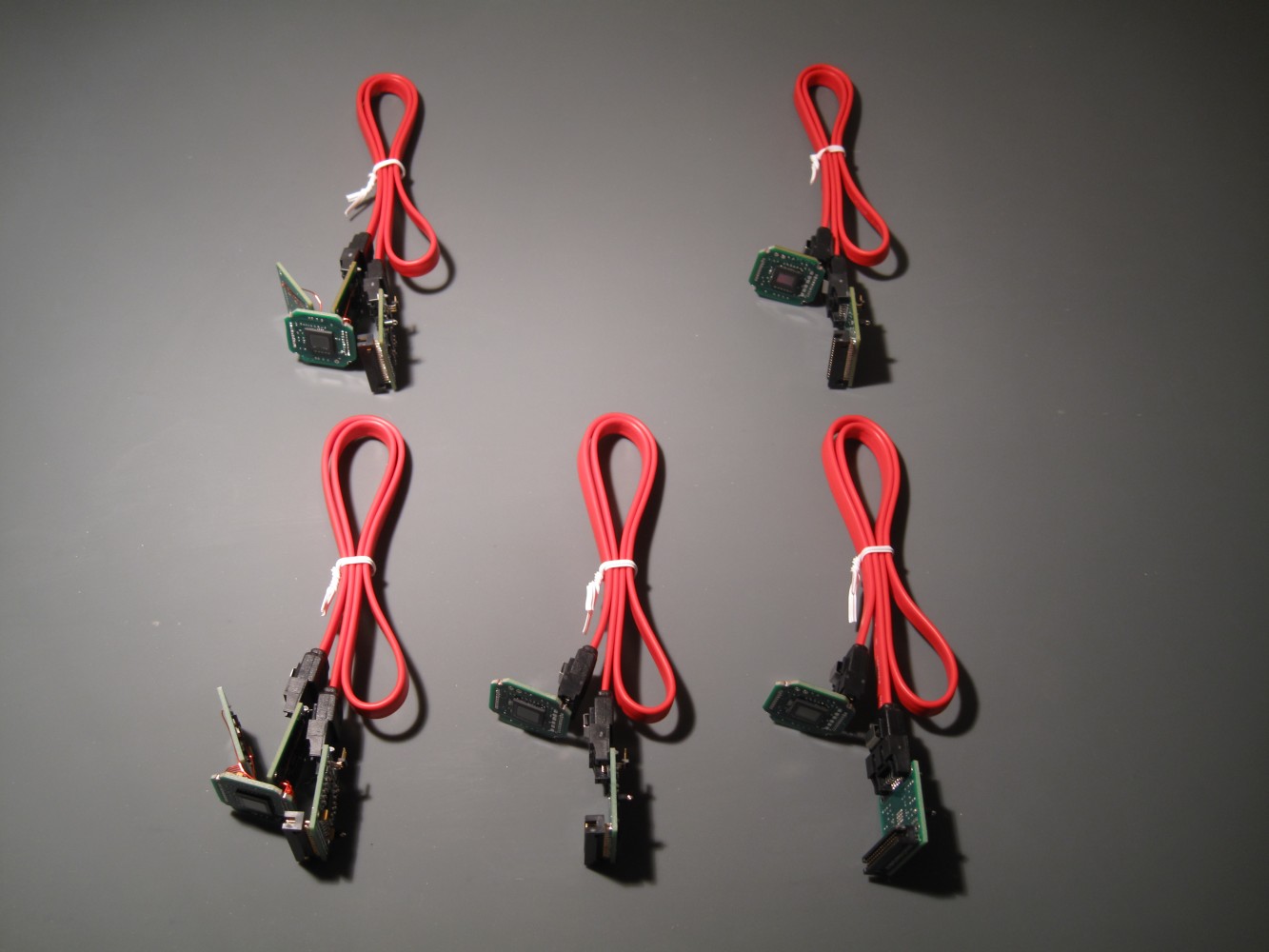
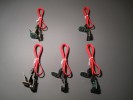 Rev 2 cameras
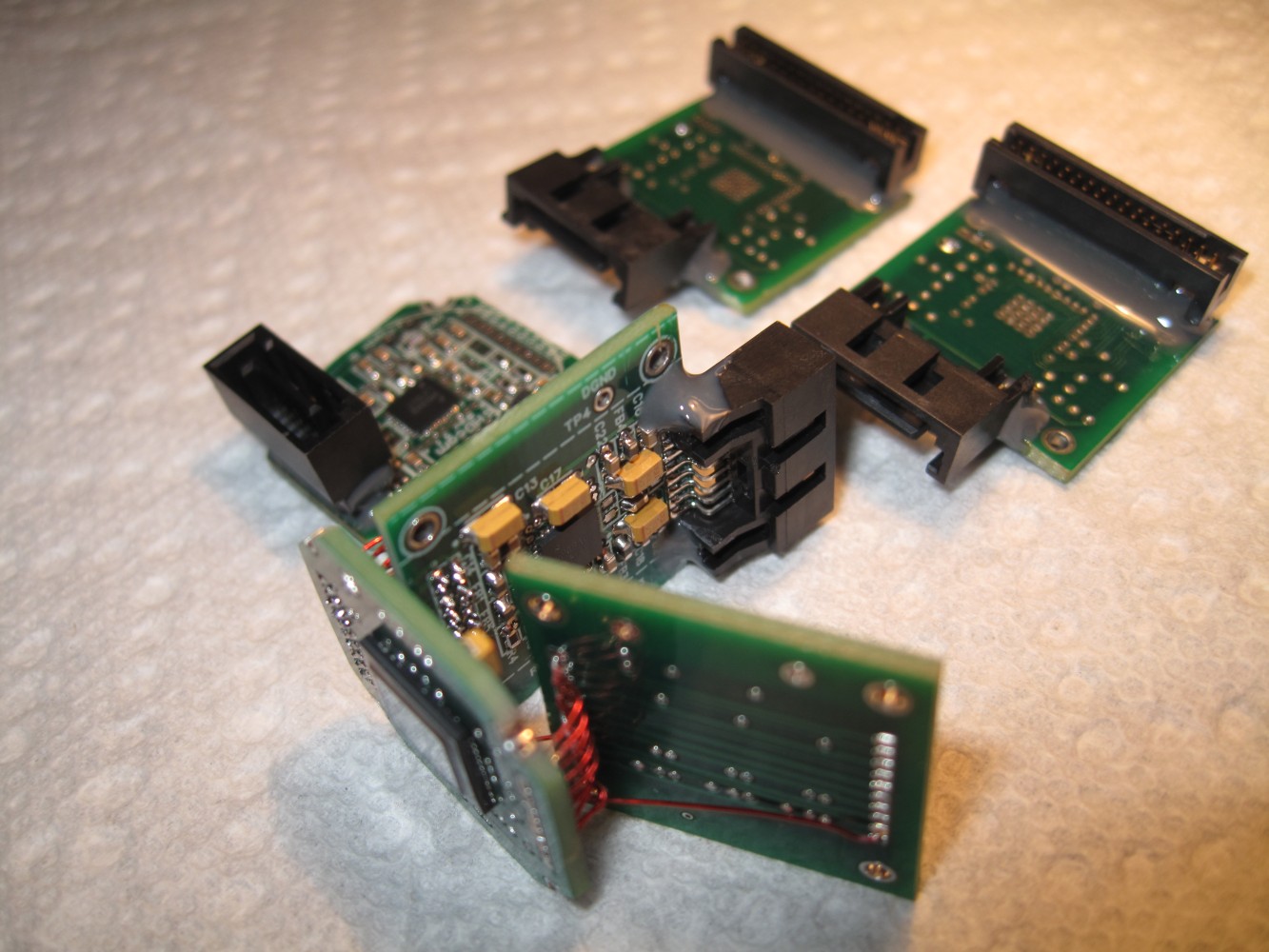
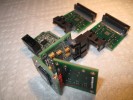 Rev 2 cameras epoxied
 Full-frame dim exposure
 Full-frame test exposure
 Full-frame colorbars



September 2011 - Pseudo RAW Data / Old Kernel
In September, we studied the OMAP datasheet for RAW data path through the ISP.
The ISP hardware only supports 8/10 bits for Previewer and Resizer data paths.
Data lane shifter allows selection of upper or lower 8/10 of 12 bits, not all.
Upper bits selected by default, decimating the lower bits, resulting in "0" data.
Code written for pseudo-RAW data capture, selecting lower bits for sensitivity.
Need "Data Path C" which sends 12-bit CCDC data strait to memory, bypassing ISP.
On September 10, lightning strikes Bill's house, damaging development computer.
On September 13, Rev 3.1 Imager PCB assembly started, which took a week to do 4.
On September 14, a New Deal for CubeSat was announced from Marcus, ROM generated.
On September 19, we decided on 3 paths moving forward: kernel 32, 39, or 3.0.
On September 5, Rev 3 layout was passed to Raytheon; Mike to work on RAW data.
On October 5, Rev 3.2 layout was passed back to Mike, which took a week.
 Pseudo-RAW data: lower bits
 Pseudo-RAW data: upper bits
 Pseudo-RAW data: picture
 Pseudo-RAW data: colorbars
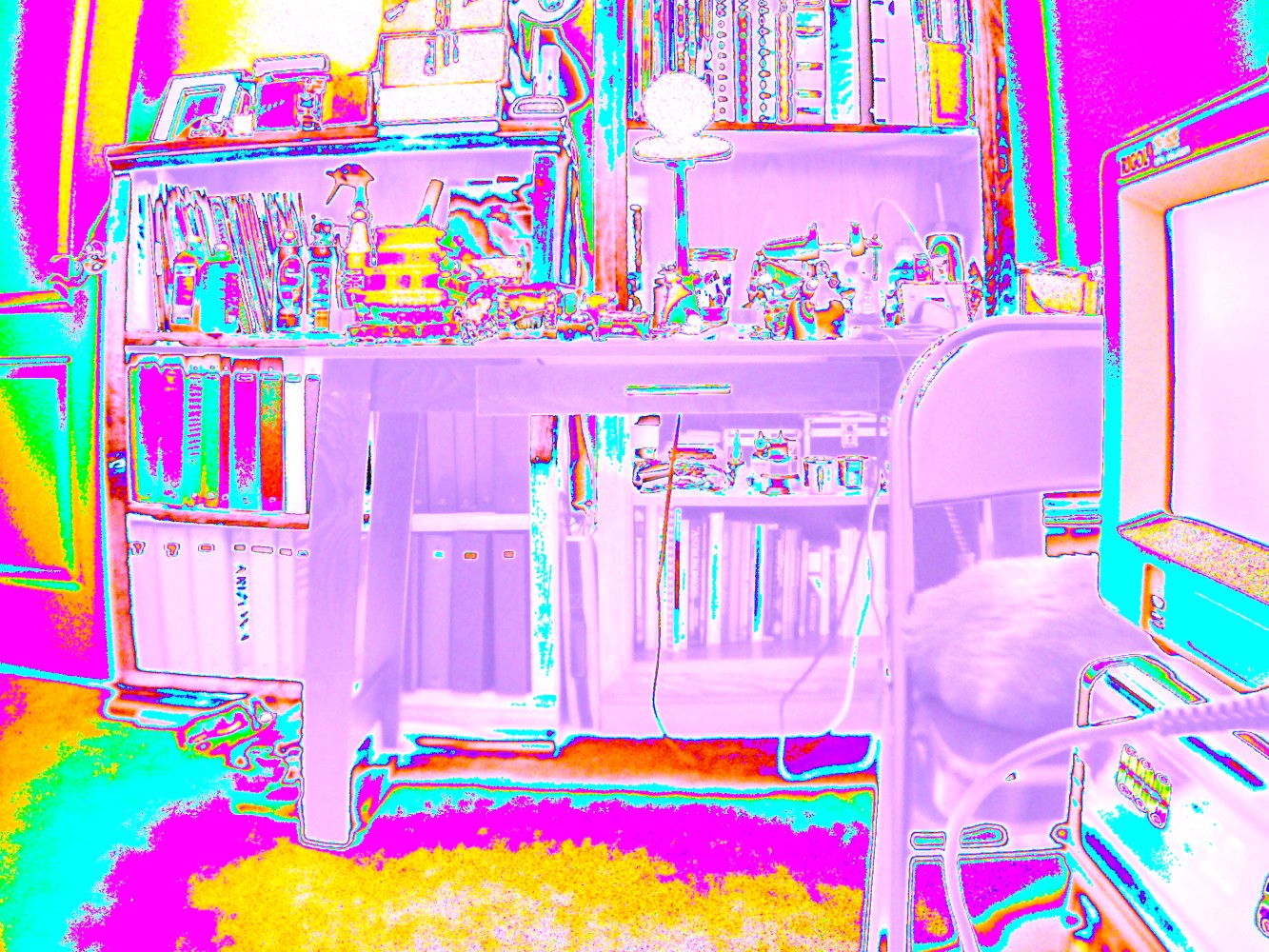

October 2011 - Real RAW Data / New Kernel
In October, we had to compile the 2.6.39 kernel and modify all new camera driver.
Difficulty getting new kernel fully working on BB and serializer link wakeup.
Trouble detecting sensor reliably on boot, despite communication retries.
Had to compile and modify two programs to work with our setup (media-ctl yavta).
On October 29, we finally captured real 12-bit sGRBG RAW data at 2592x1944.
On October 21, Rev 3.2 PCB assembly began; completed November; tested December.
A new FPGA based design was discussed to replace the BeagleBoard.
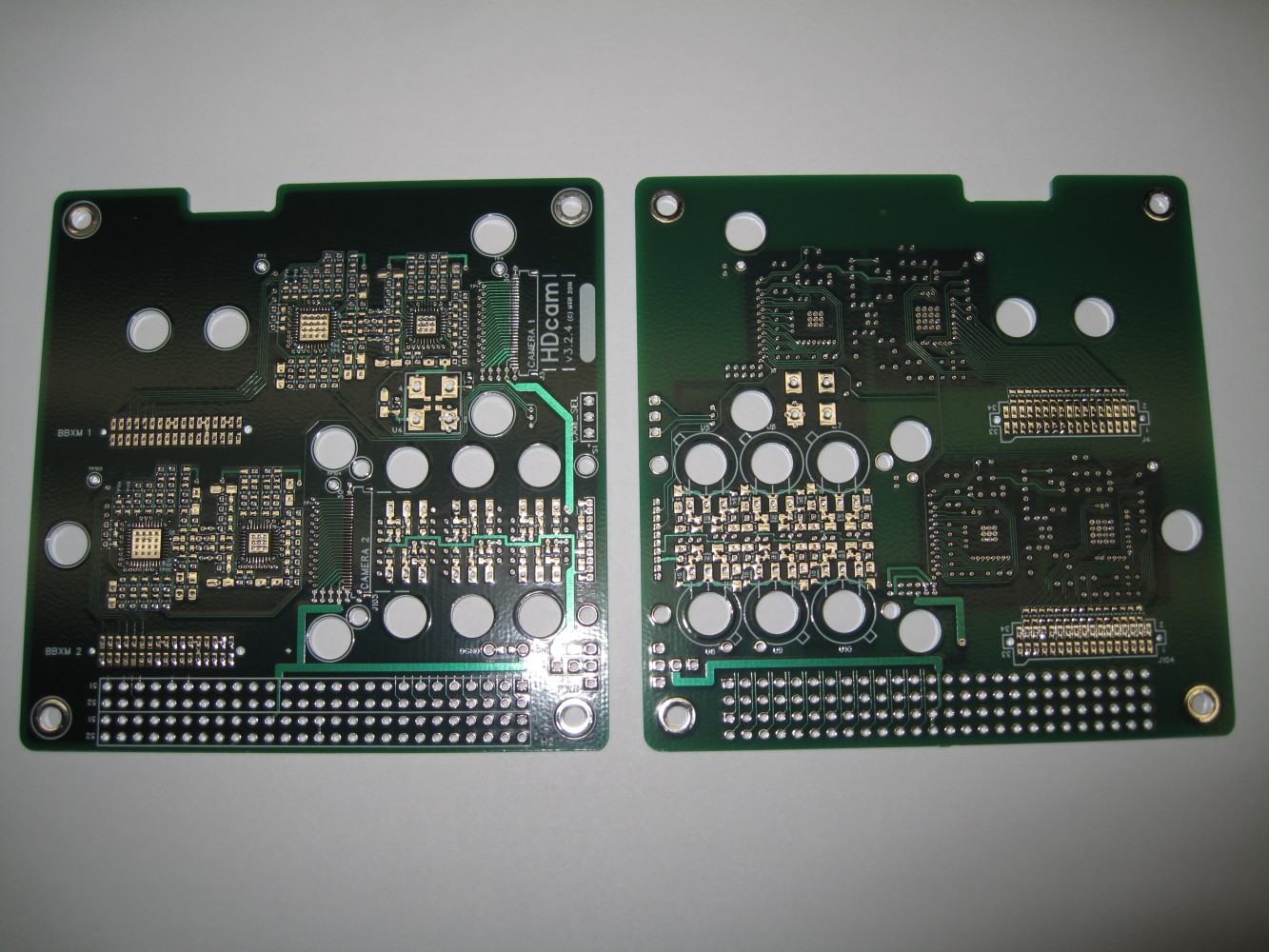
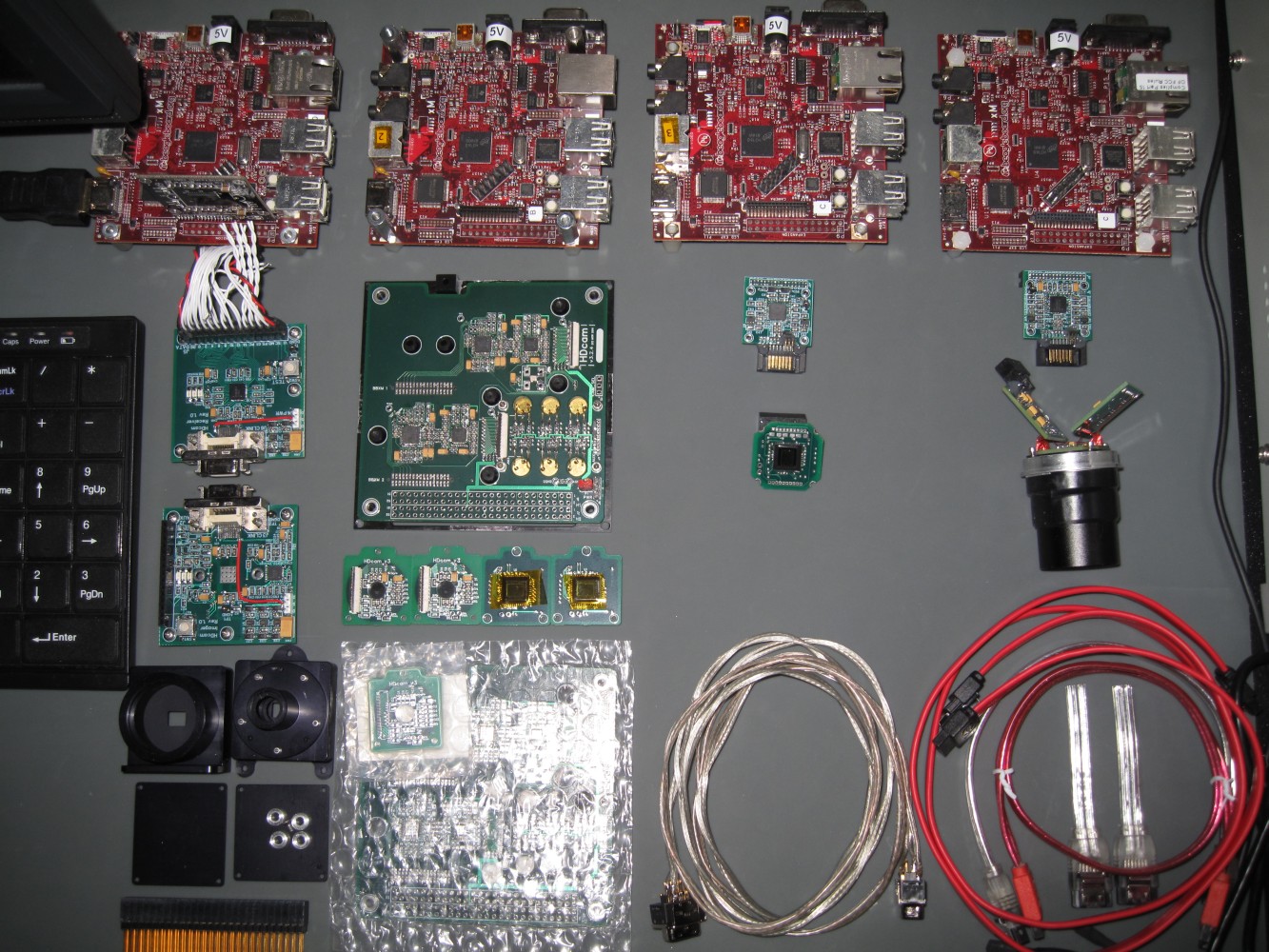
 Rev 3.2 PCBs
 1st RAW data image
 Good RAW data
 Bad RAW data
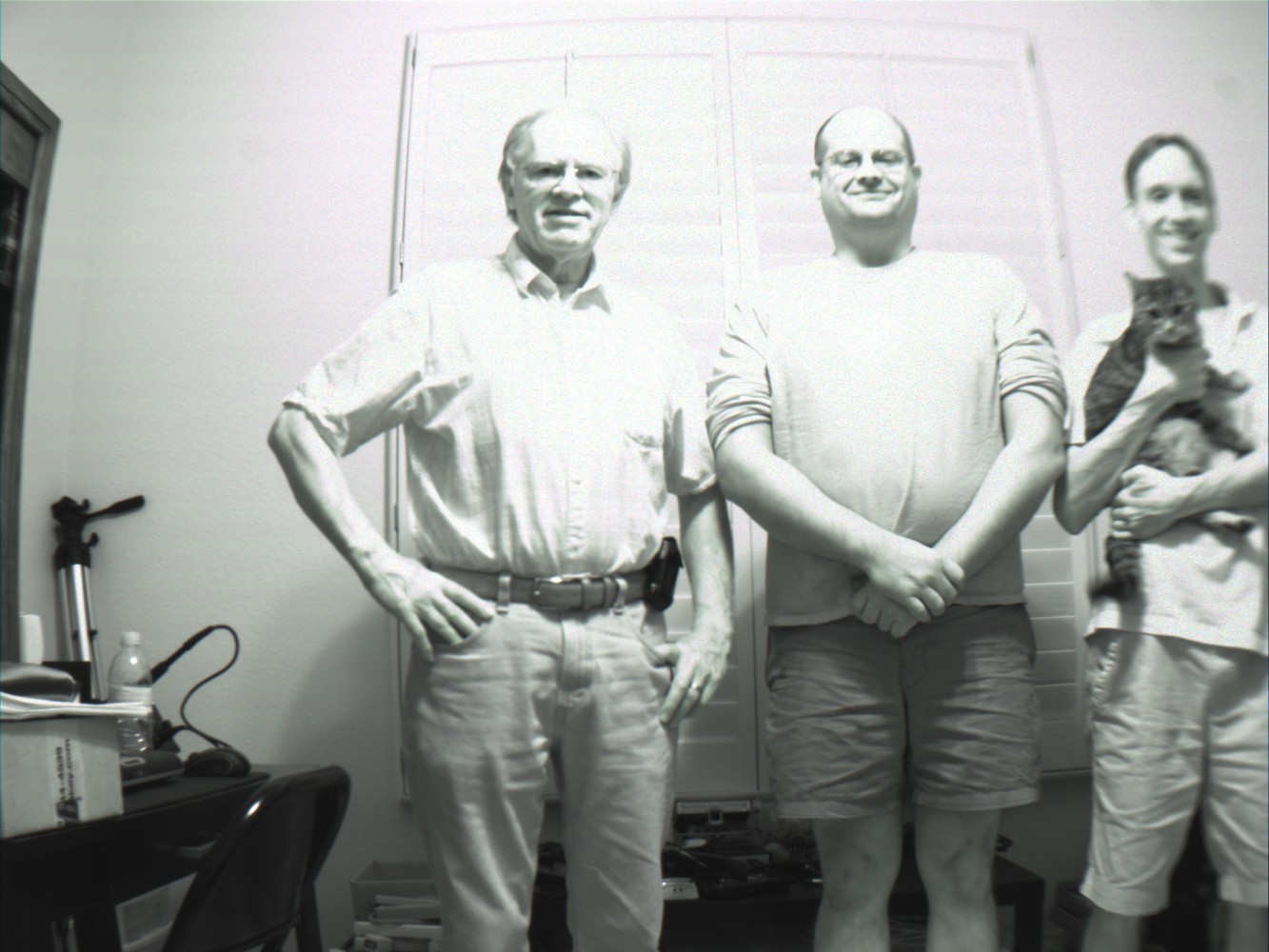
 Bill Andrew Mike
November 2011 - Stable RAW Data / CCDC Idle
In November, we had to deal with RAW data capture instability issues.
No data captured ("CCDC won't become idle") and BeagleBoard lockups were common.
Solution was to test for running process, kill it after a certain time and retry.
On November 29, we achieved stable RAW data and direct control of the registers.
 5555 data file from bad capture
 Imager with tape in corner
 Lower exposure using registers
 Dark image with a few hot pixels




December 2011 - Valid RAW Data / Test Pattern
In December, we had to deal with intermittent invalid RAW data.
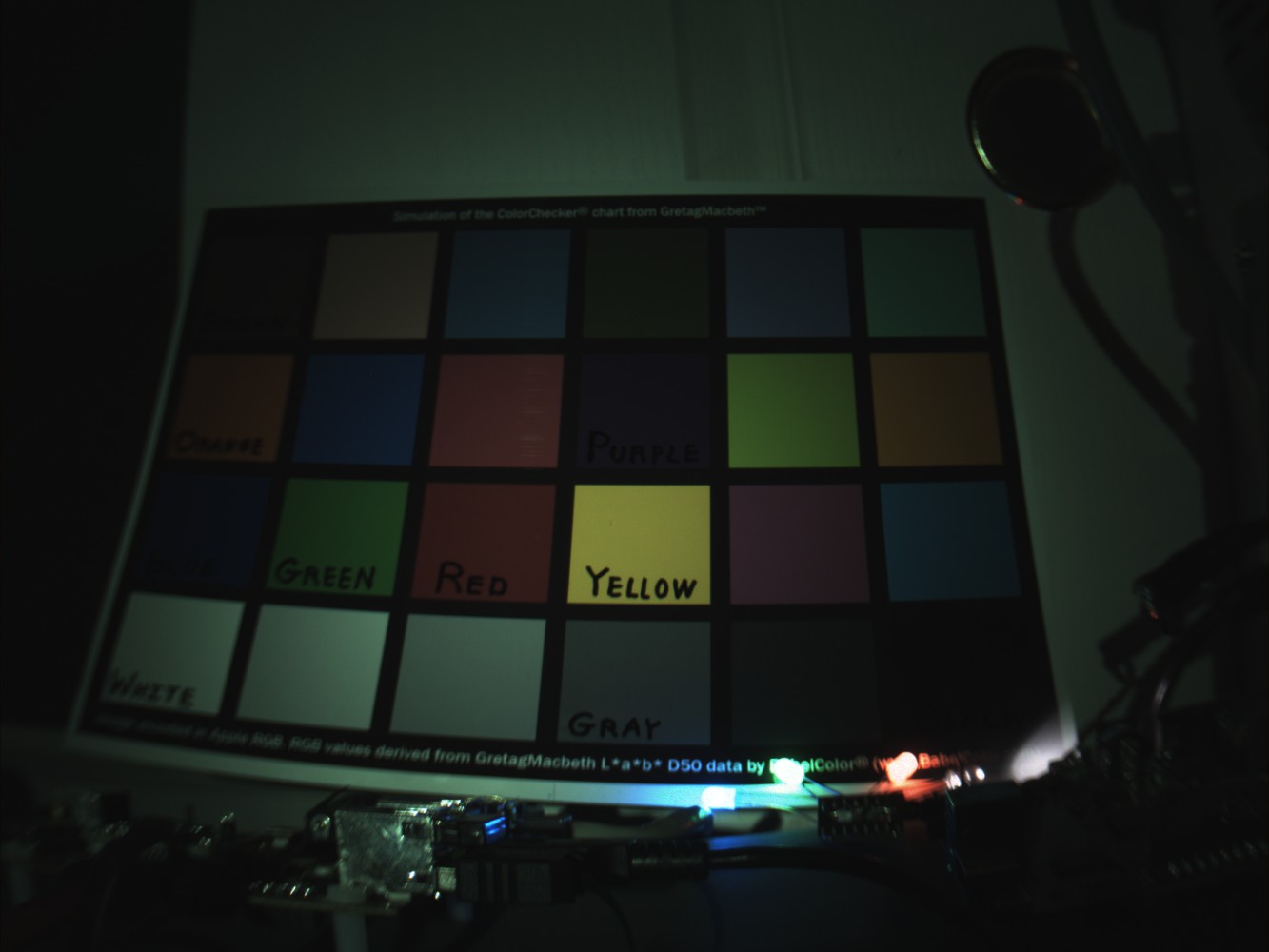
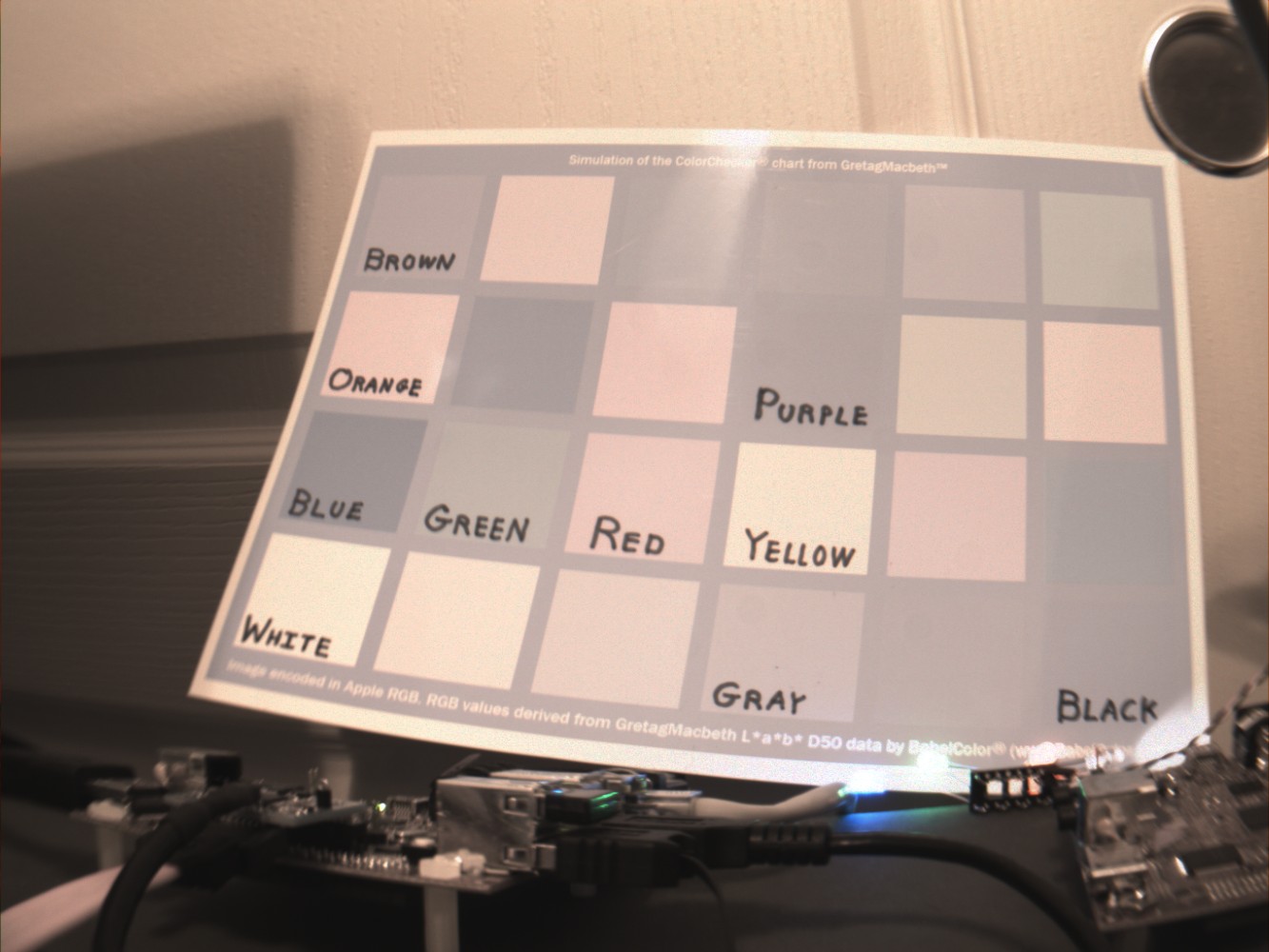
Pixels GRGR are expected but RGRG are received, causing Bayer filter color shift.
Solution was to set test pattern and check for valid frame just before capture.
On December 18, we achieved stable, valid RAW data capture; later the full array.
We spent the rest of the month and year refining the process and writing scripts.
On December 23, Rev 3 was picked up from Chuck for testing.
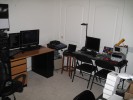 HDcam system on 12/24
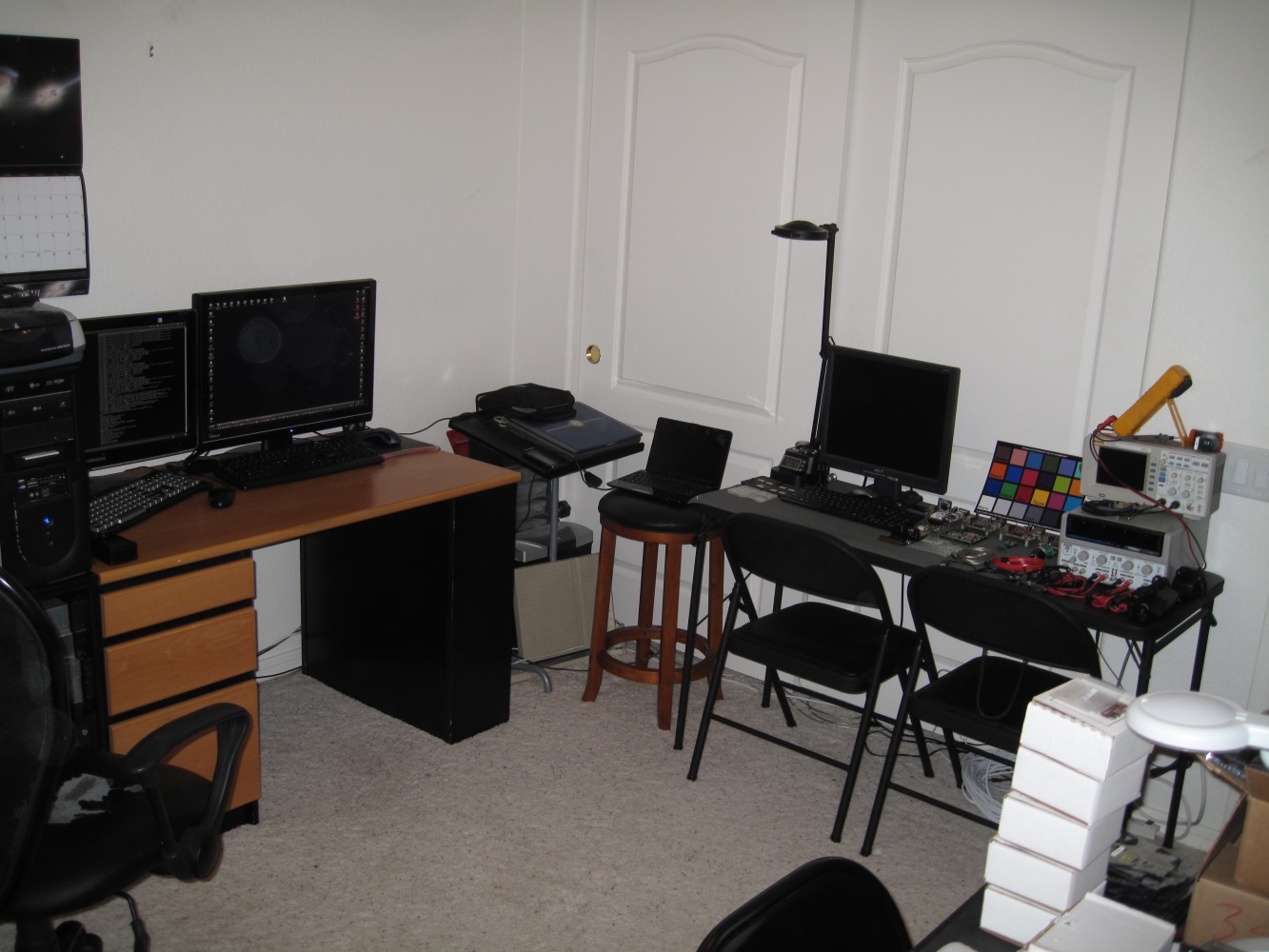
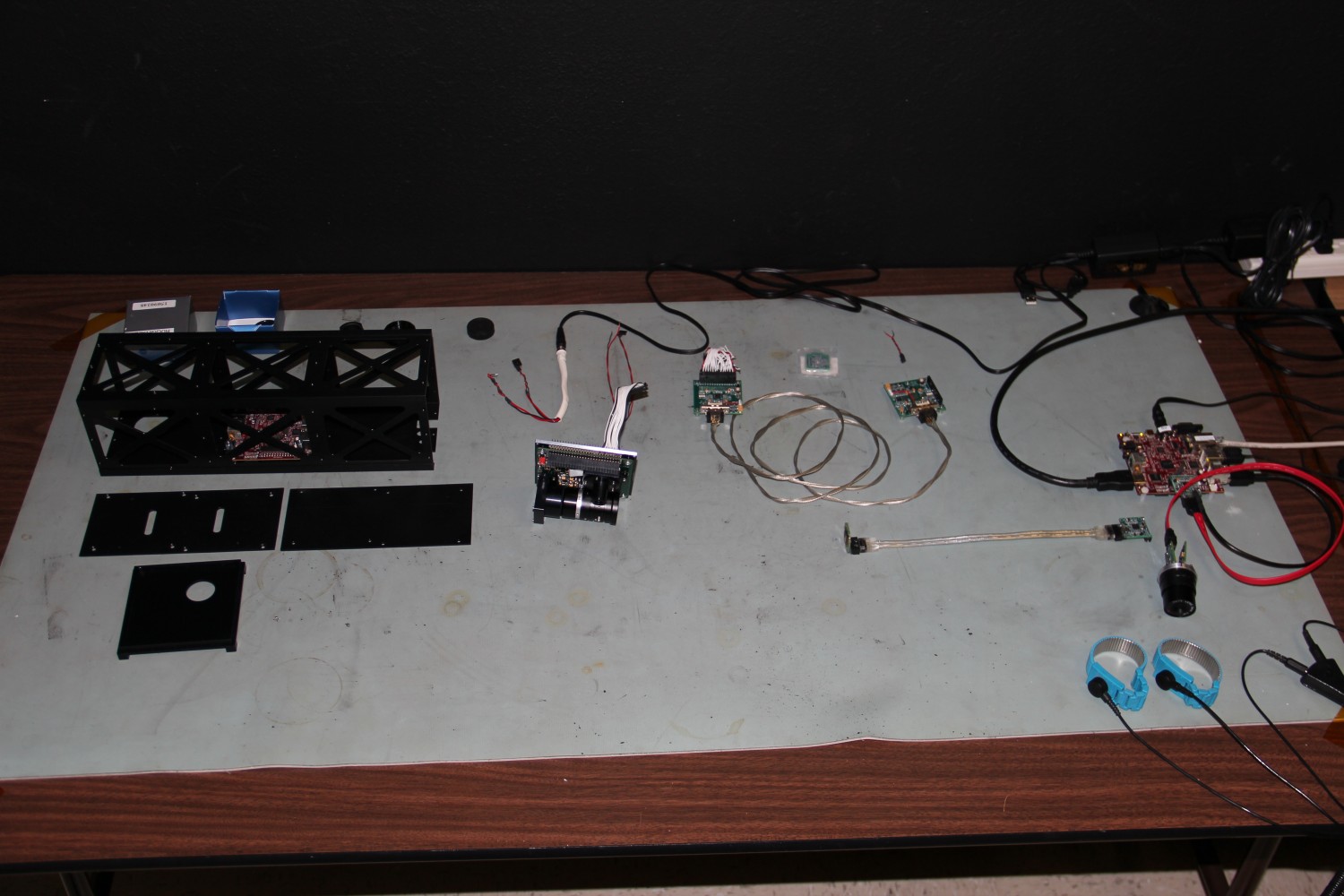
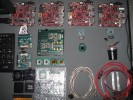 Clean bench setup
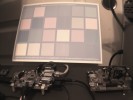 Colorchart Good
 Colorchart Bad
 LEDs Bad
 LEDs Good
 Colorbars Good
 Colorbars Bad
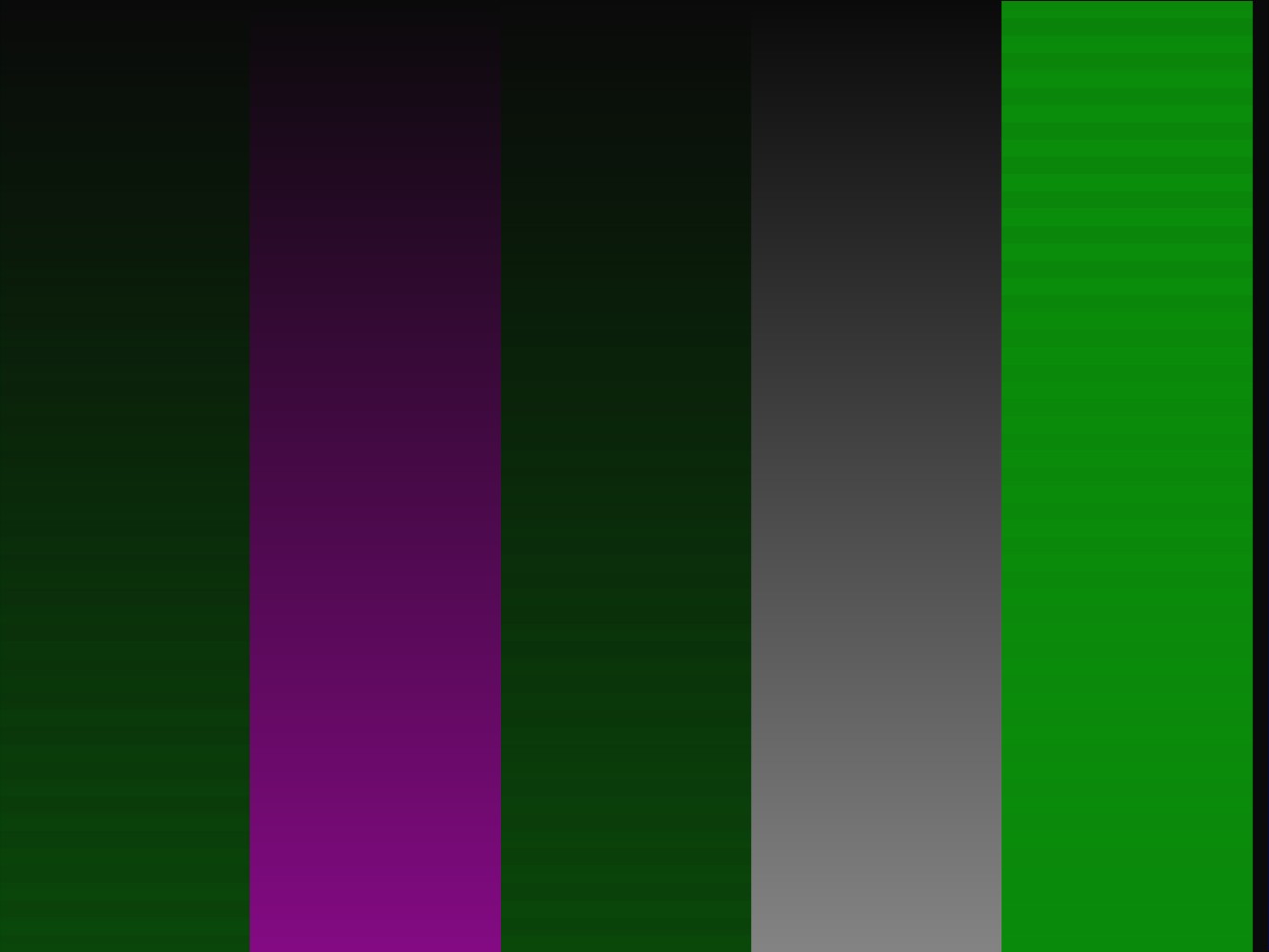
 Colorbars
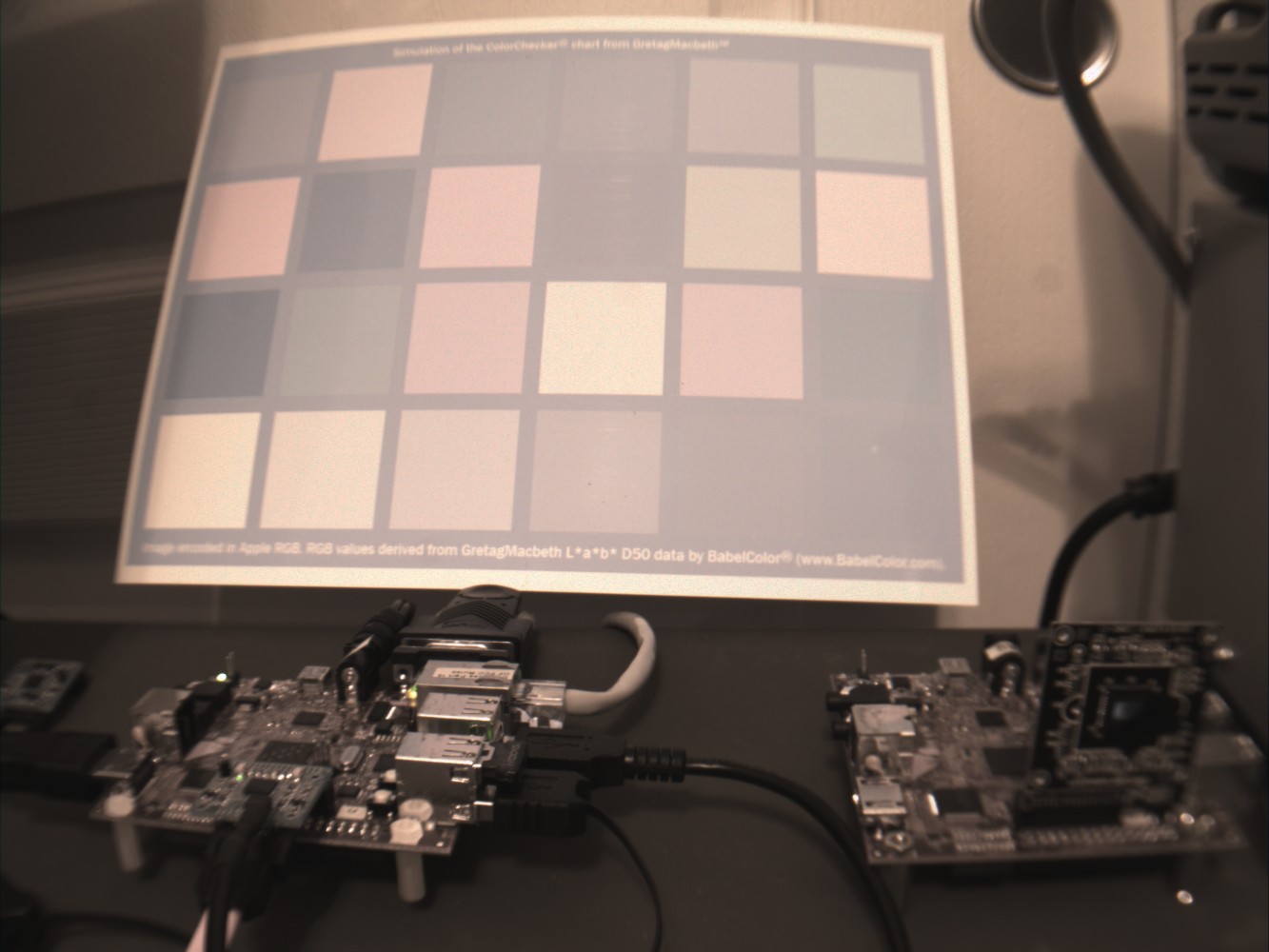
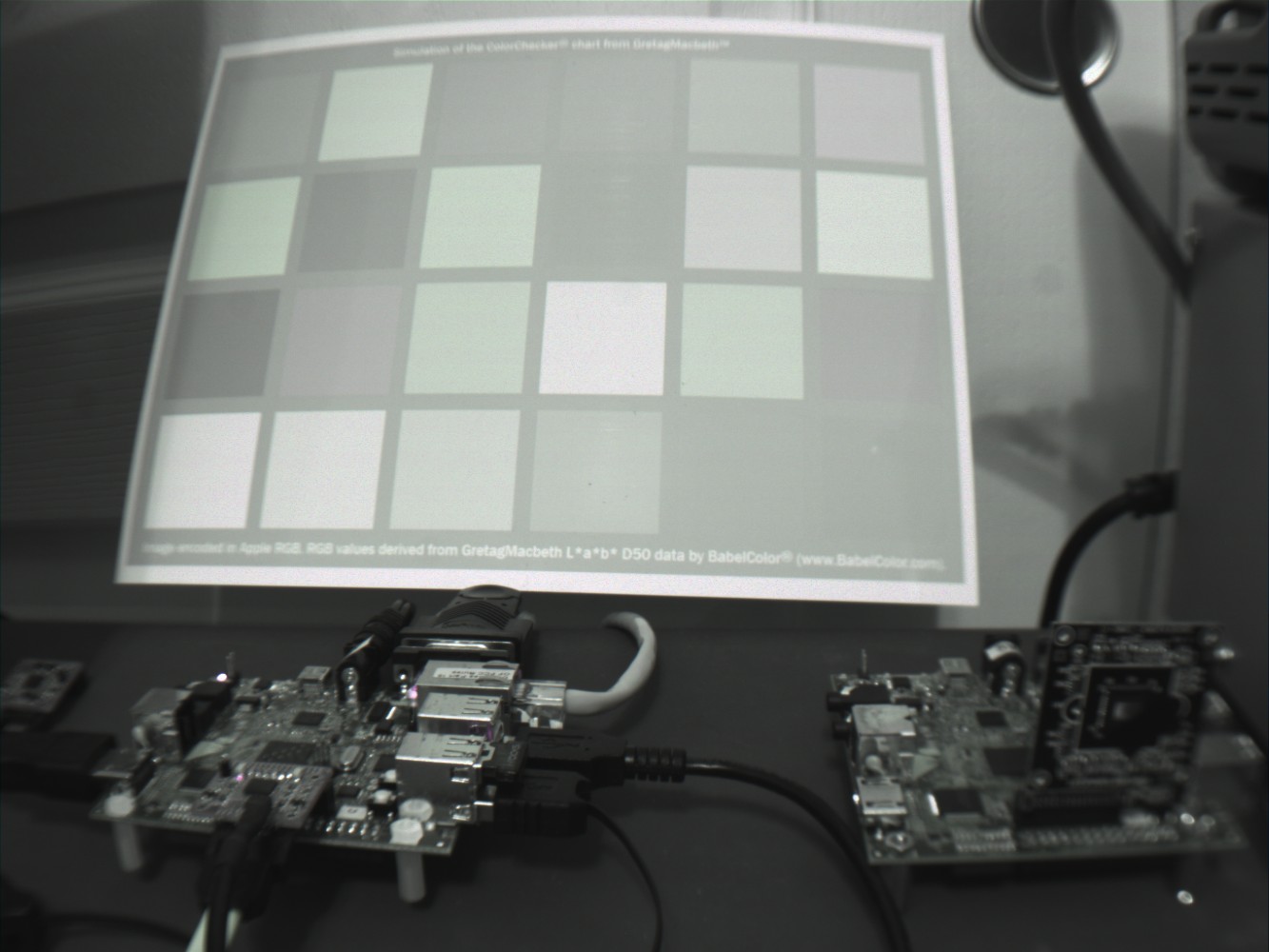
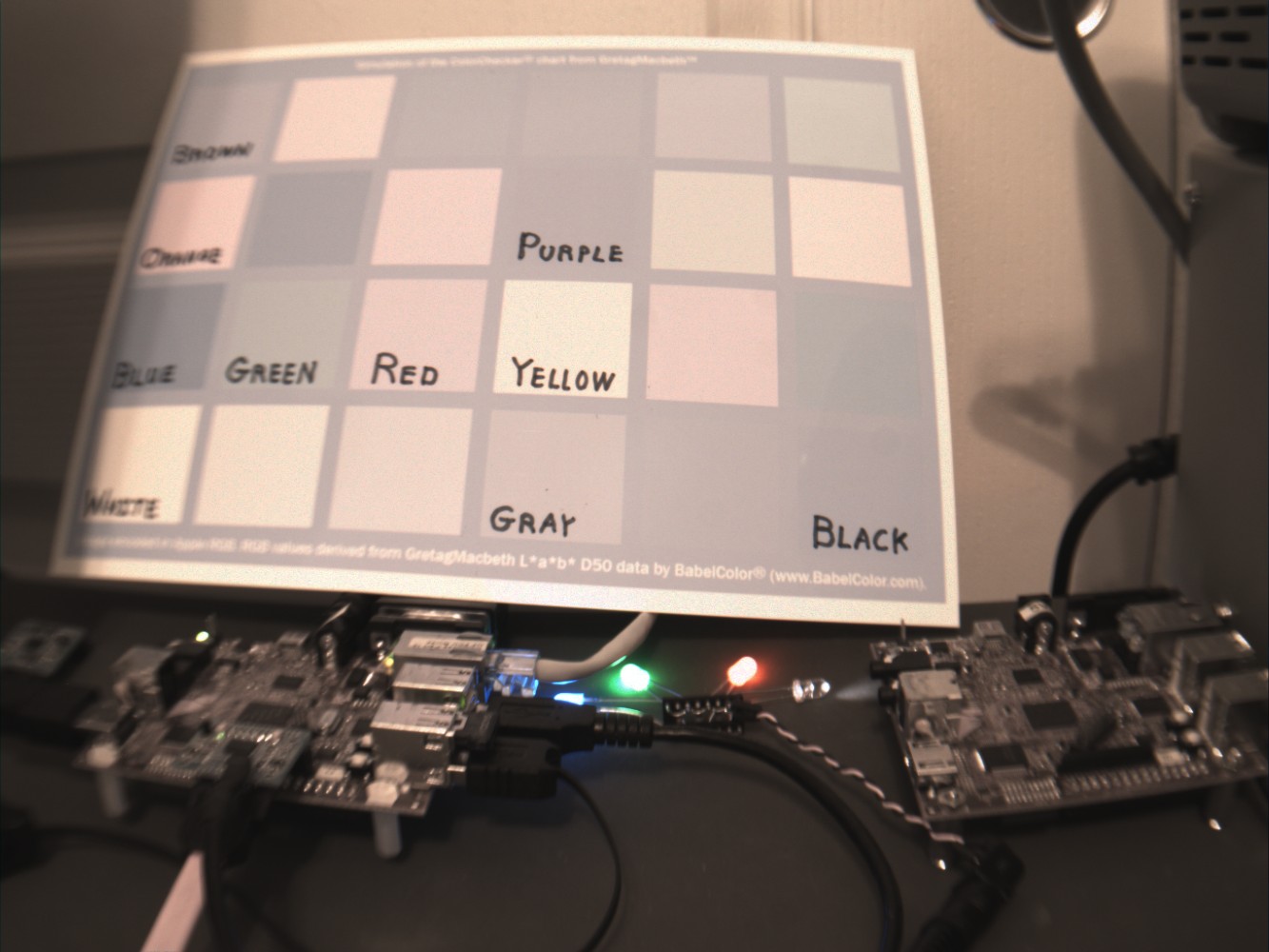
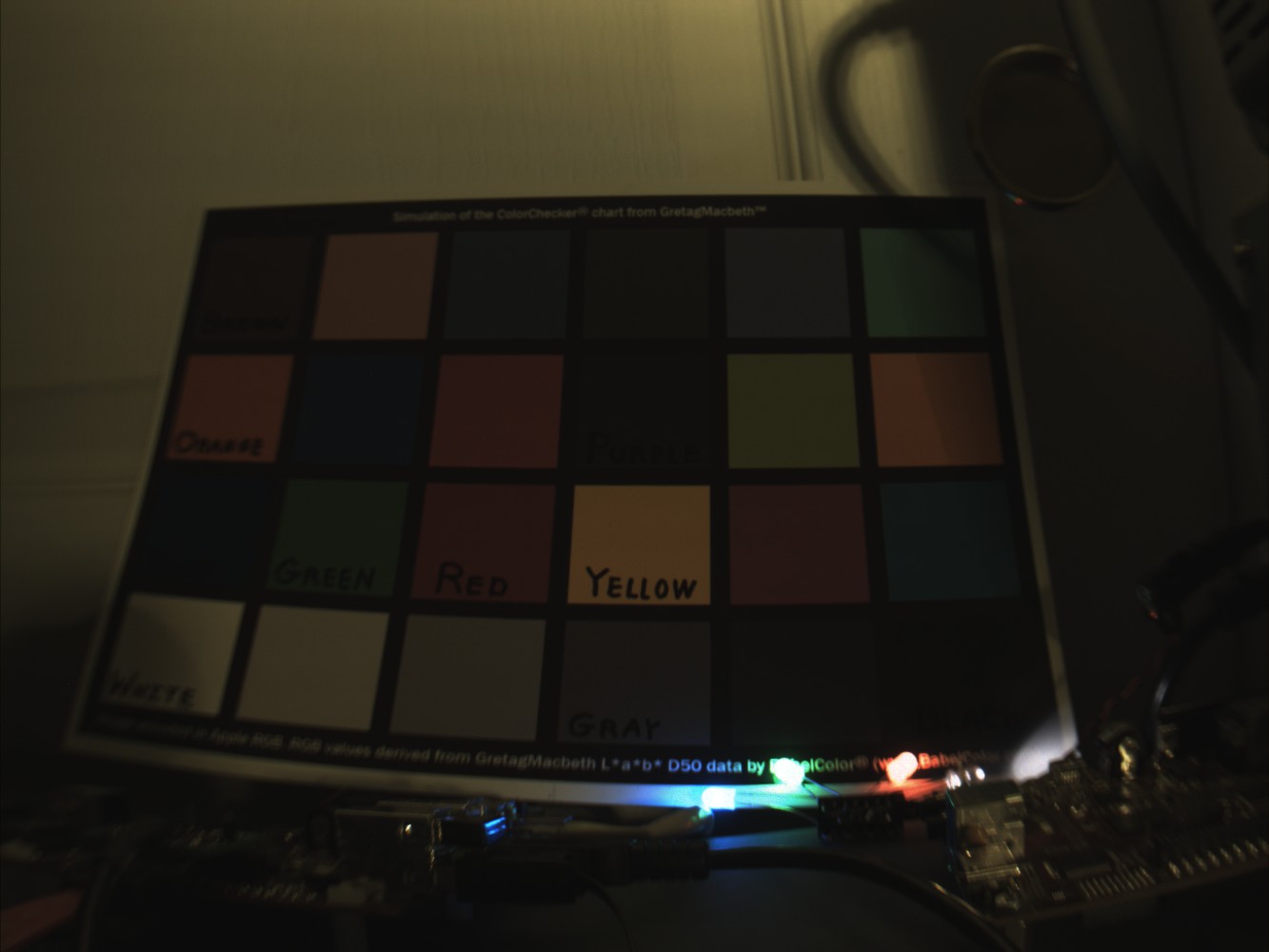
 Colorchart
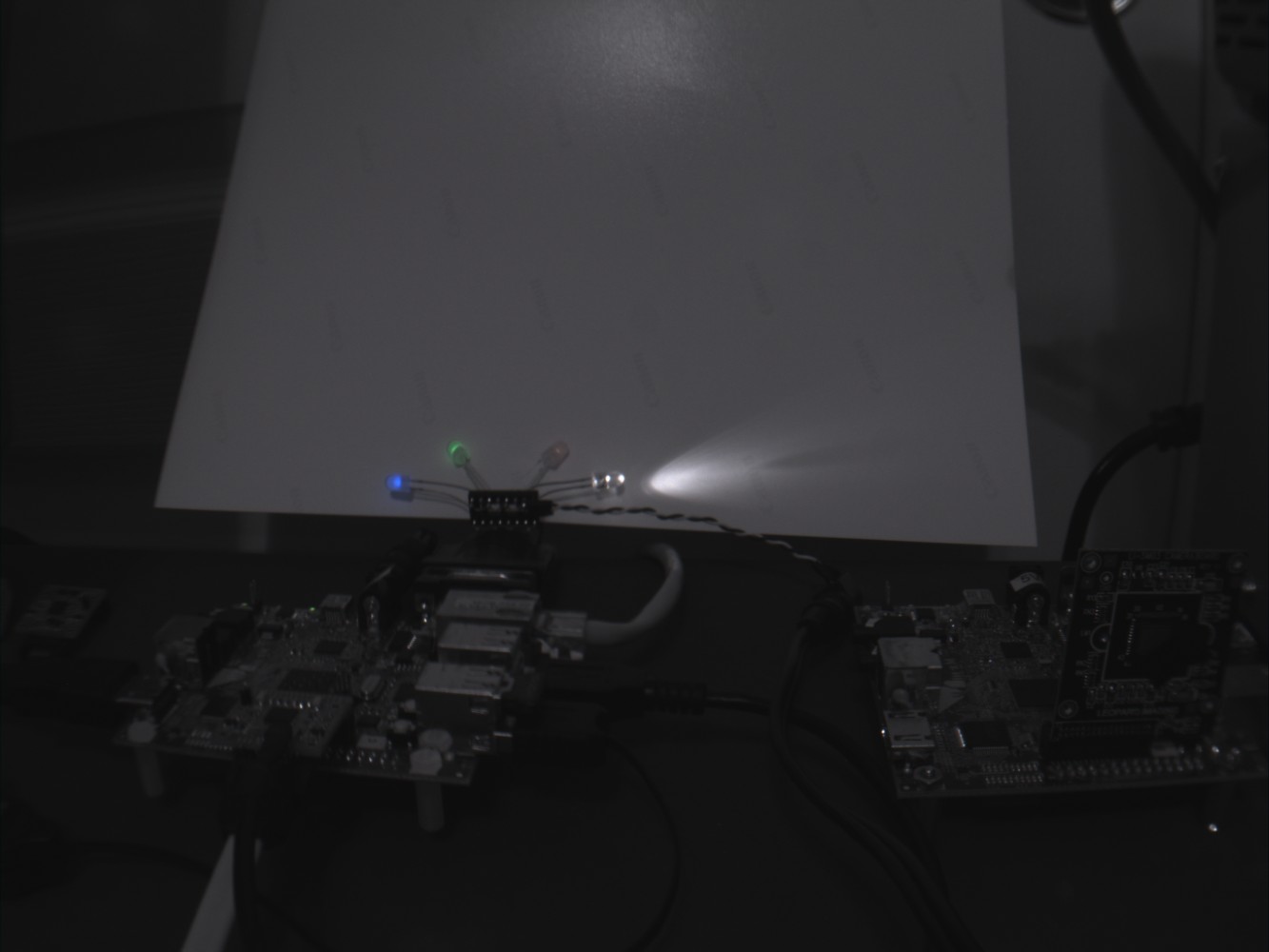
 Tungsten light
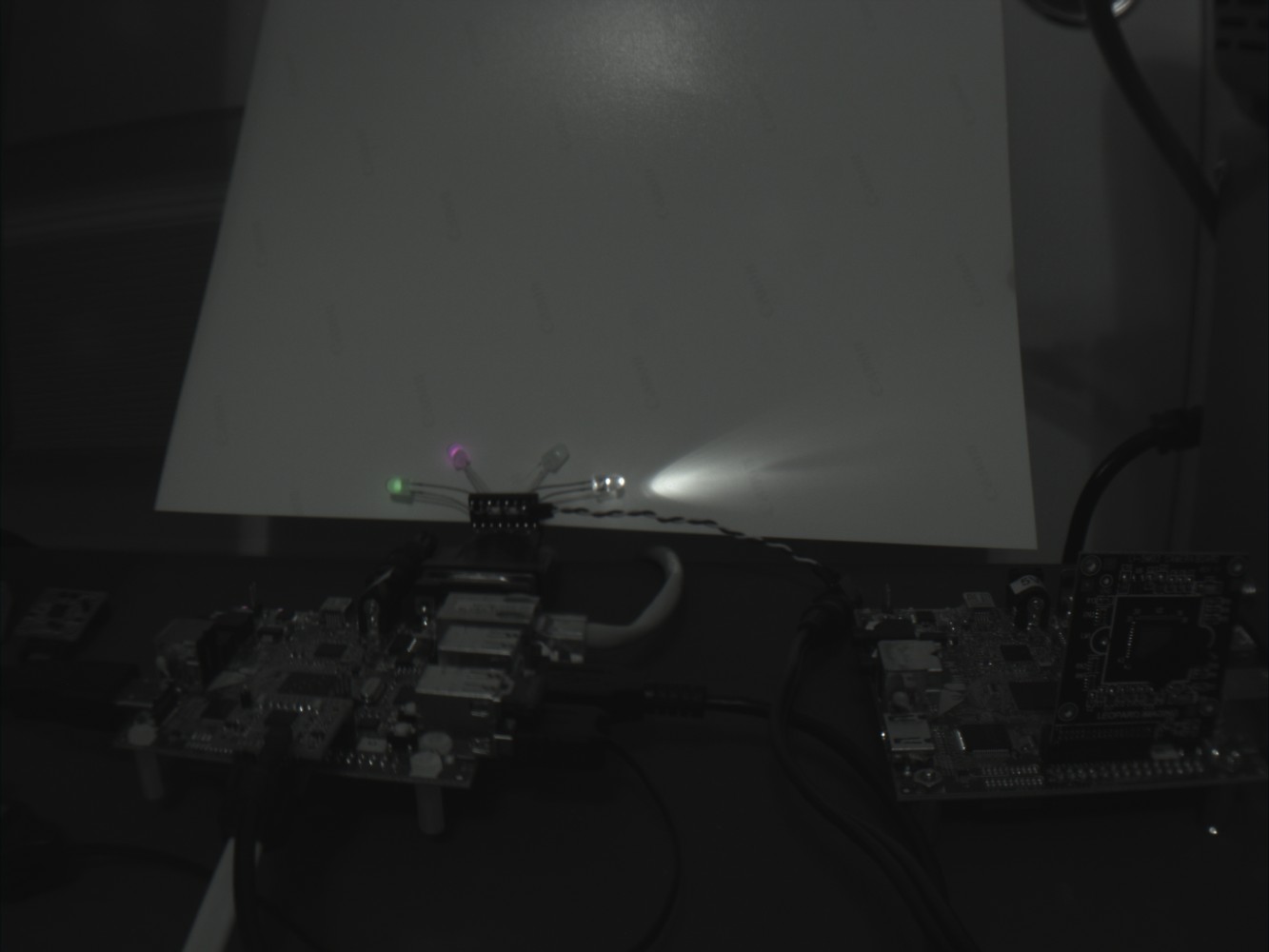
 LED light
 Daytime light
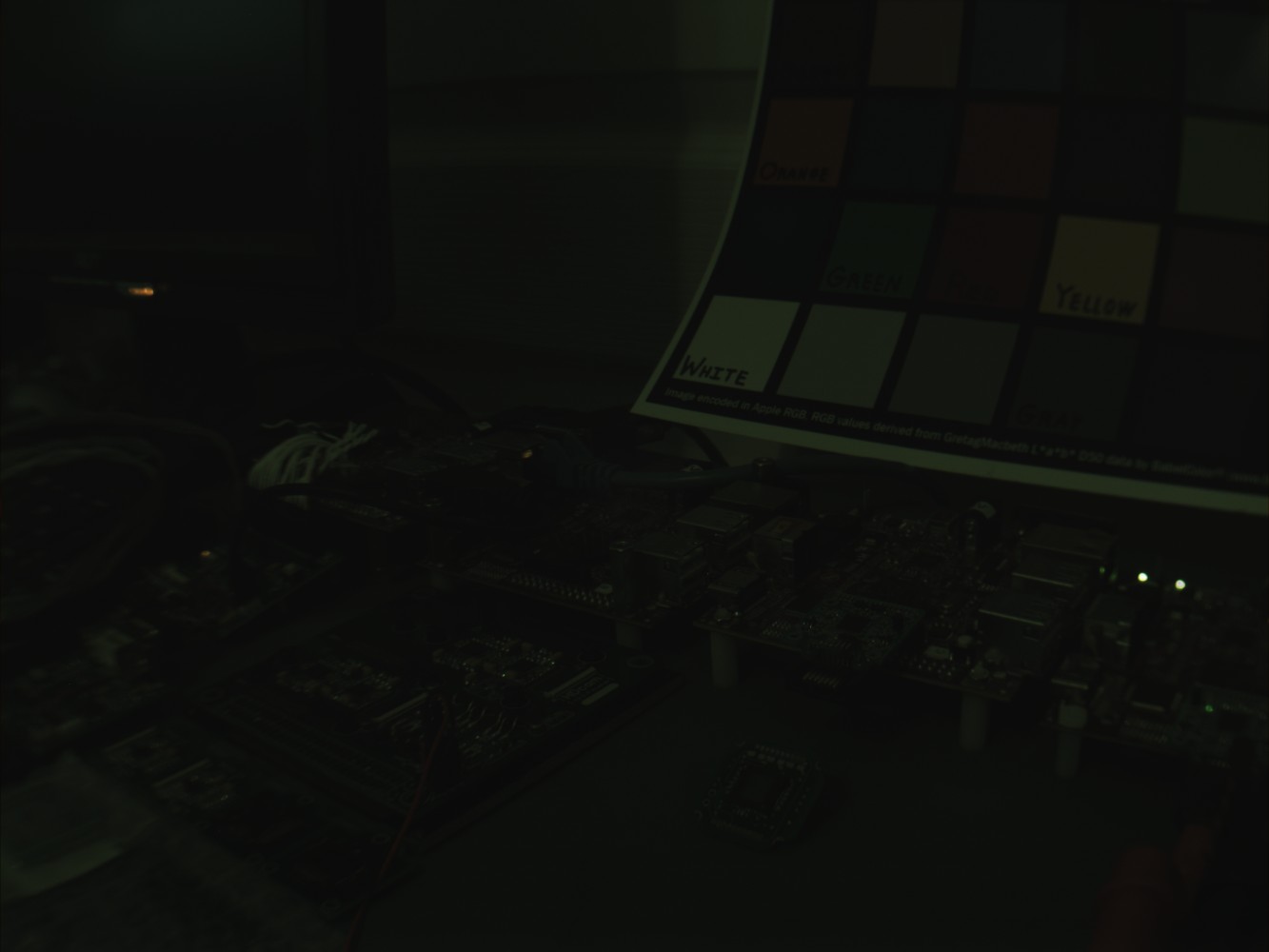
 2592x1944
 640x480
 320x240
 2592x2002
 2736x2003
 2736x2003 shifted
 640x480
 2592x1944
 2736x2003
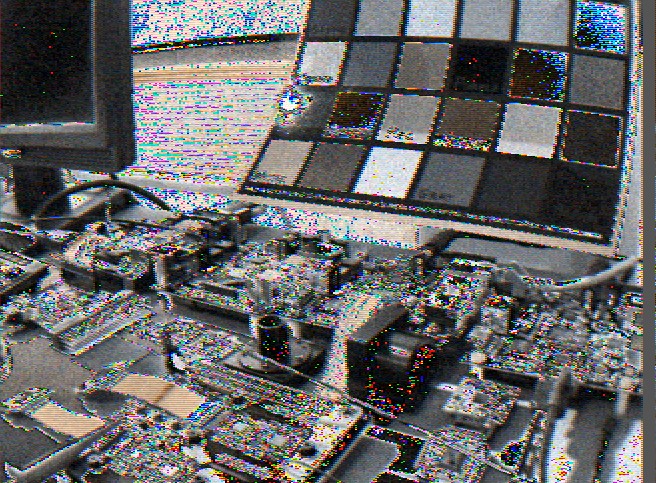
 656x483 YUVU
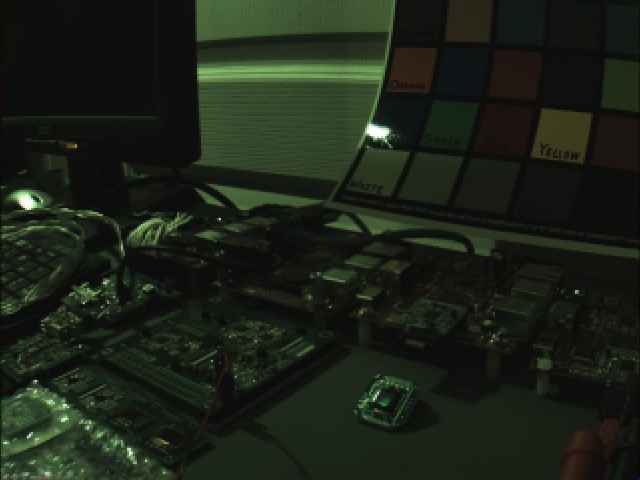
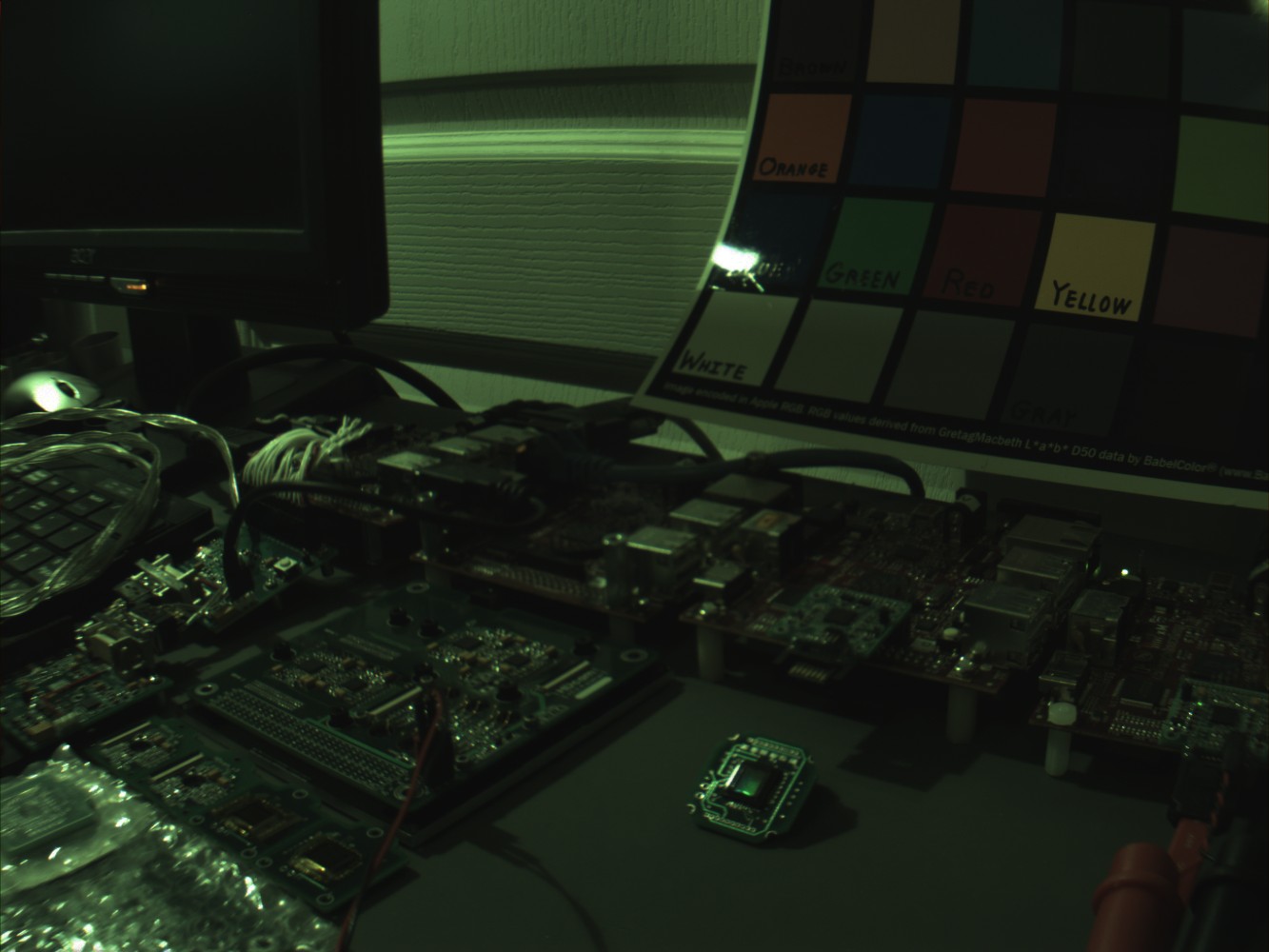
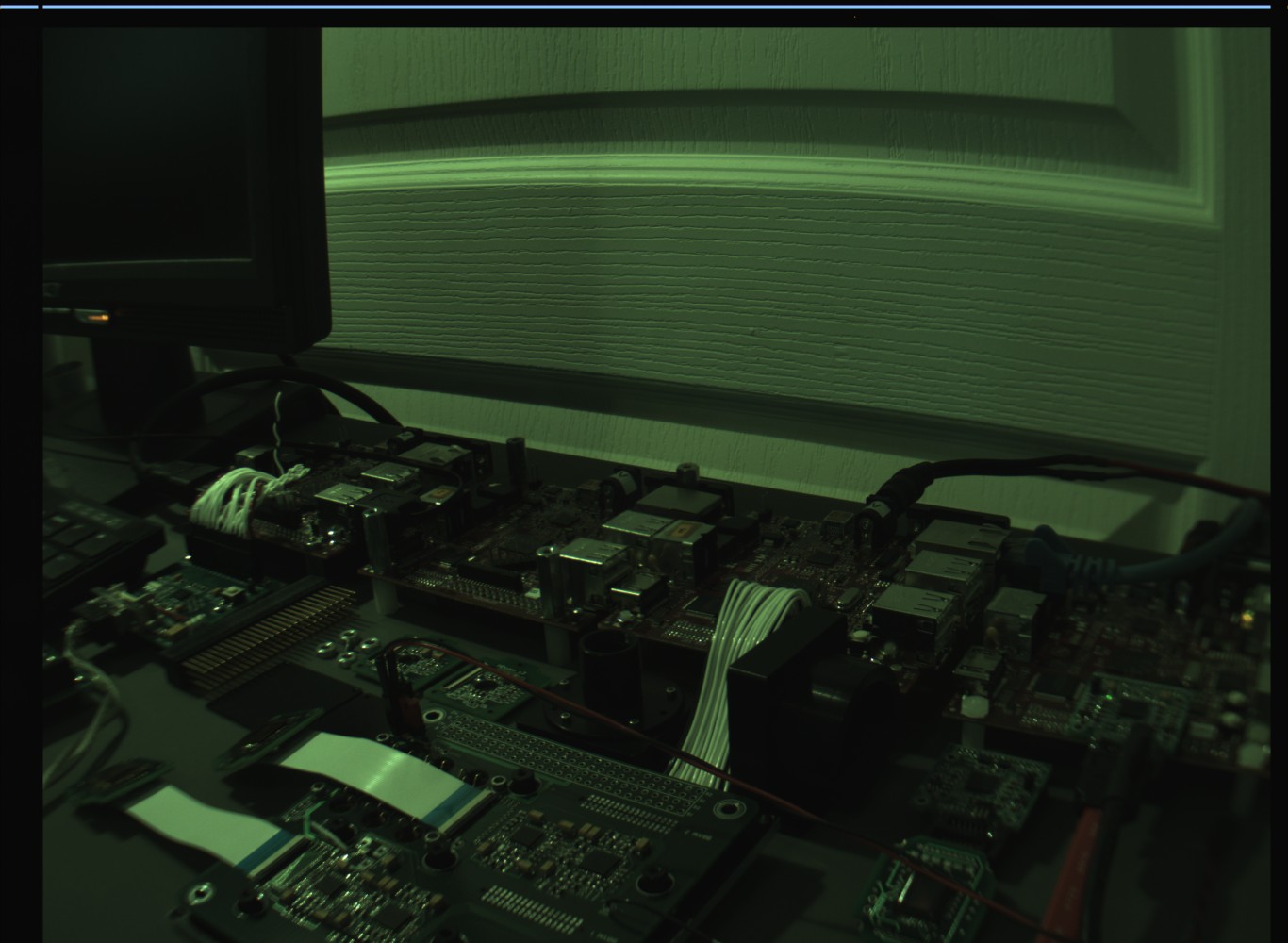
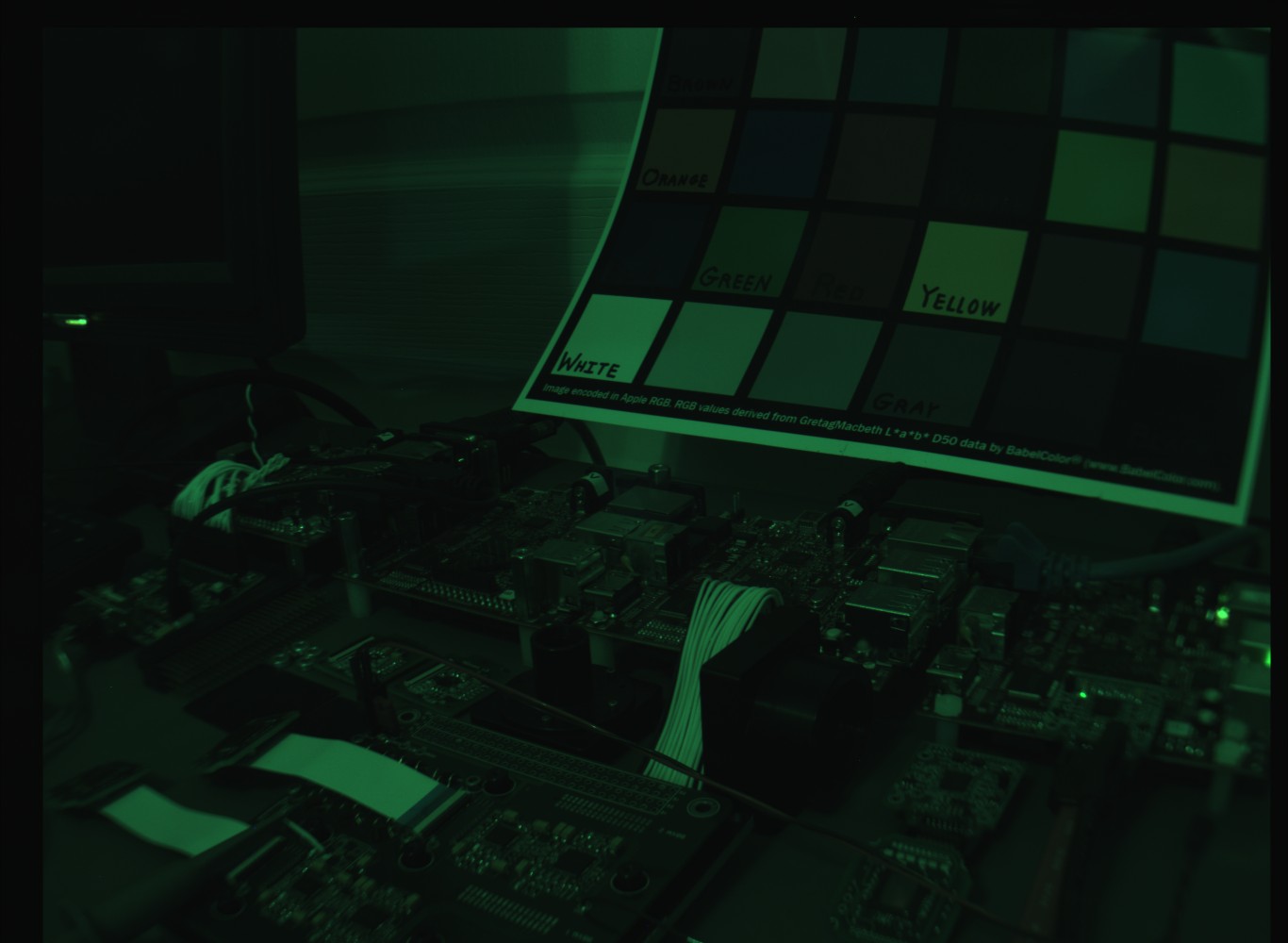
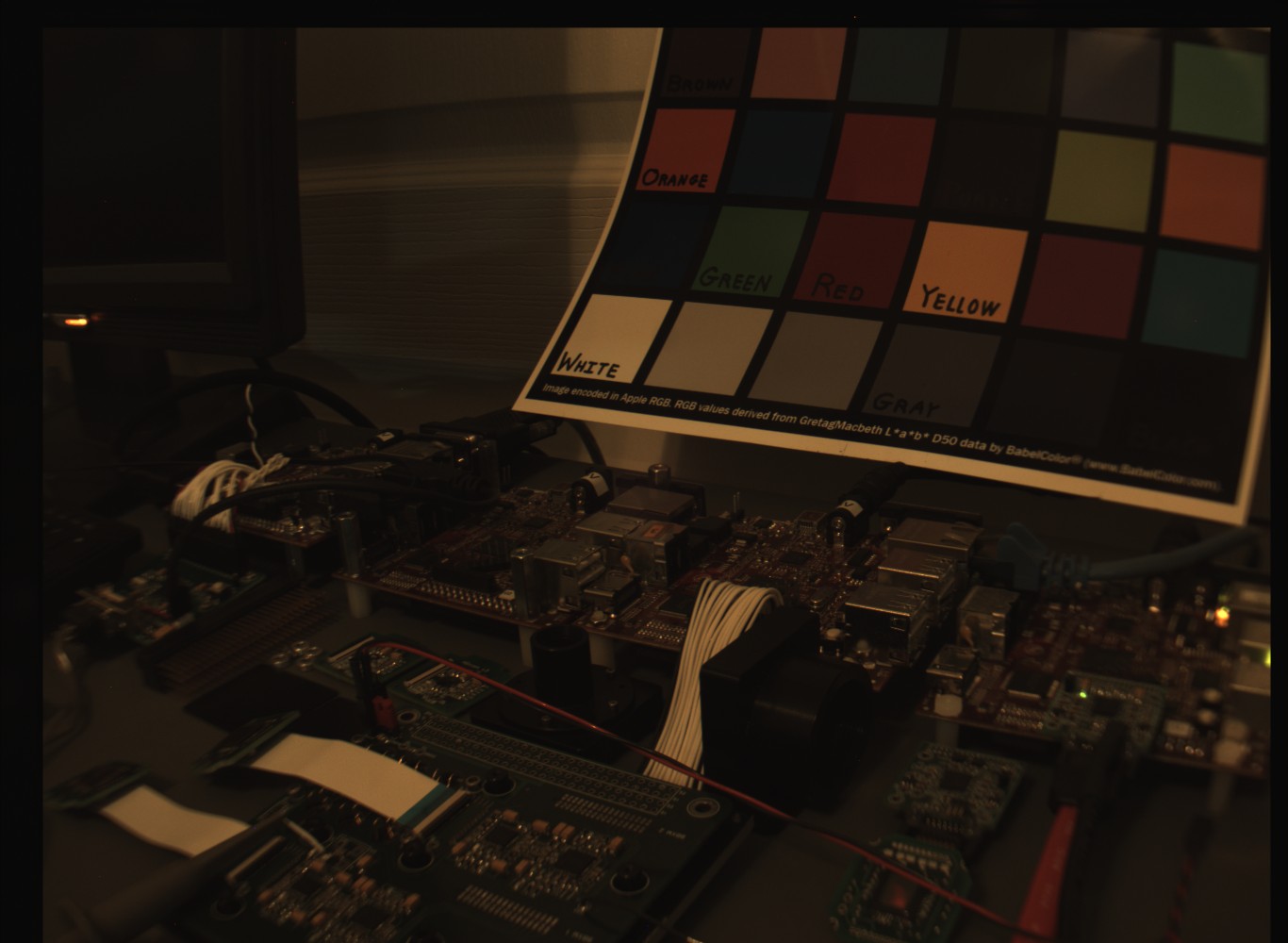
 Red Gain 0
 Reg Gain 8


January 2012 - Rev 3 Testing / Software Integration
In January, probing began on Rev 3 and communications problems were discovered.
The high speed serial link was not stable on either channel.
Problem found to be long Flat Flex Cable to imager board in camera box.
Partial solution is to set Aptina registers to slow clock and data slew rates.
Link comes up unreliable by default so setting slew rate register is error prone.
Real solution is to reduce FFC length or electrical enhancement of imager signals.
On January 1, Marcus circulated a draft proposal for a FPGA based design.
On January 21, Terry got SatCam working with the new software system.
On January 29, final assembly and testing of Rev 3 with cameras mounted in boxes.
On January 30, delivered Rev 3 to Chuck with one channel working; rejected.
 Default Image
 Blue Gain
 Red Gain
 Green Gain
 Long Exposure
 Rev 3 probing
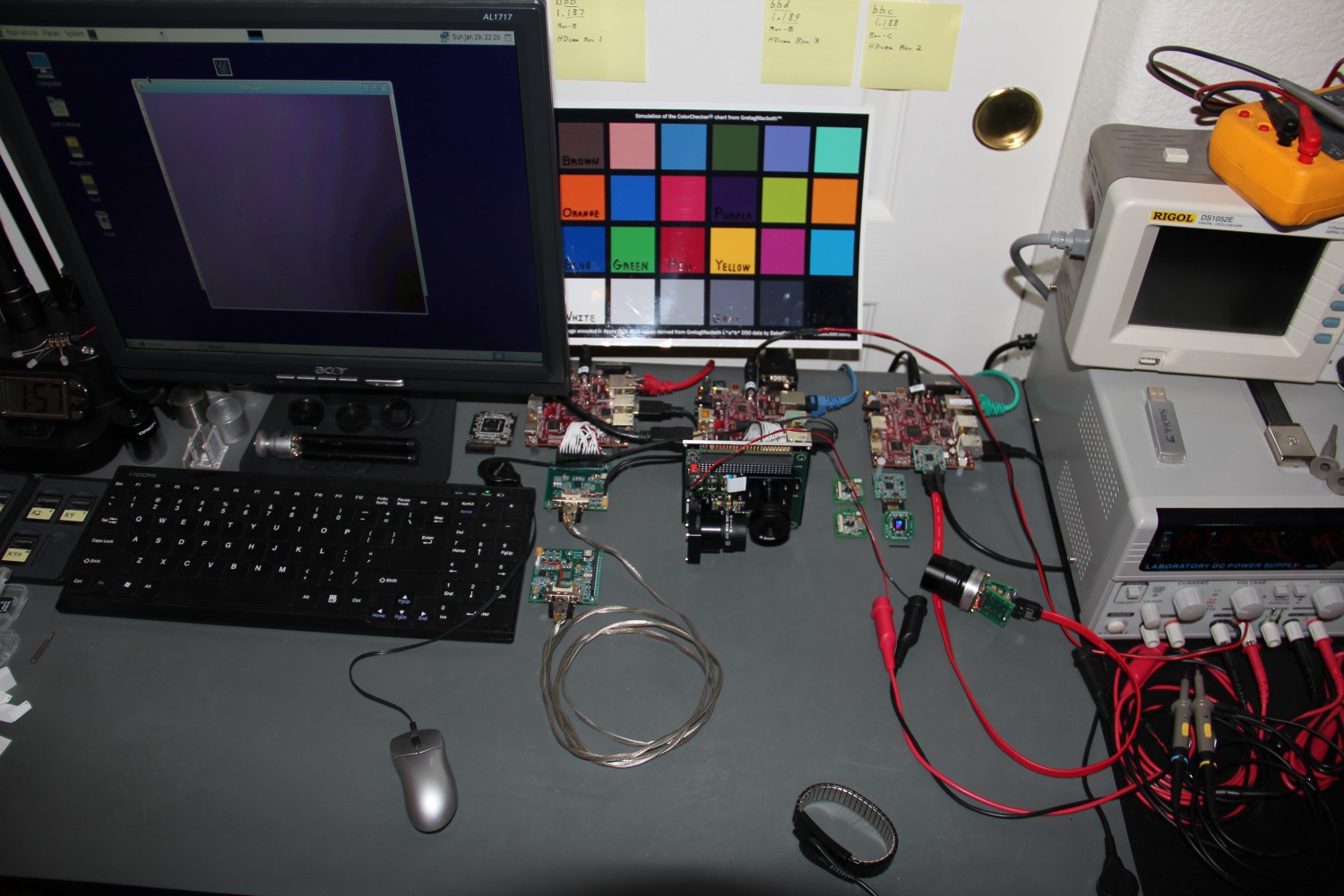
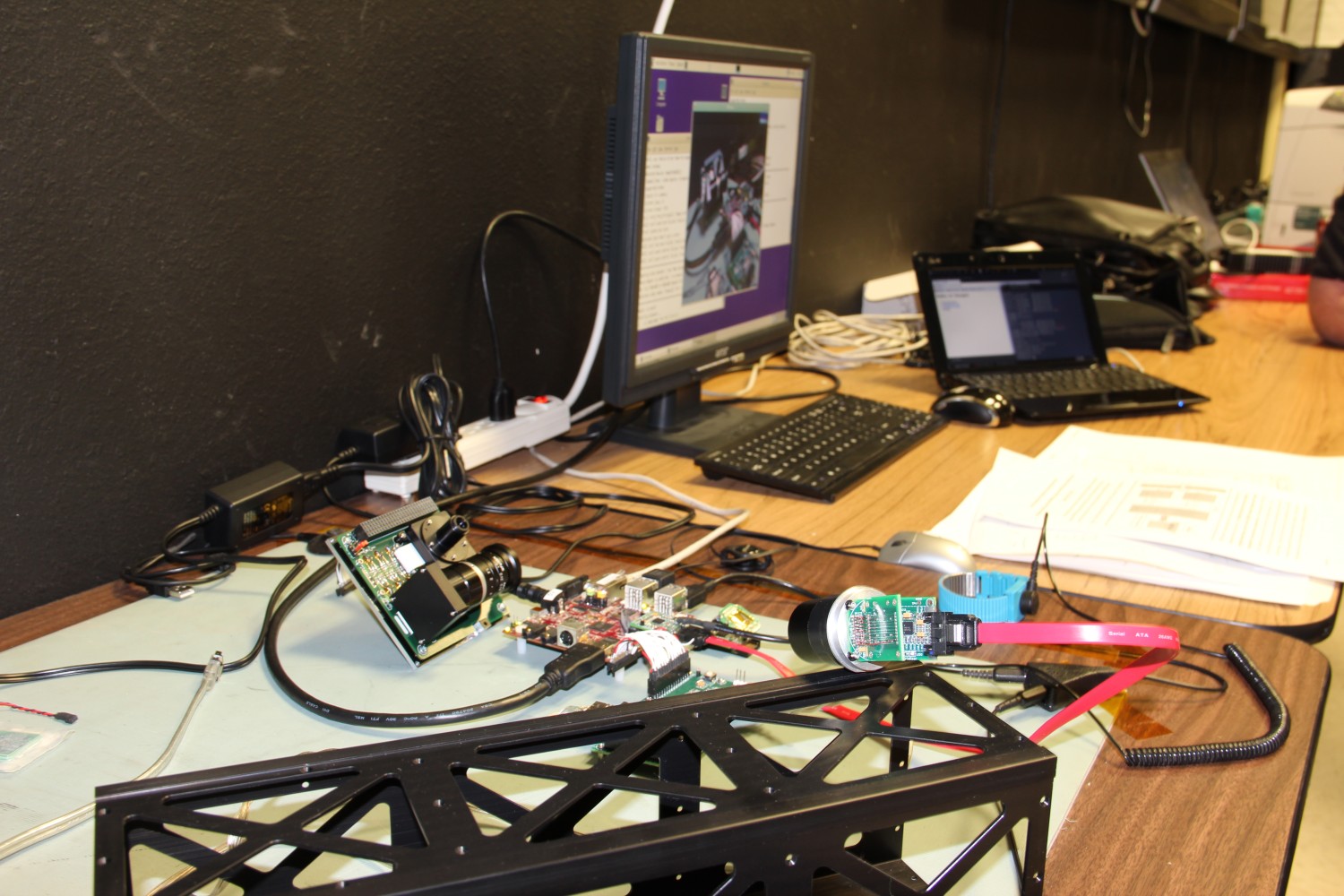
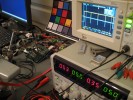 Bench setup
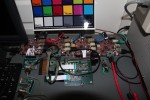 4 Camera systems
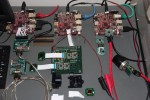 3 Camera systems
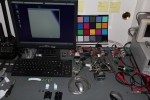 Rev 3 live video
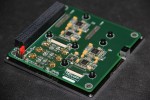 Rev 3 PCB top
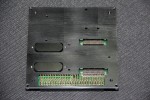 Rev 3 PCB bottom
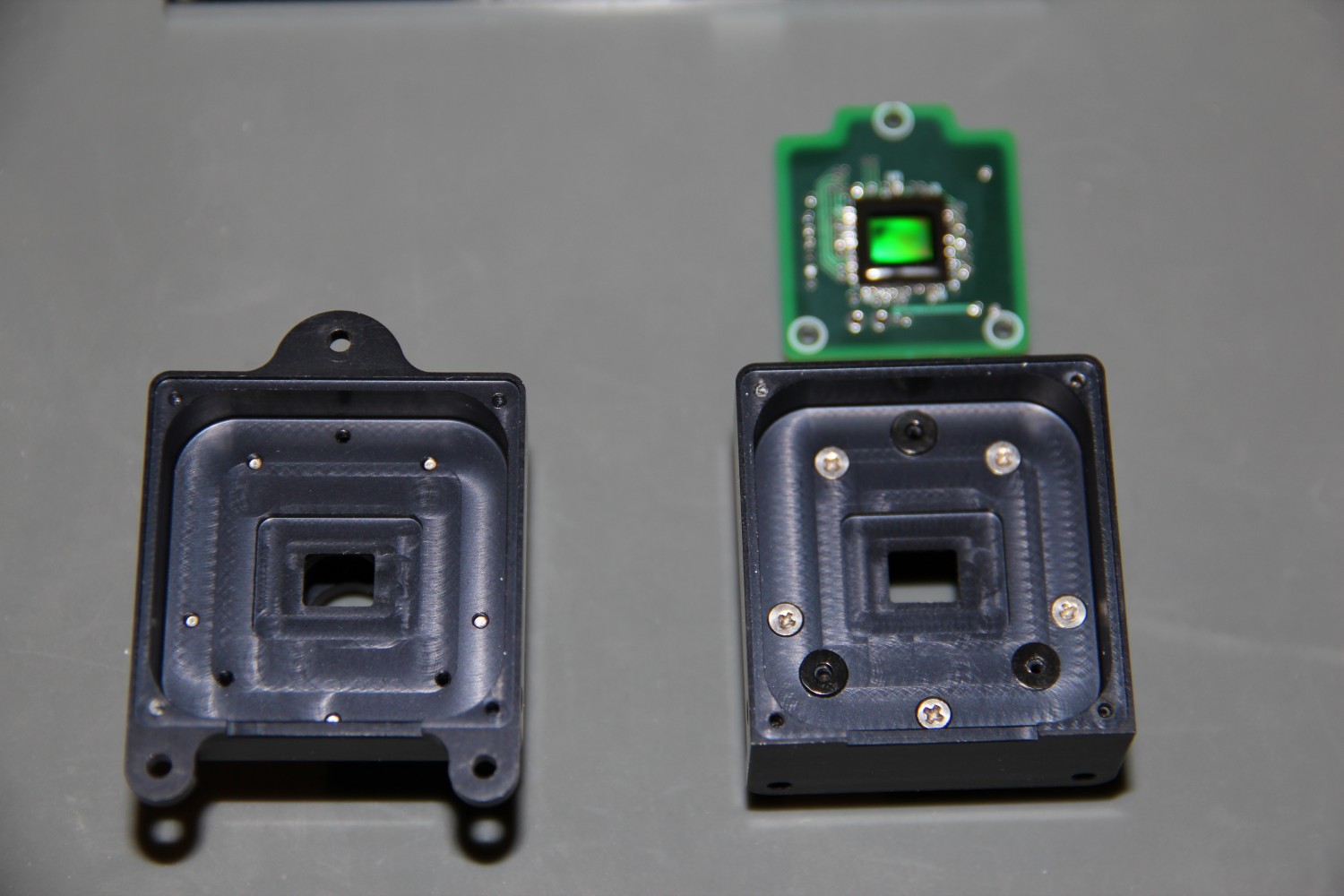
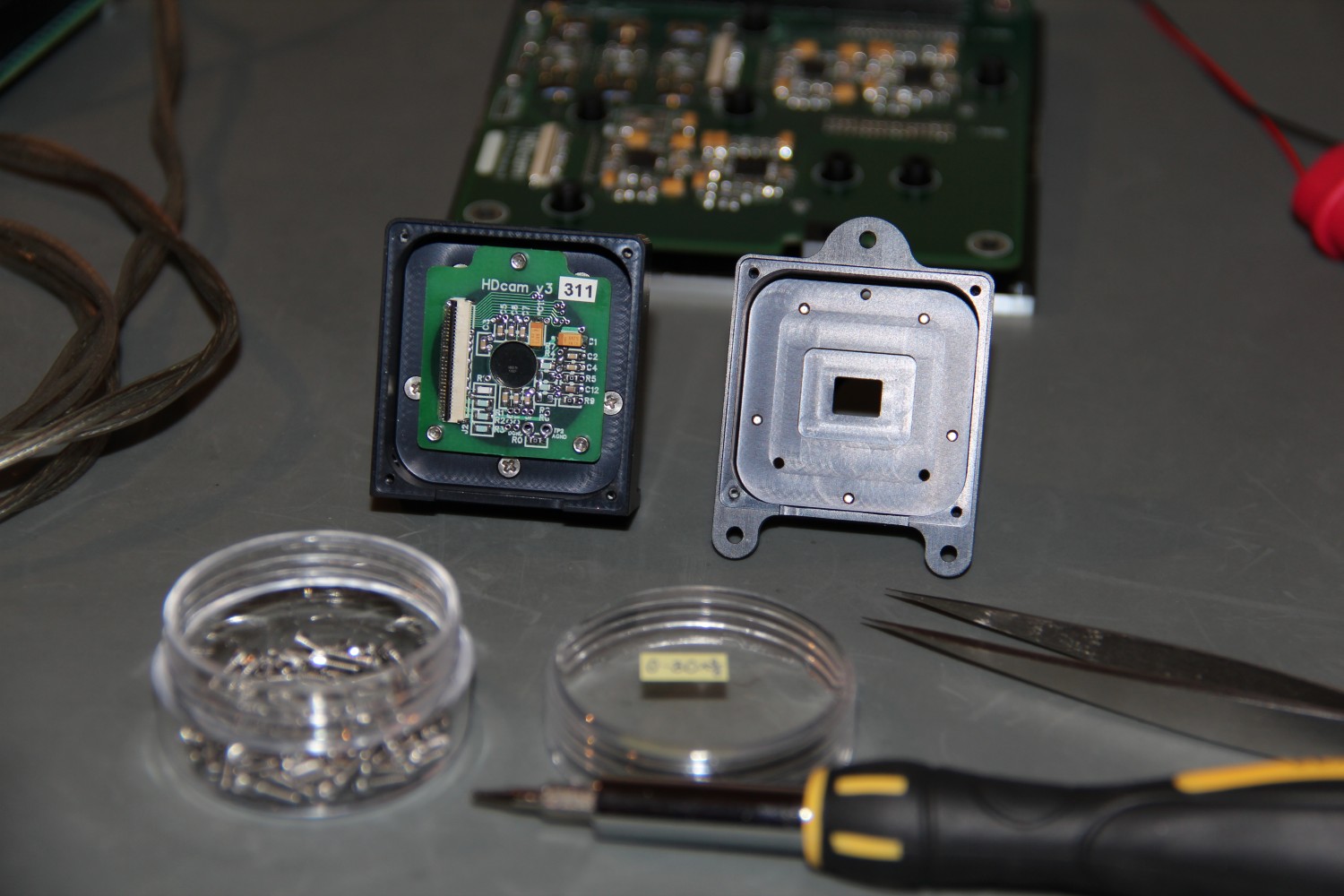
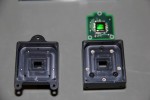 Rev 3 camera boxes
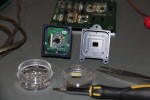 Rev 3 camera box assembly
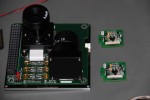 Rev 3 camera assembled
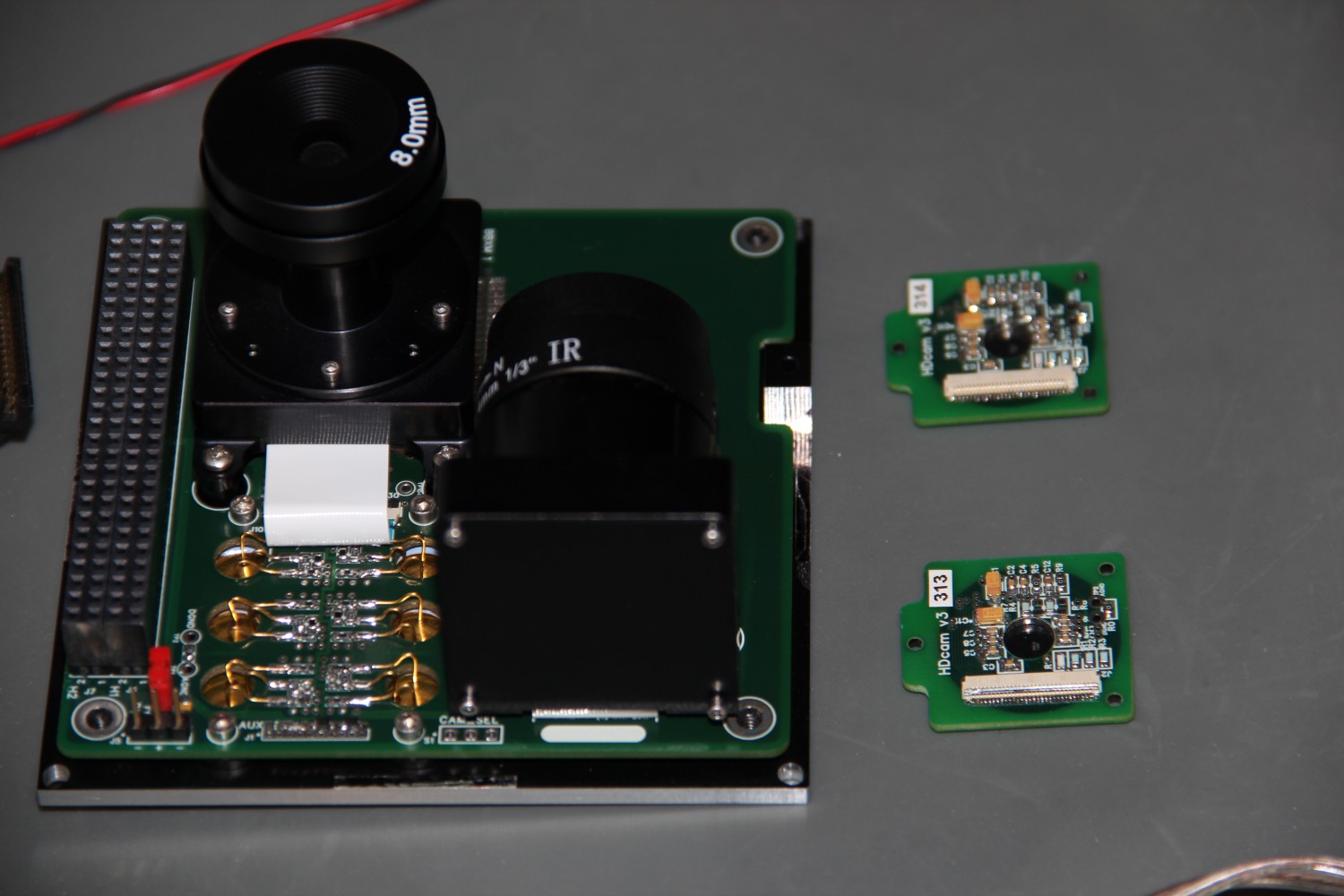
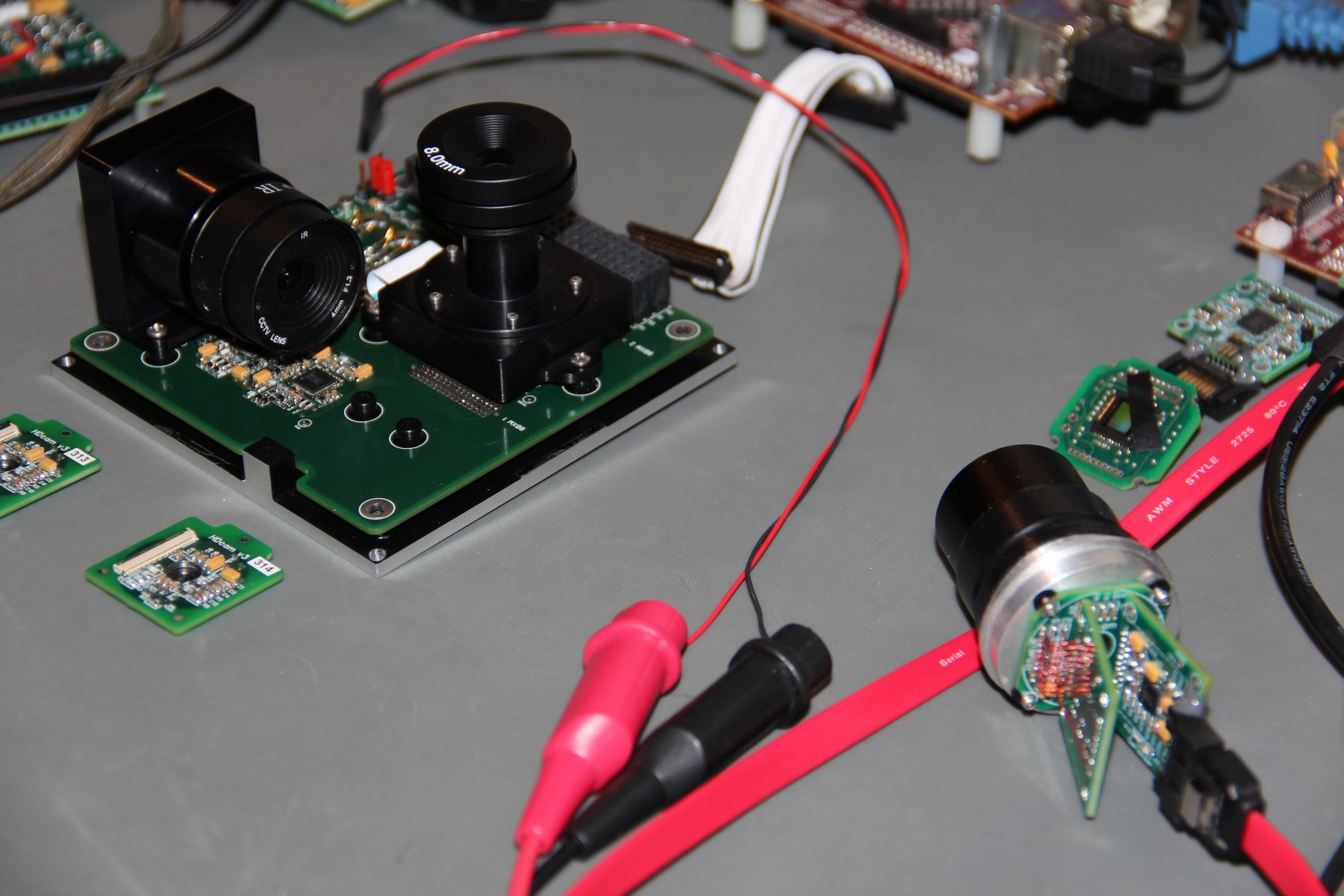
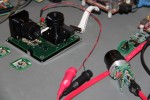 Rev 3 and Rev 2 cameras
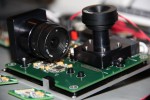 Rev 3 camera
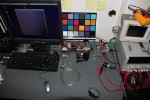 Rev 3 live video
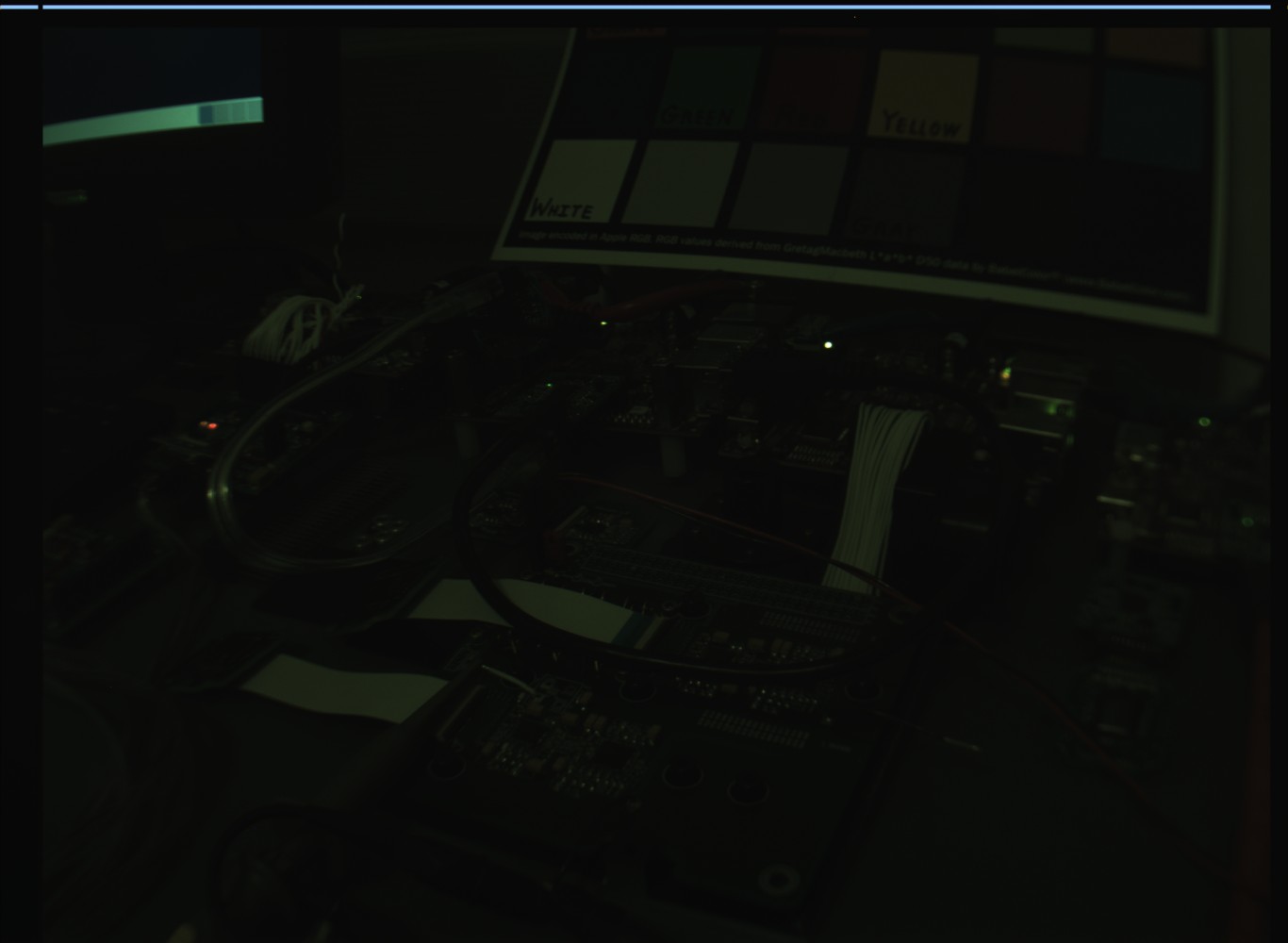
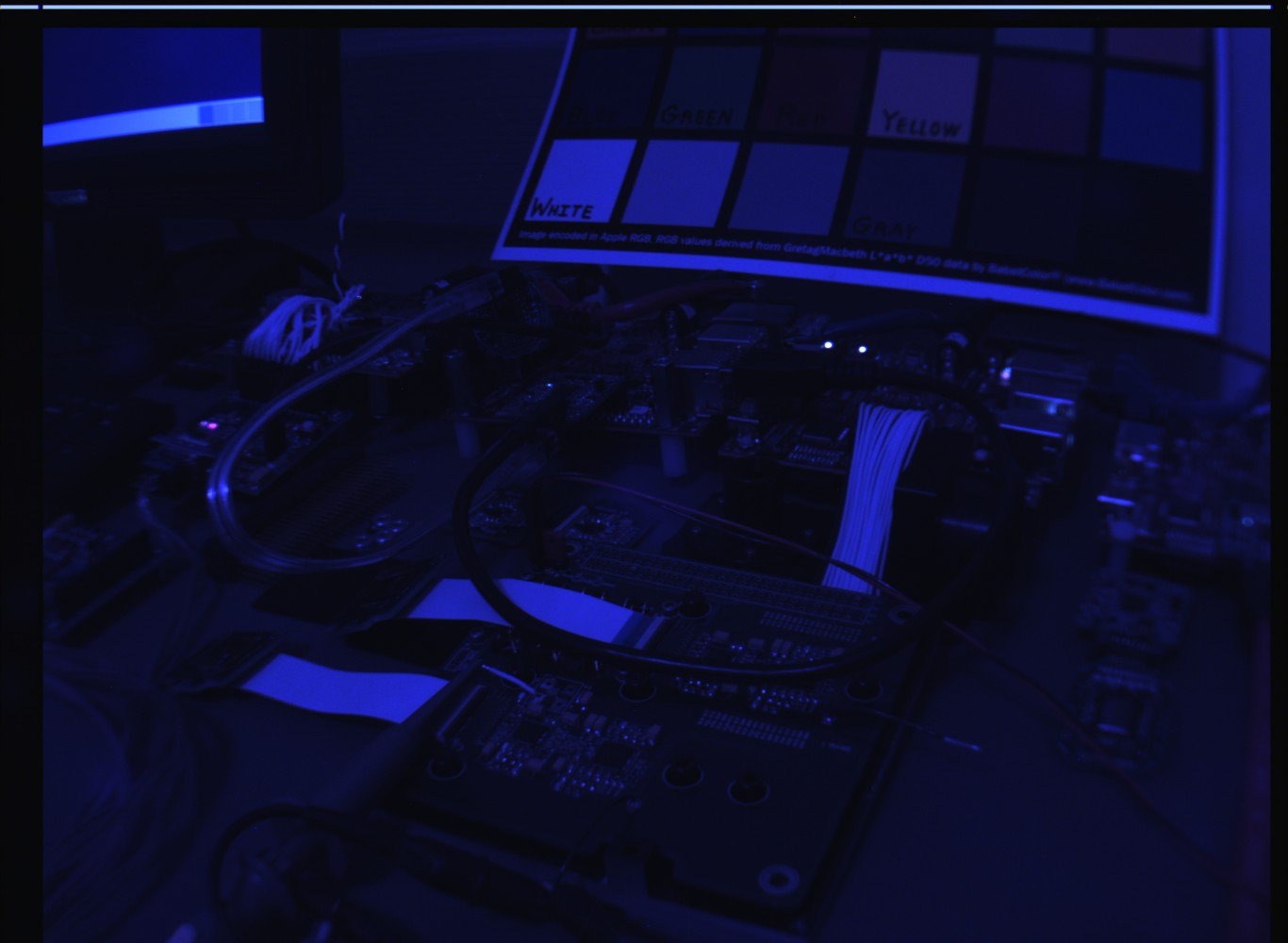
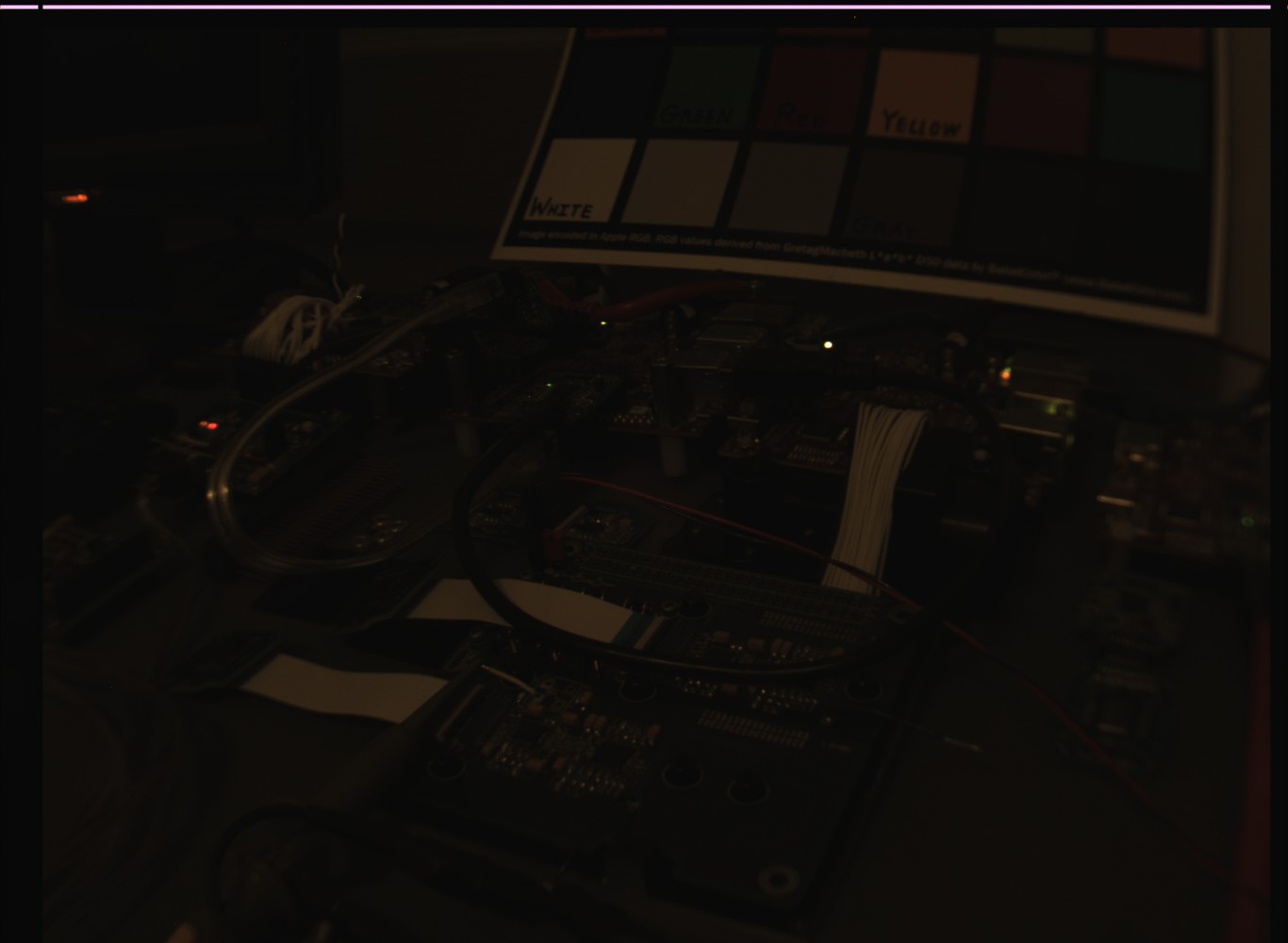
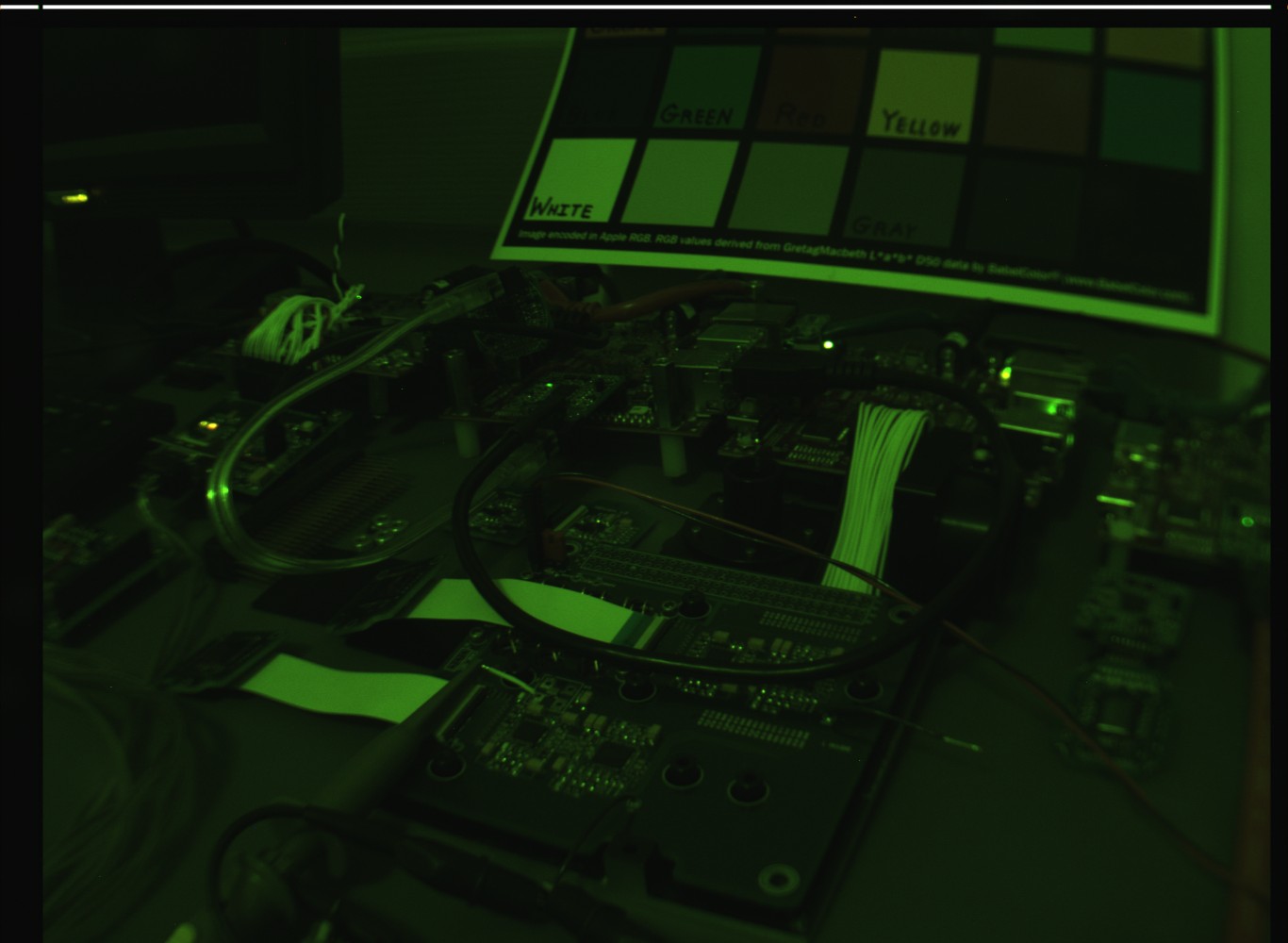
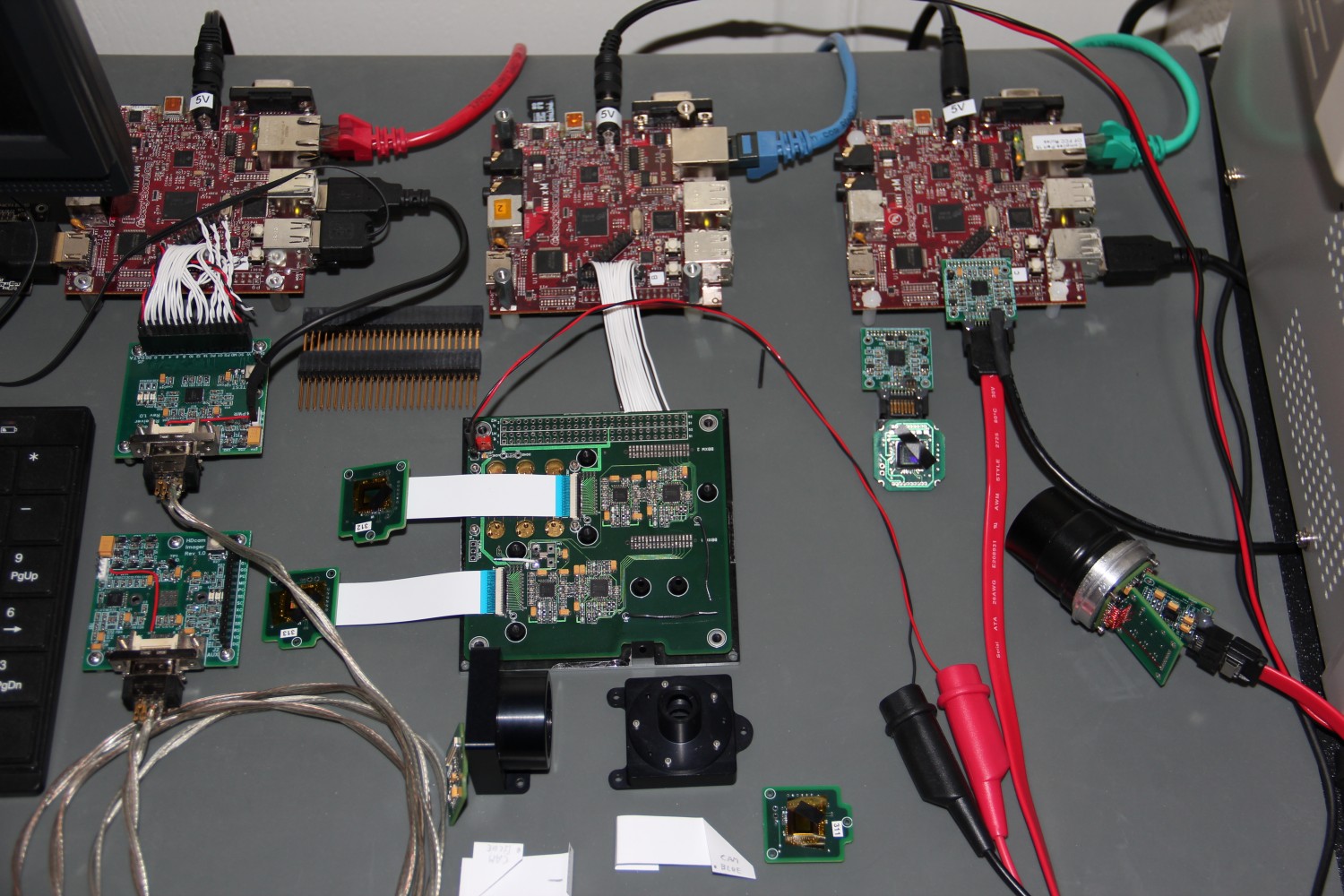
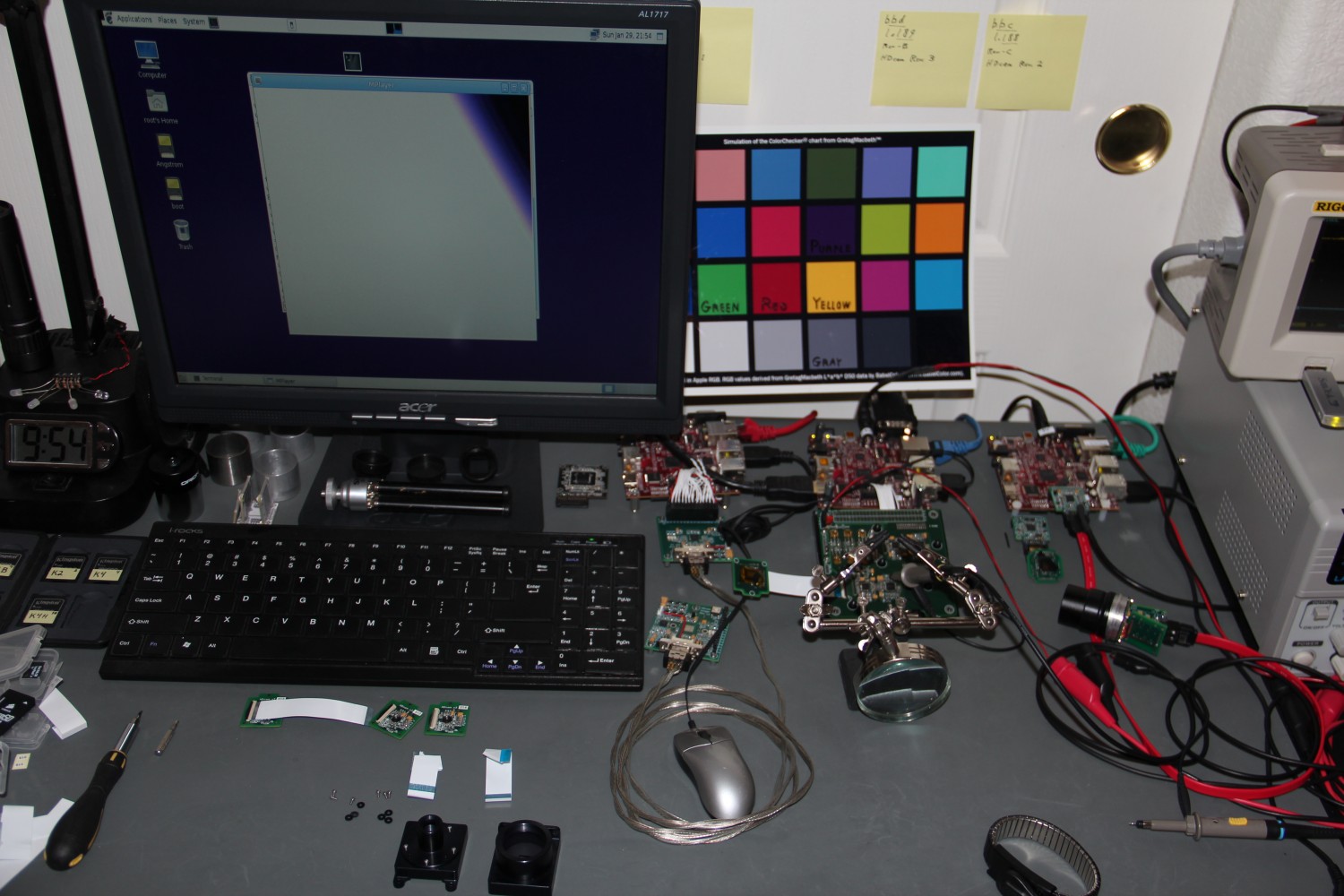
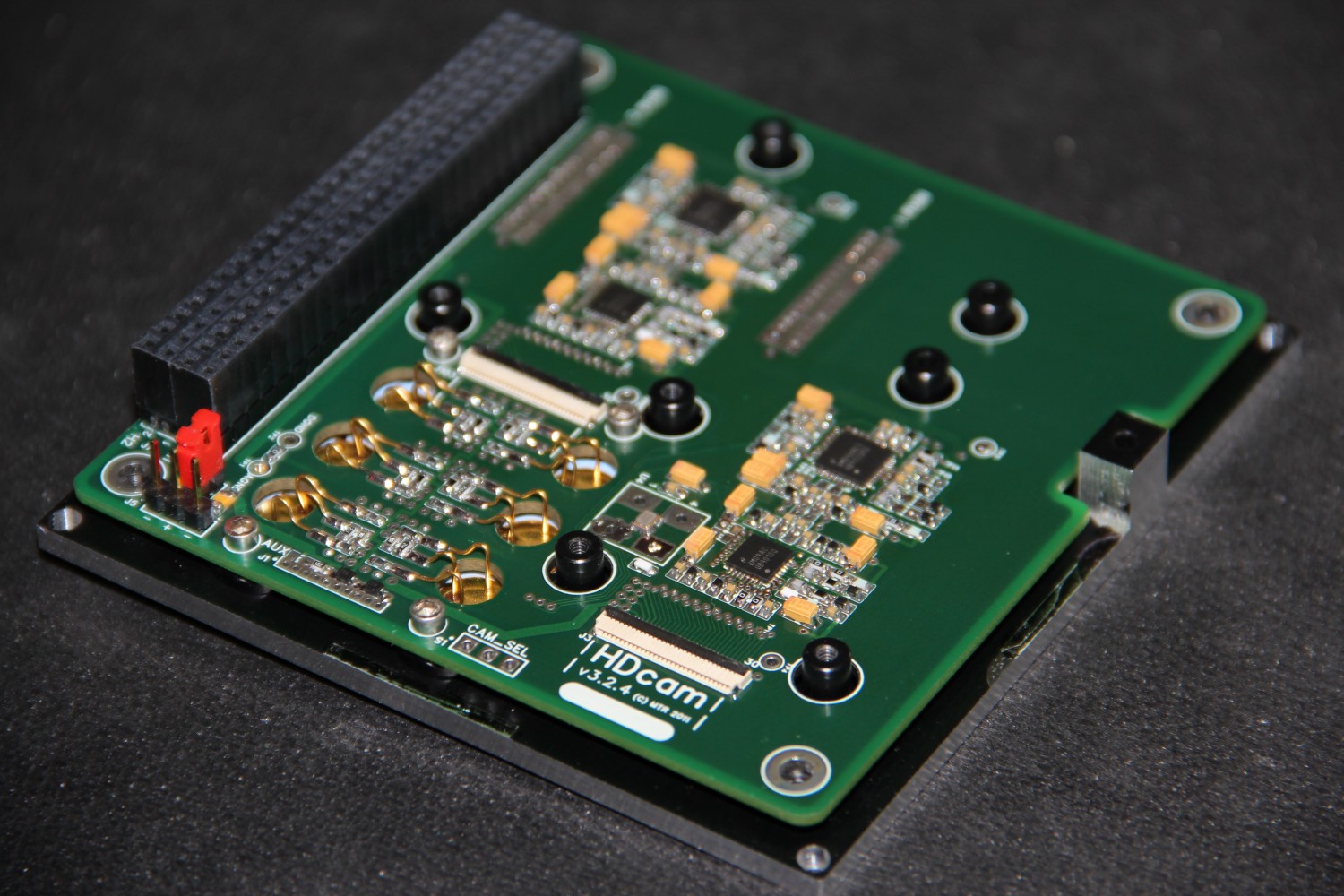
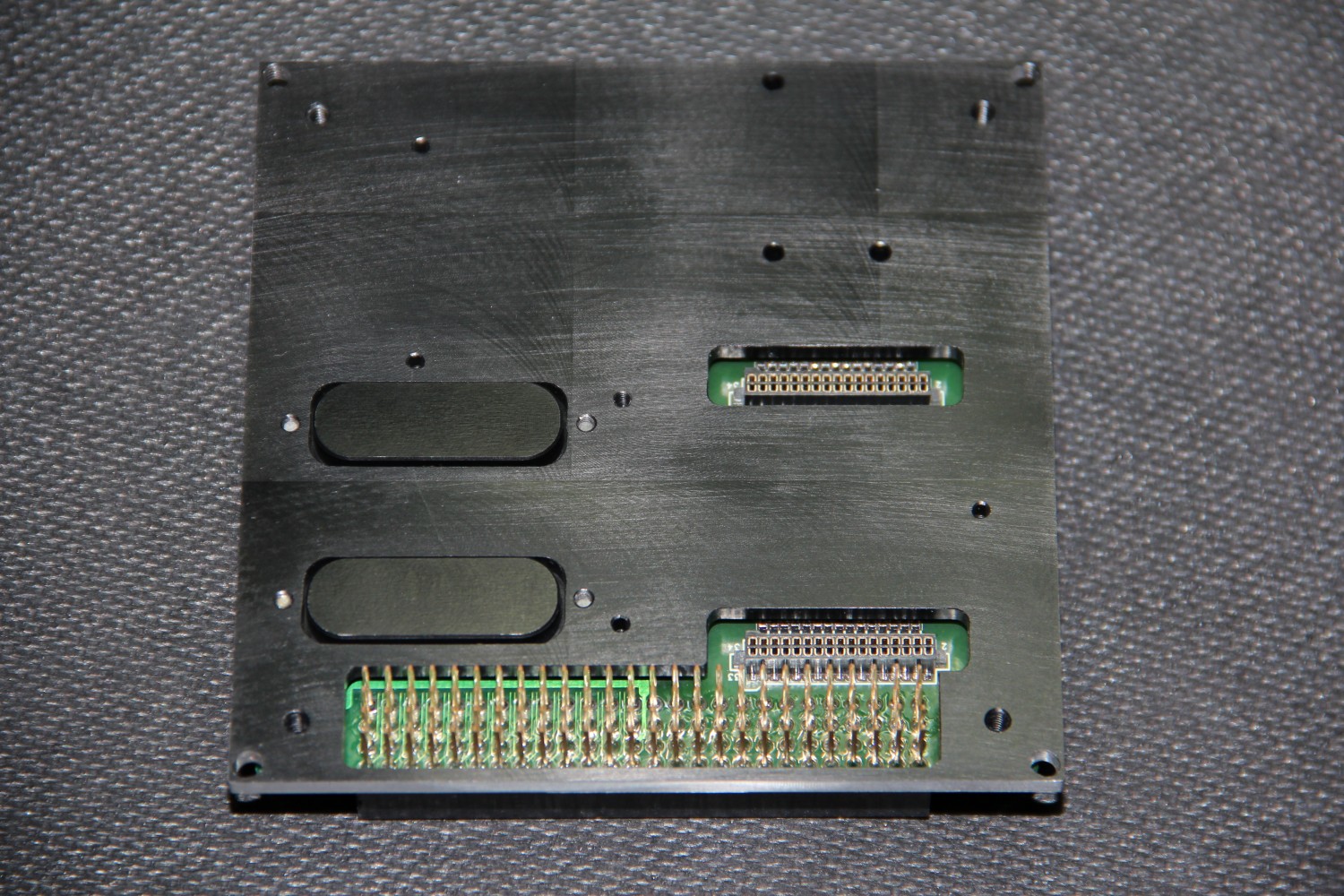
February 2012 - Demo / Final Delivery
On February 1, delivered Rev 3 to Chuck with both channels working; accepted.
On February 2, Terry over testing SatCam with new changes; packaging for SOC.
On February 3, afternoon SOC demo Video and RAW on Rev 2; took back Rev 3.
On February 6, a February 29 deadline was set for demo unit delivery.
 Rev 2 camera setup
 Picture of a video
 SOC bench with CubeSat
 SOC camera demo live video
 Rev 2 looking toward Prototype
- HDcam Rev 1
- HDcam Rev 2.0
- HDcam Rev 2.1
- HDcam Rev 3
Page updated: February 10, 2012